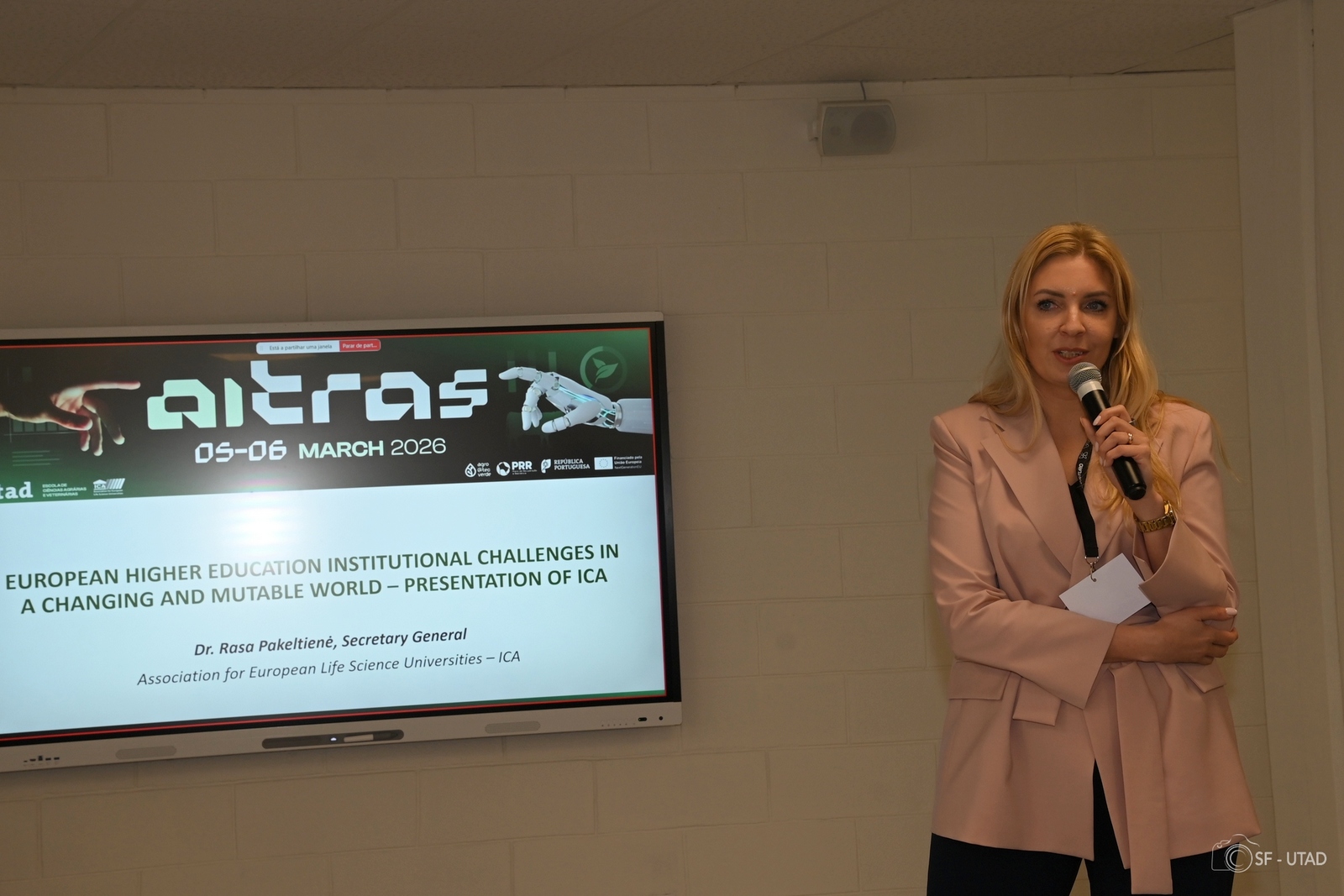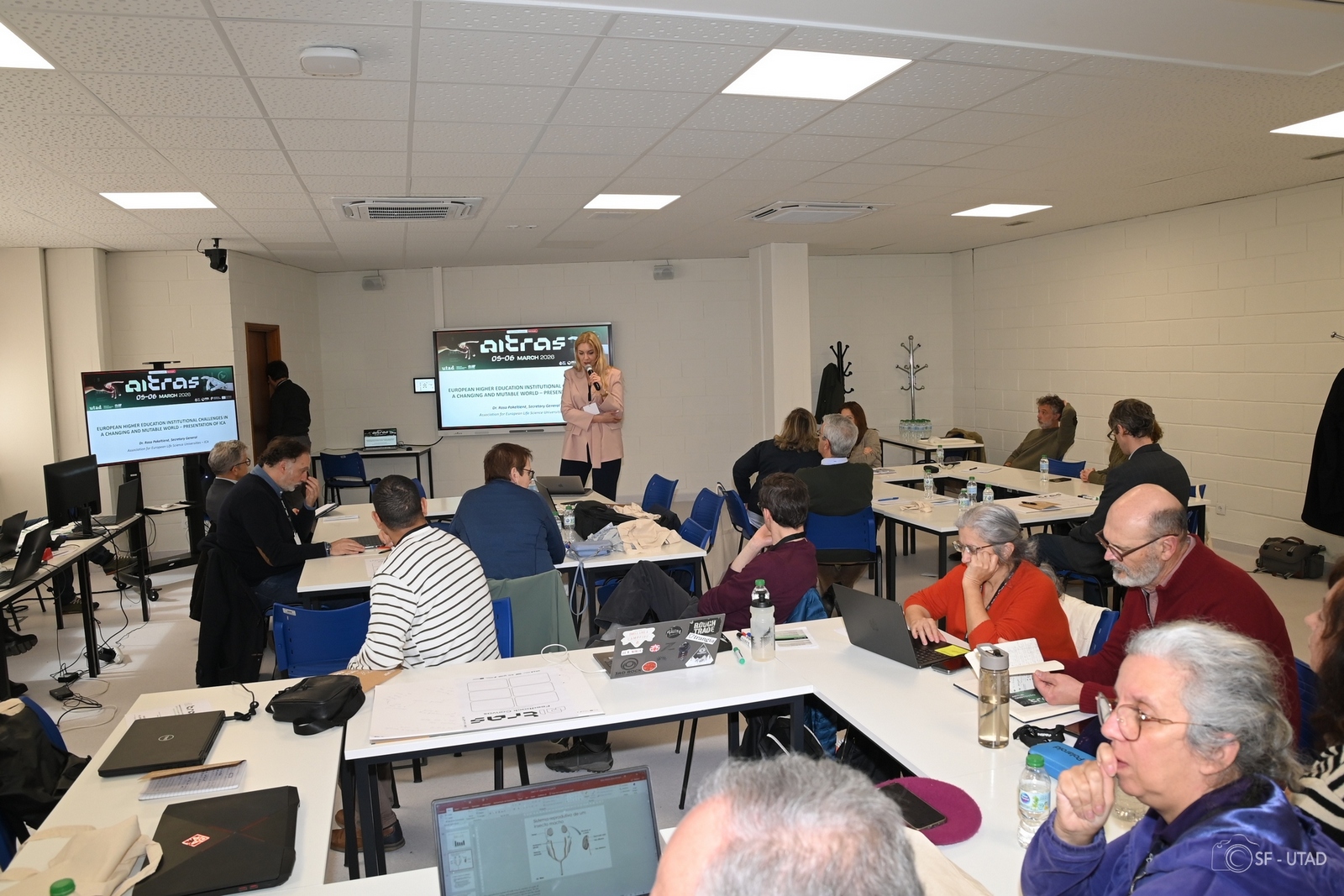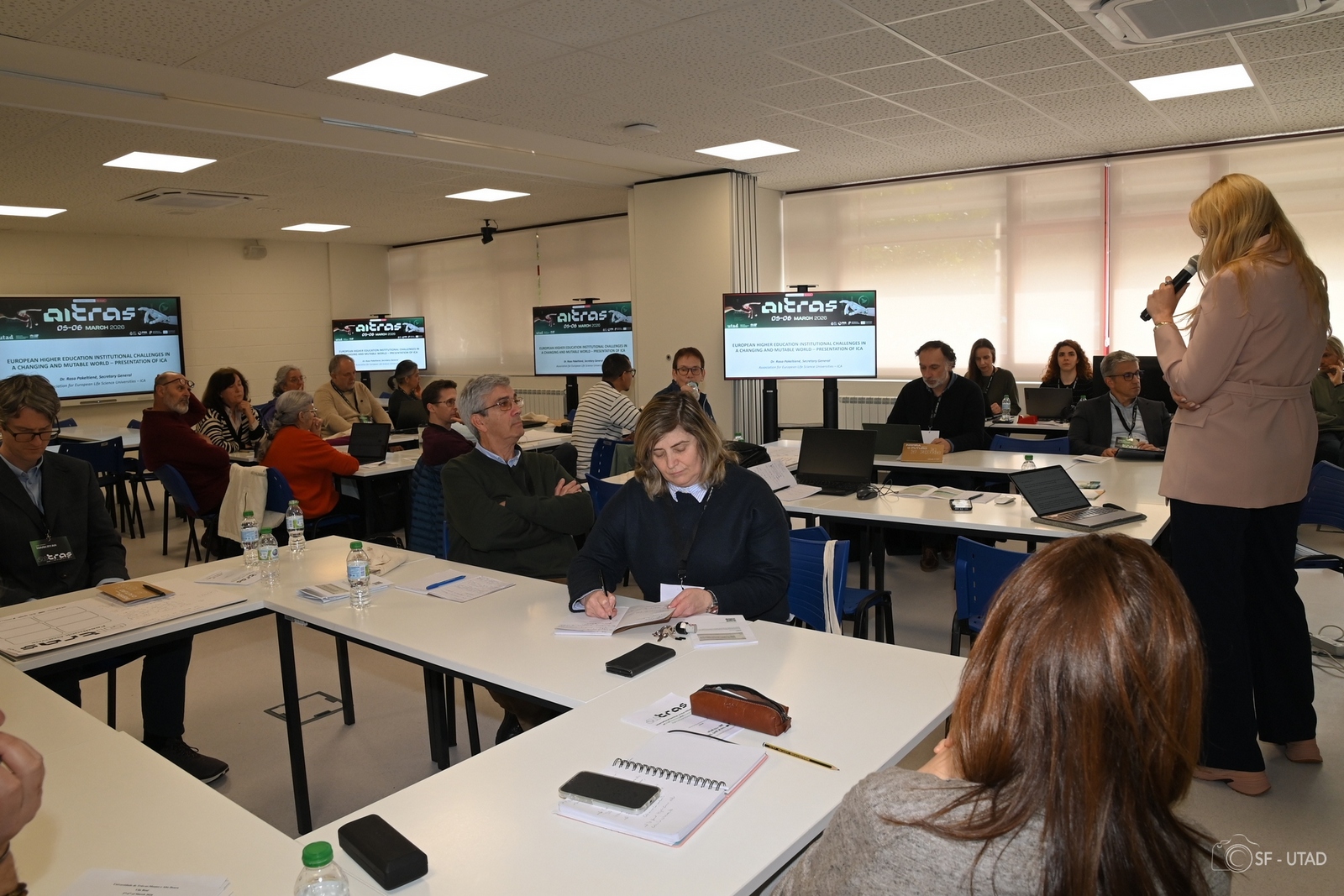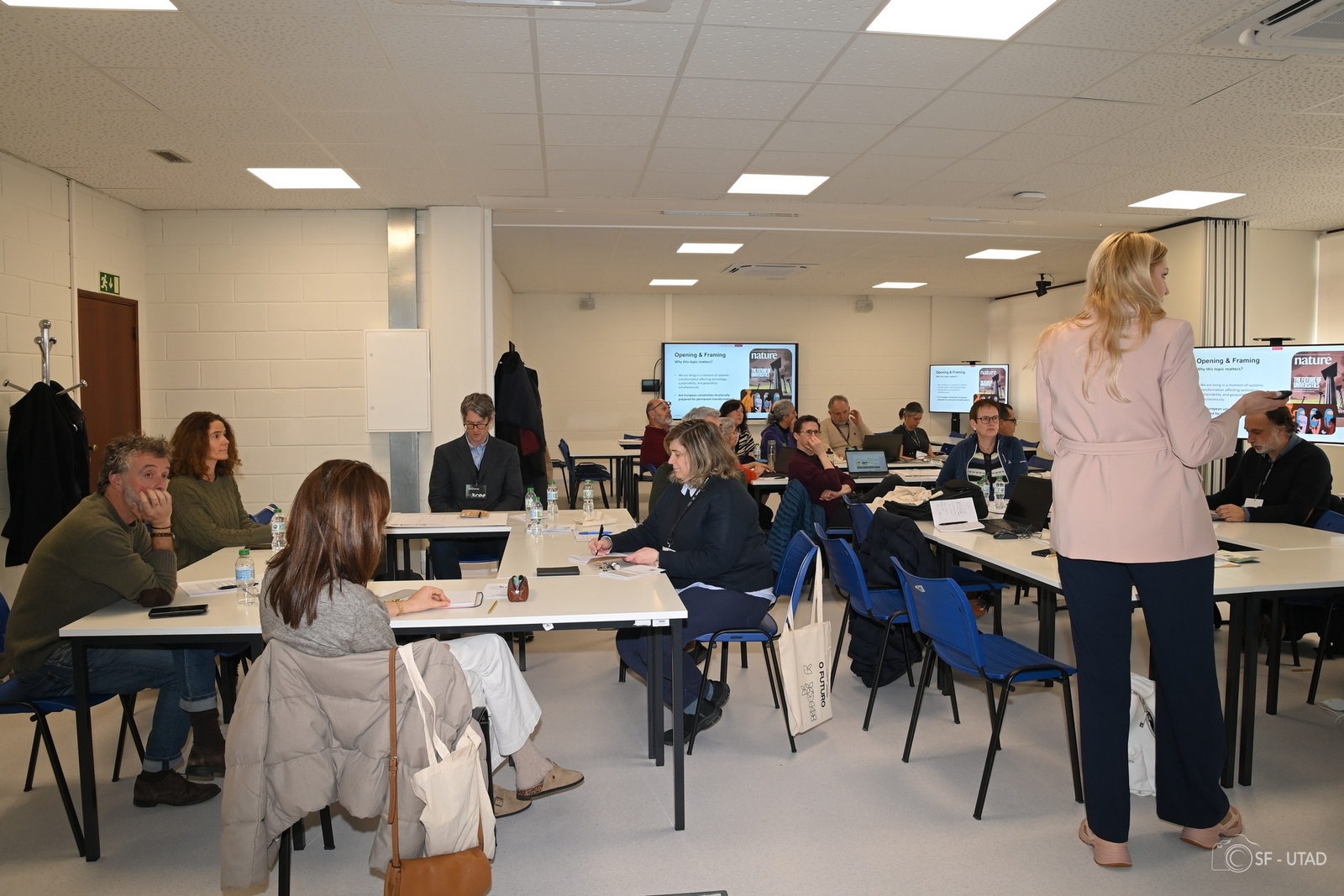
Seminar Overview
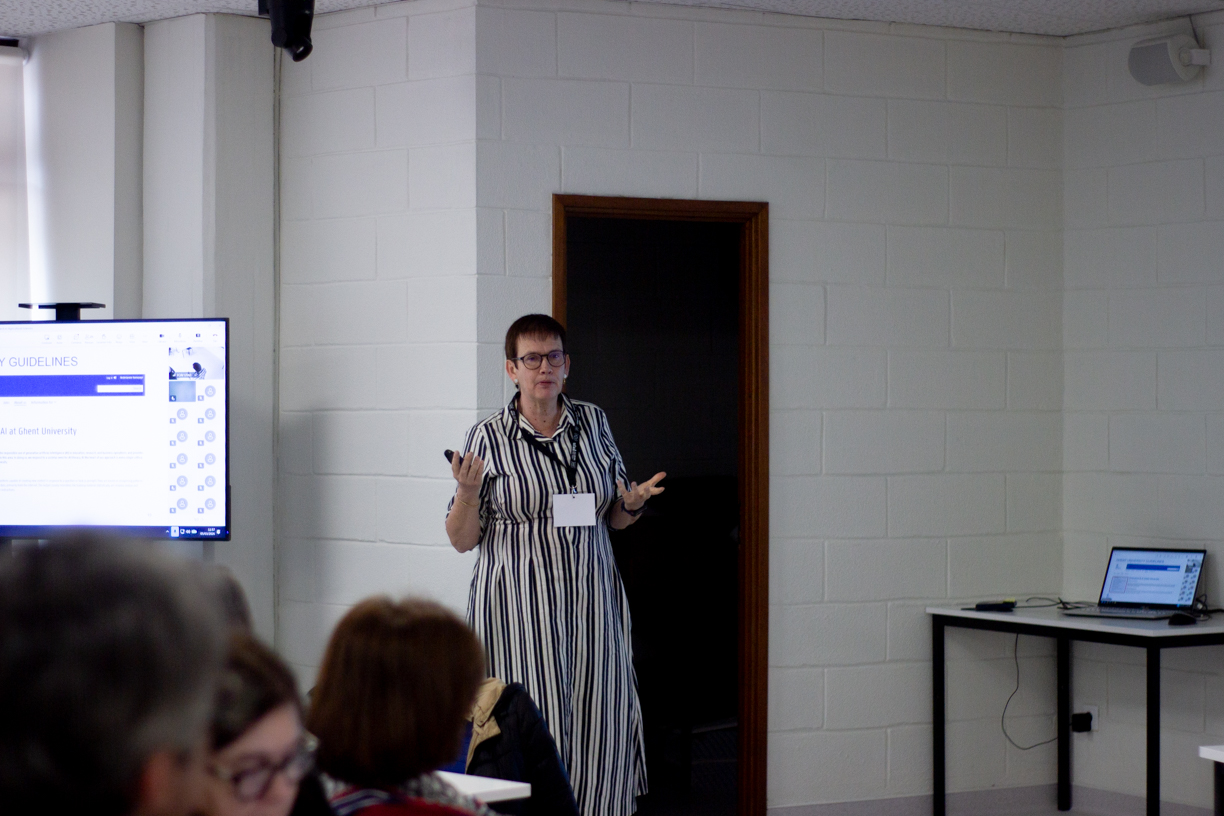
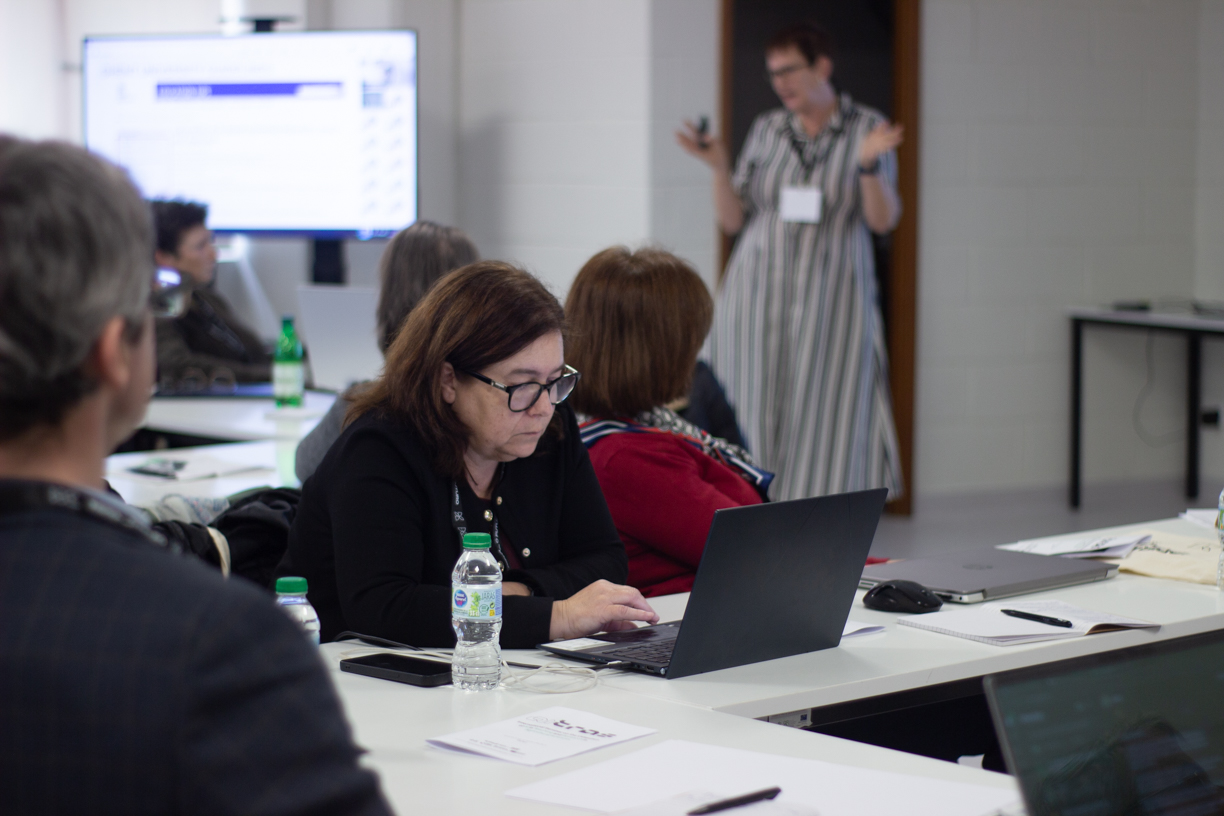
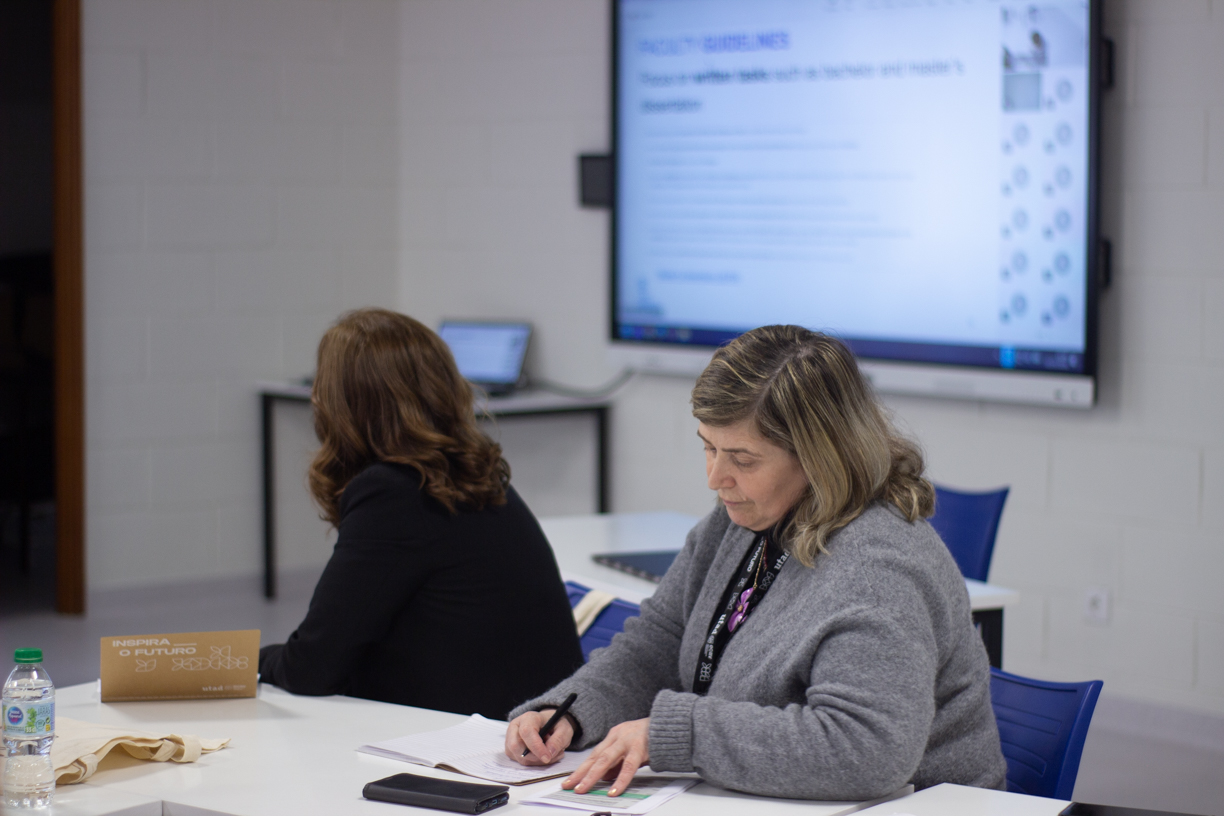
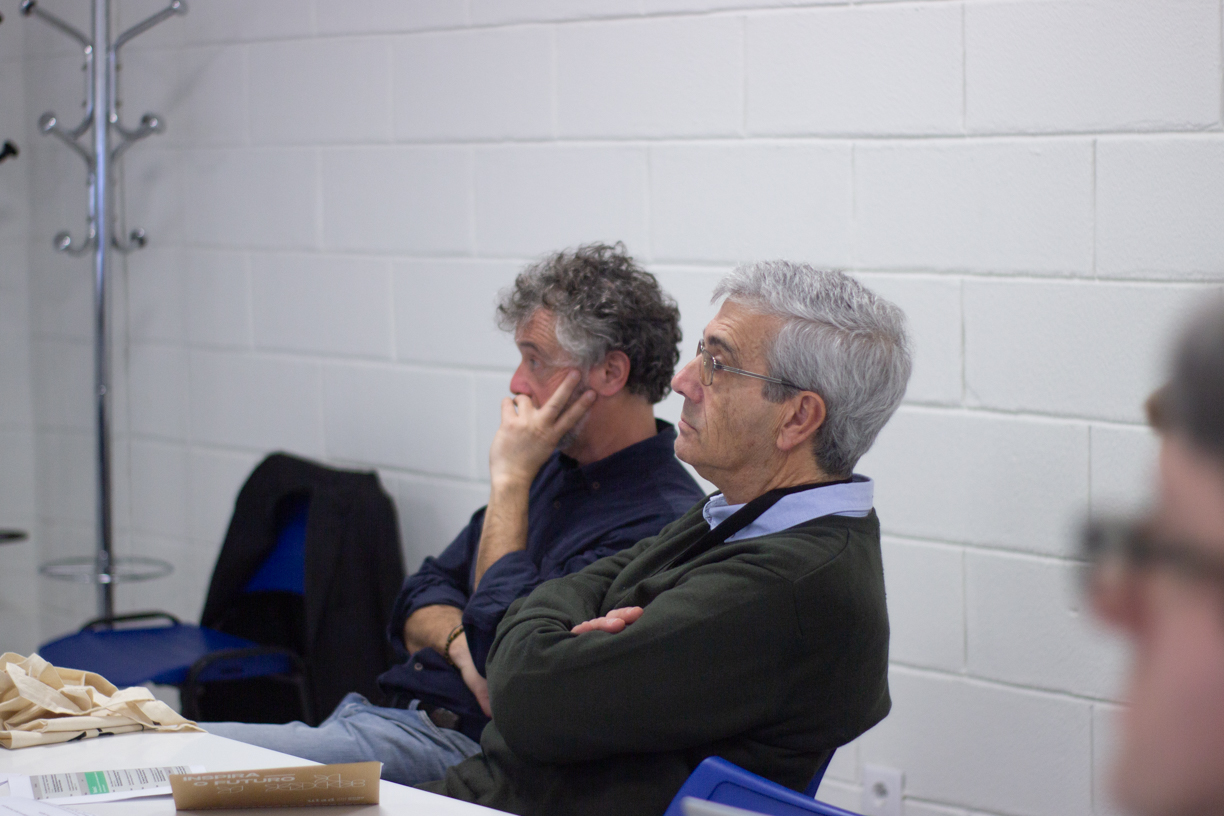
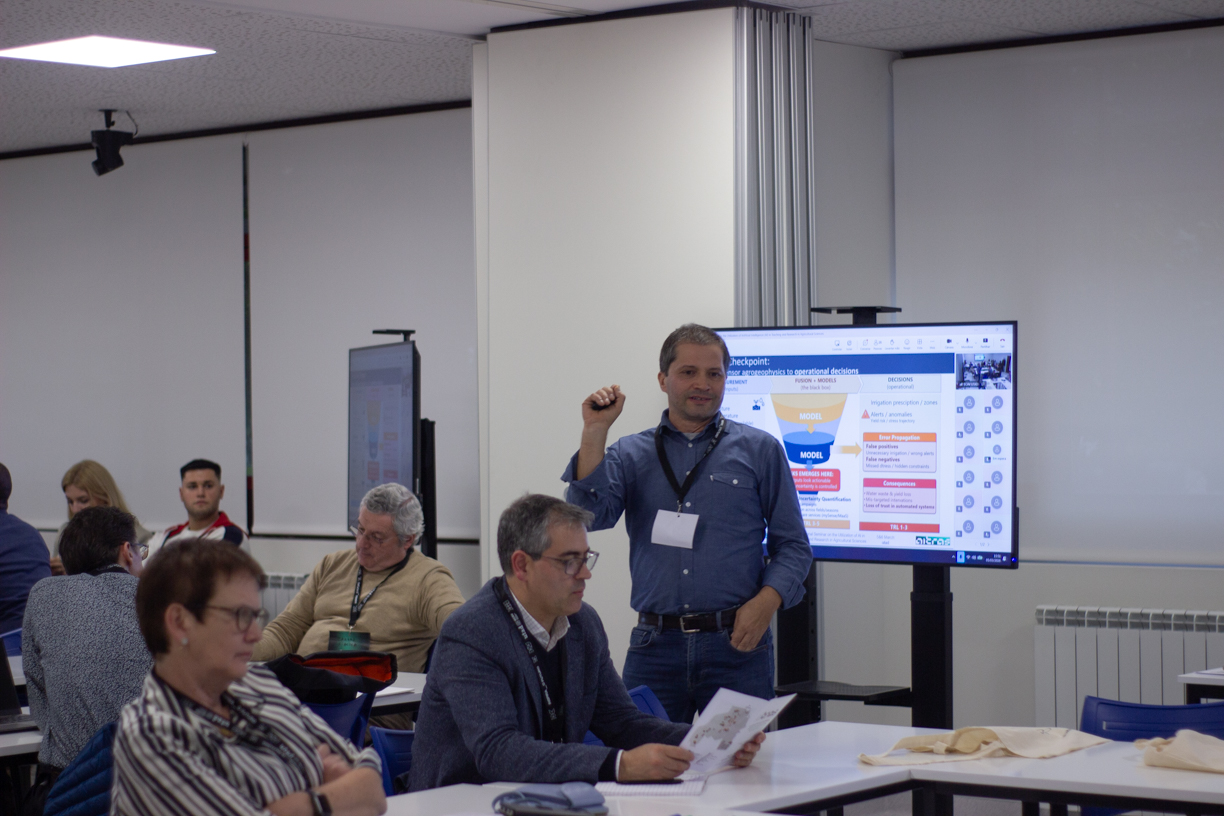
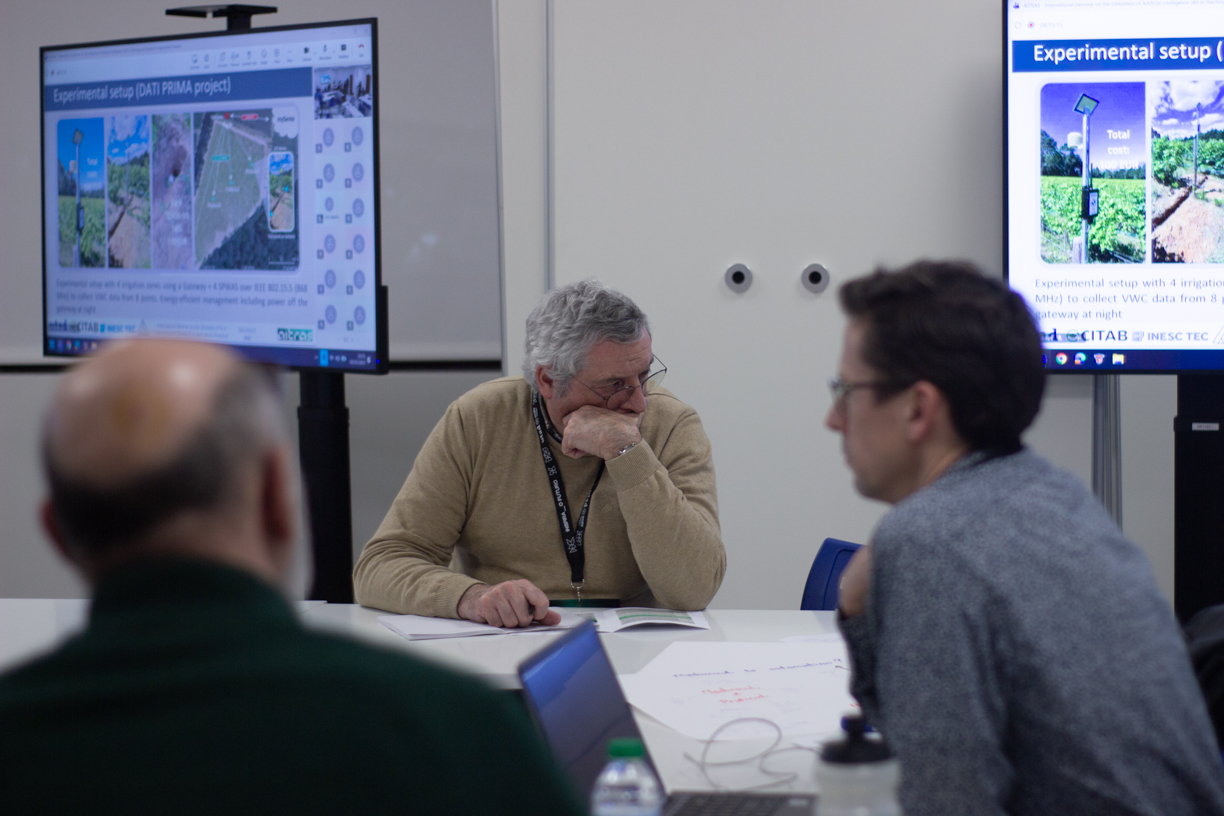
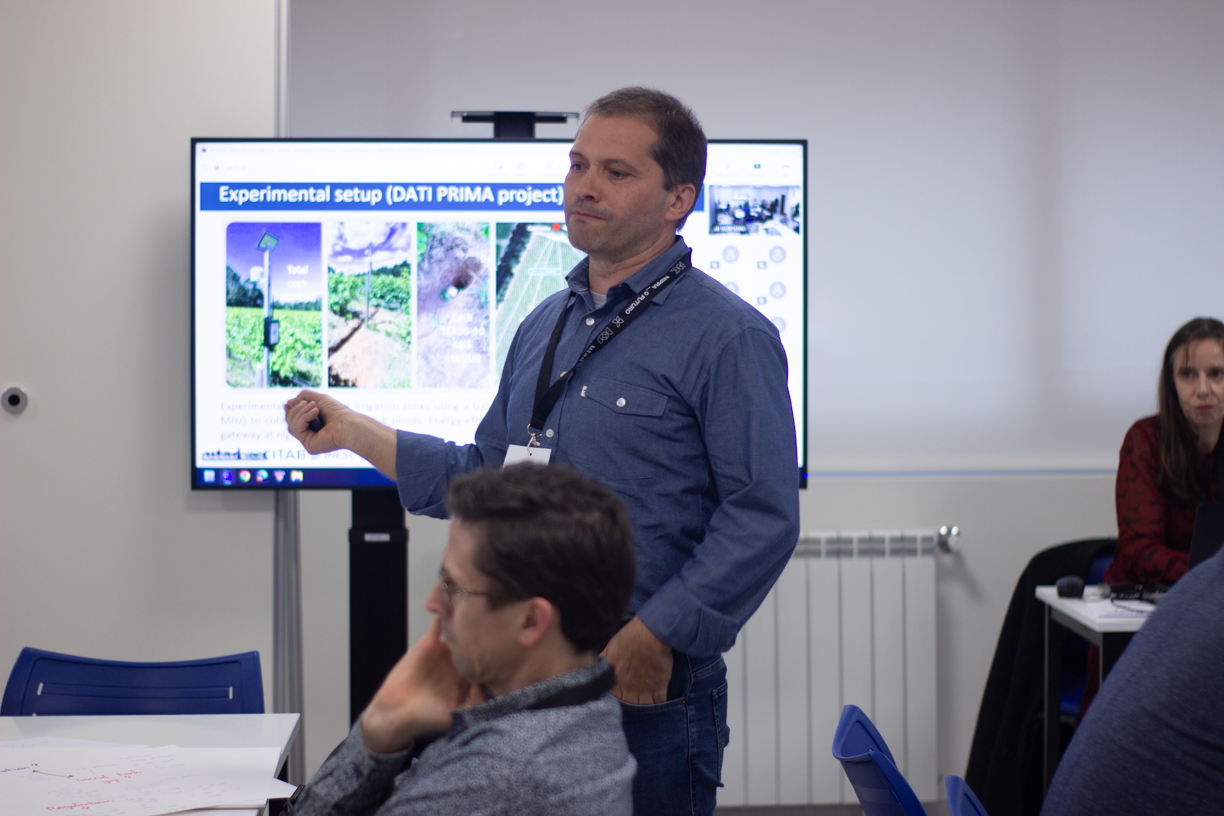
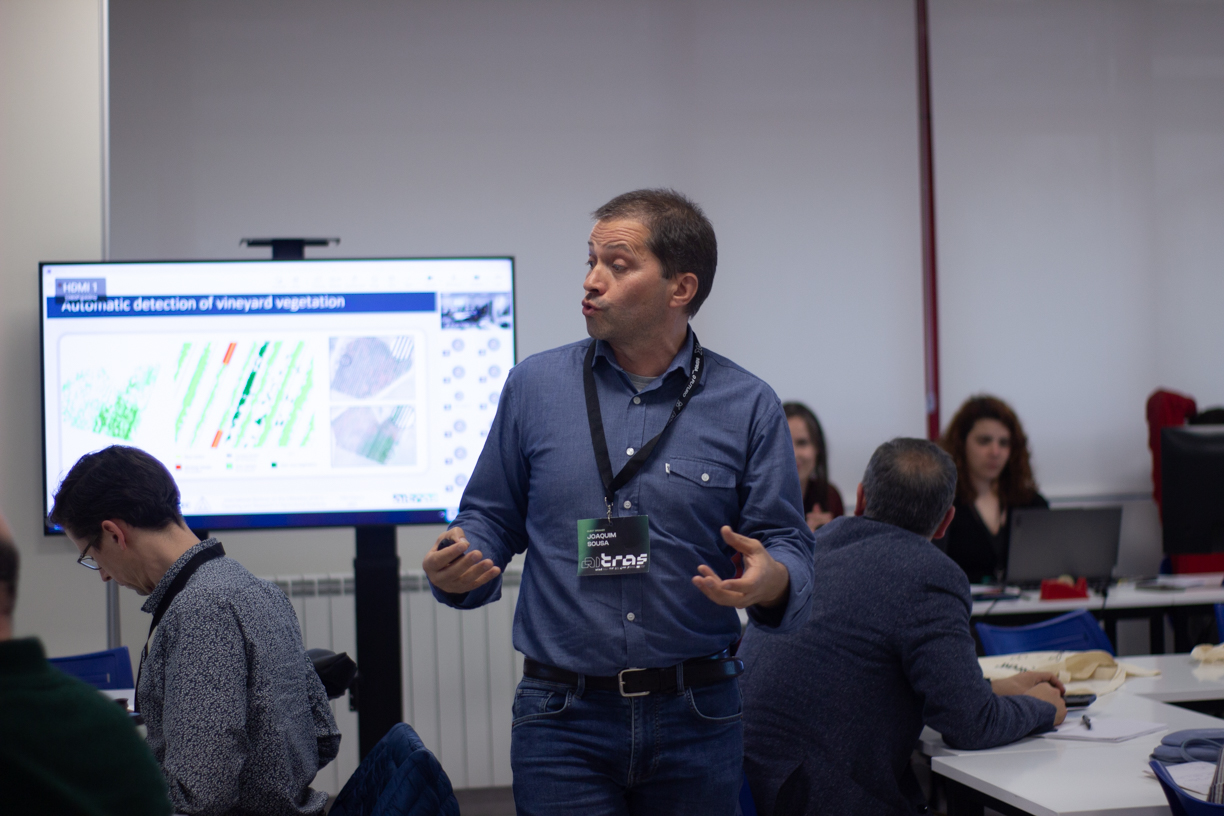
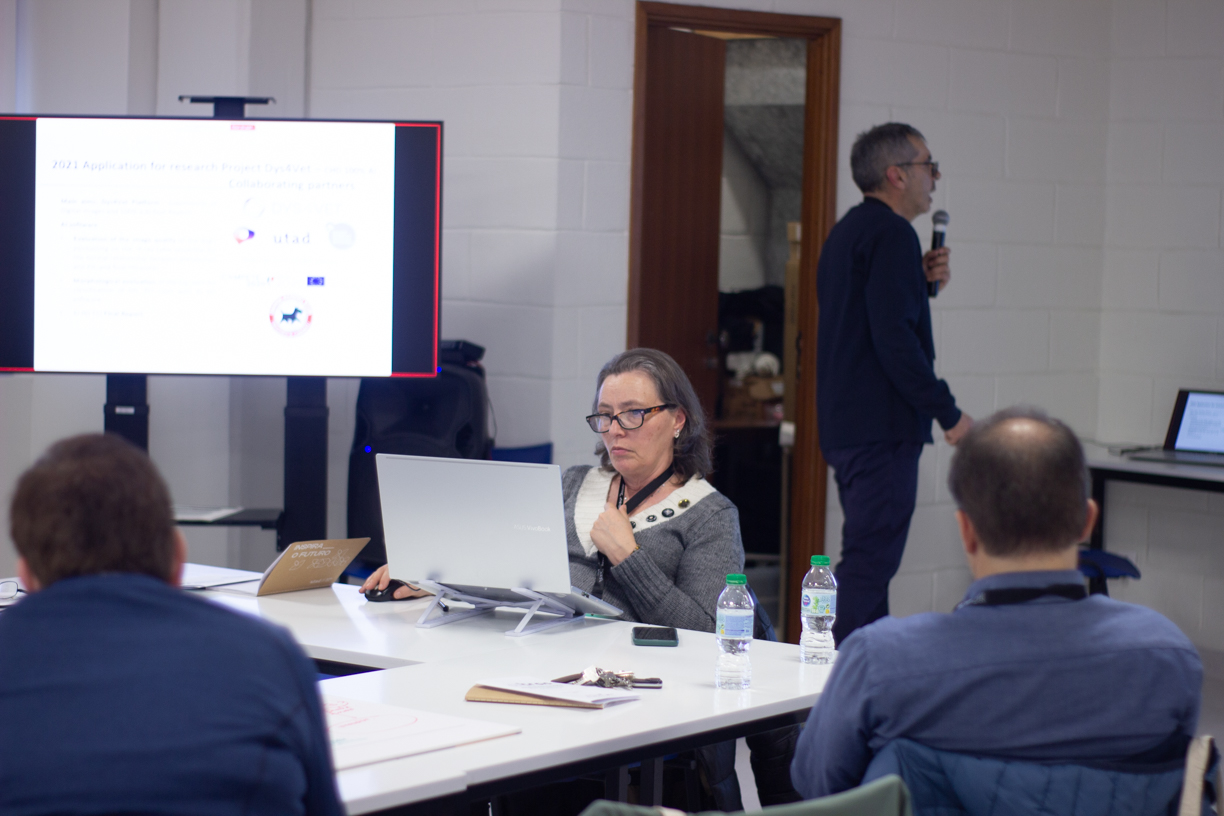
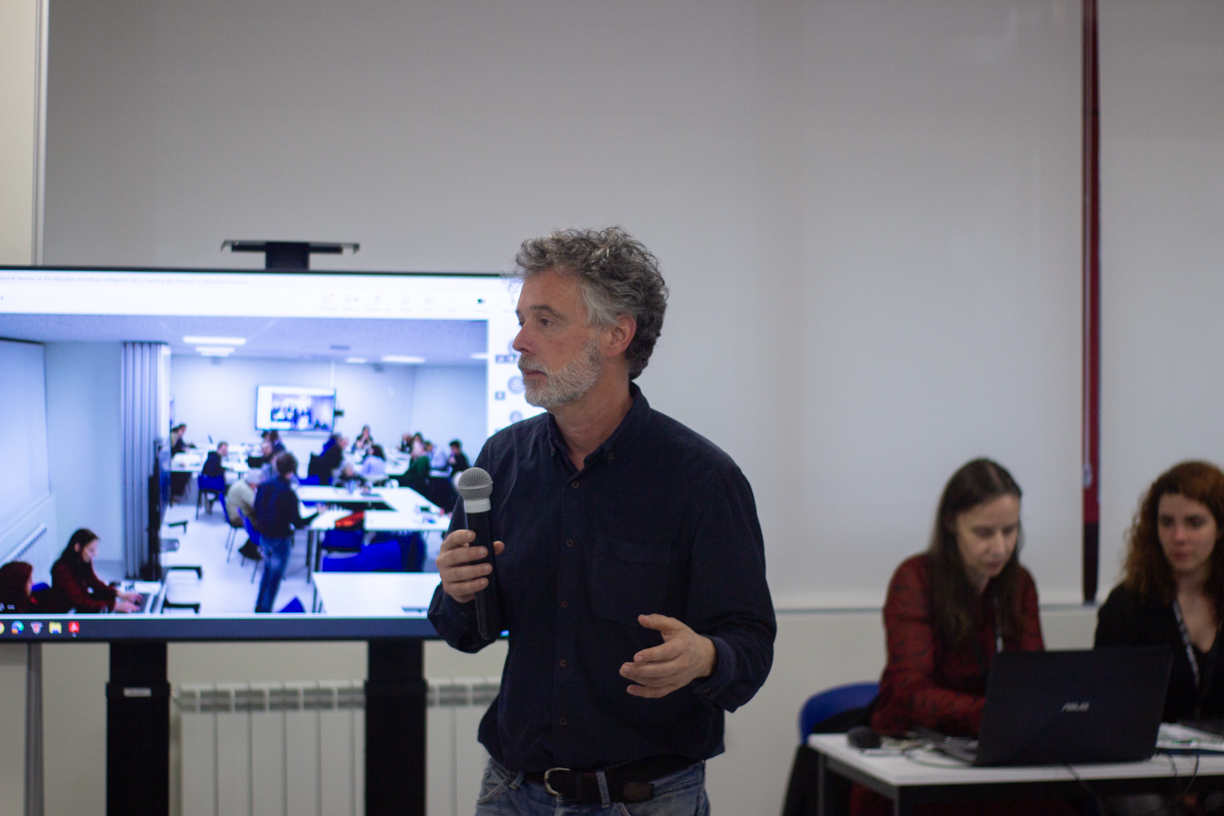
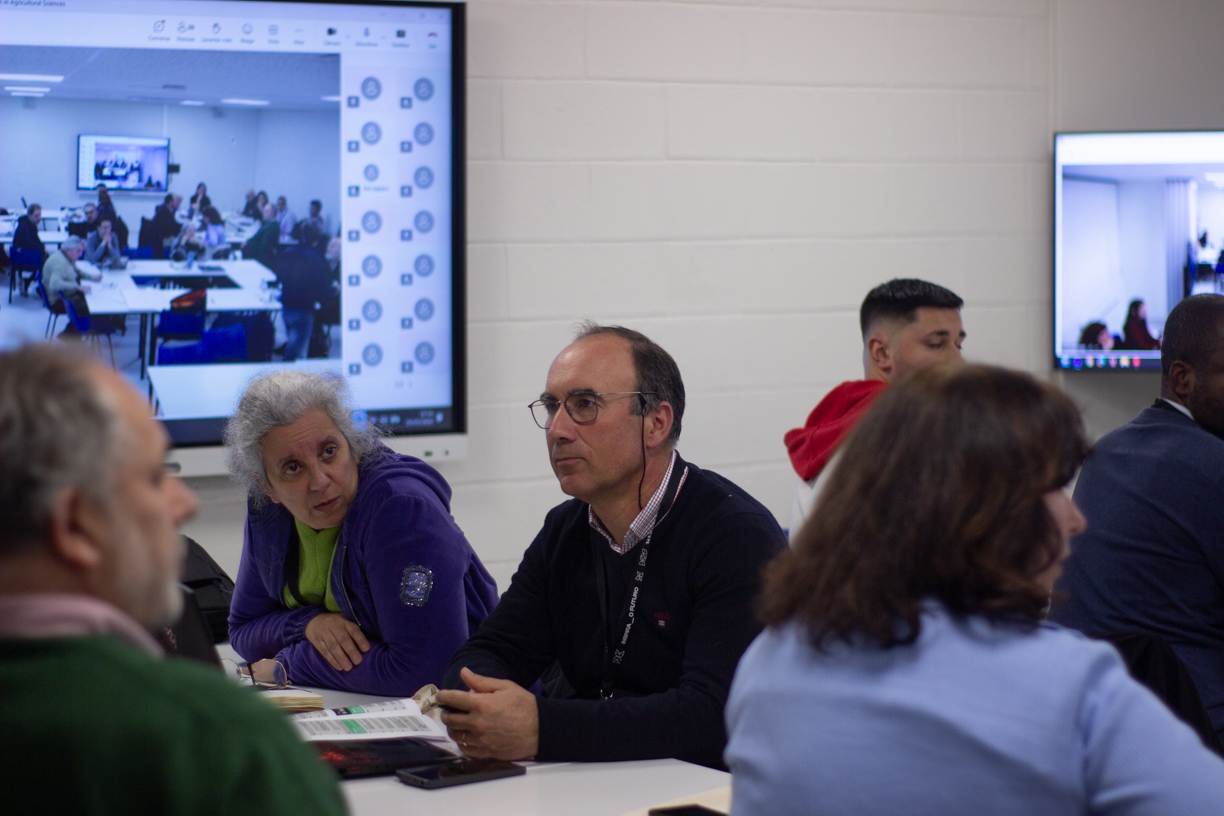
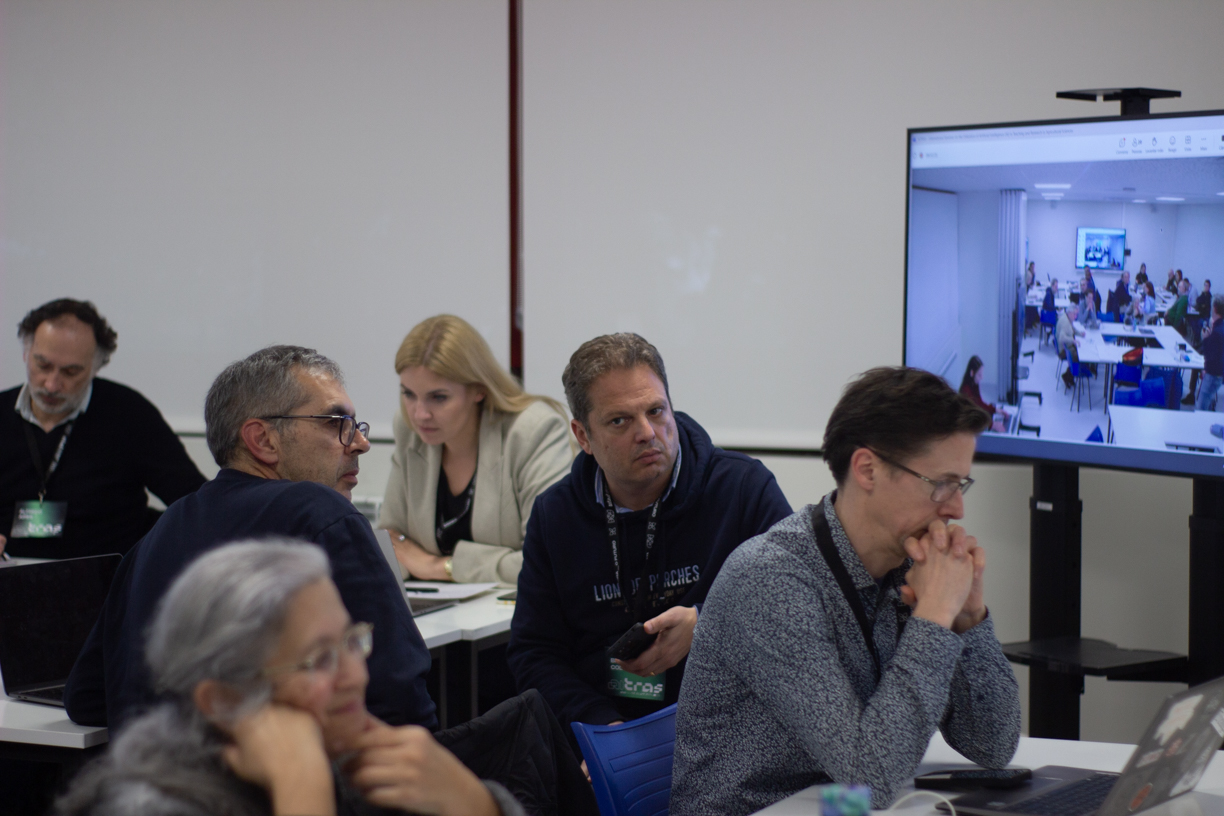
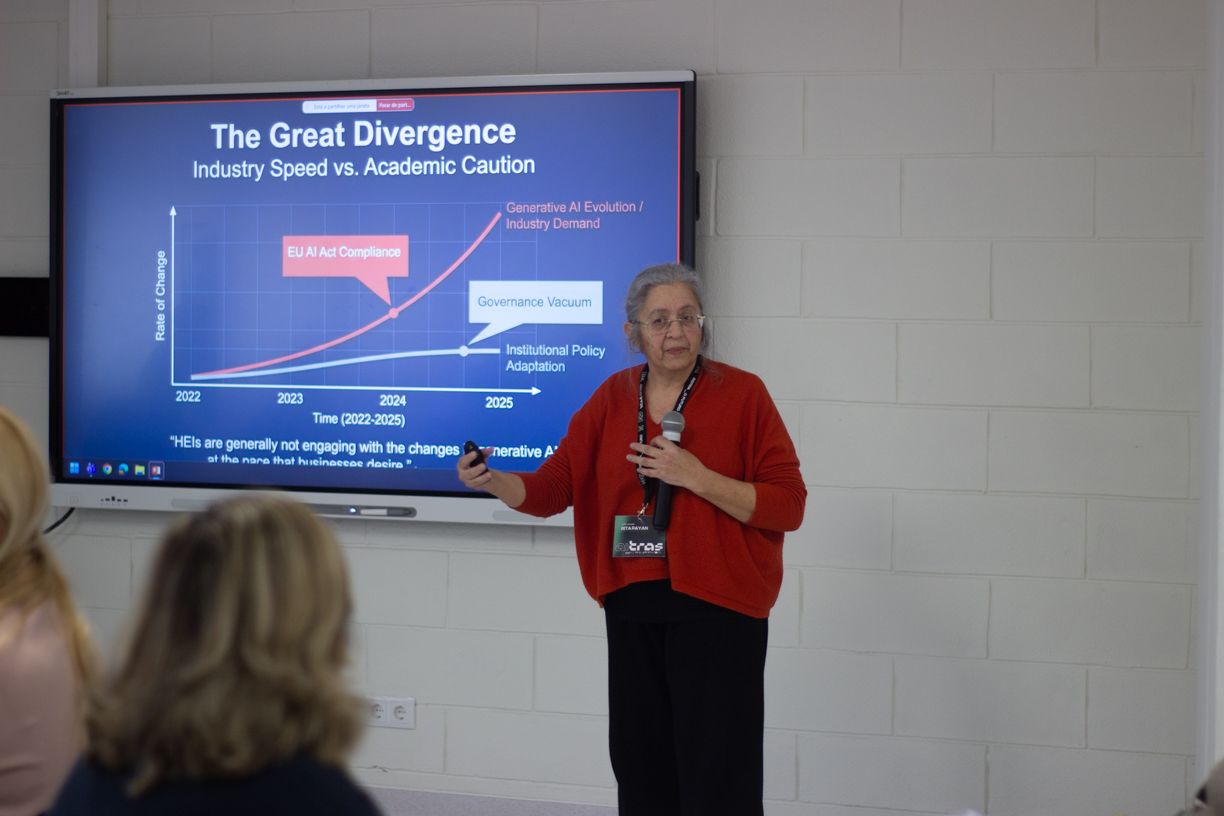
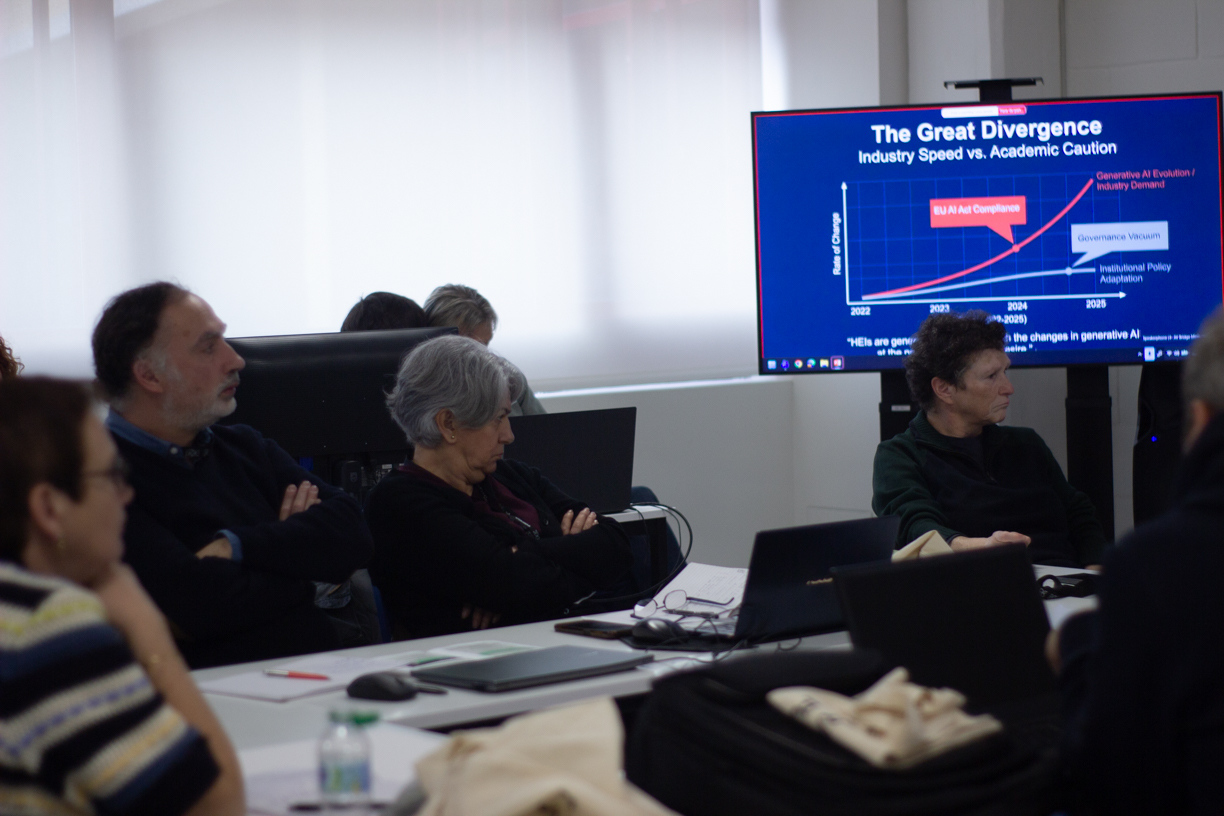
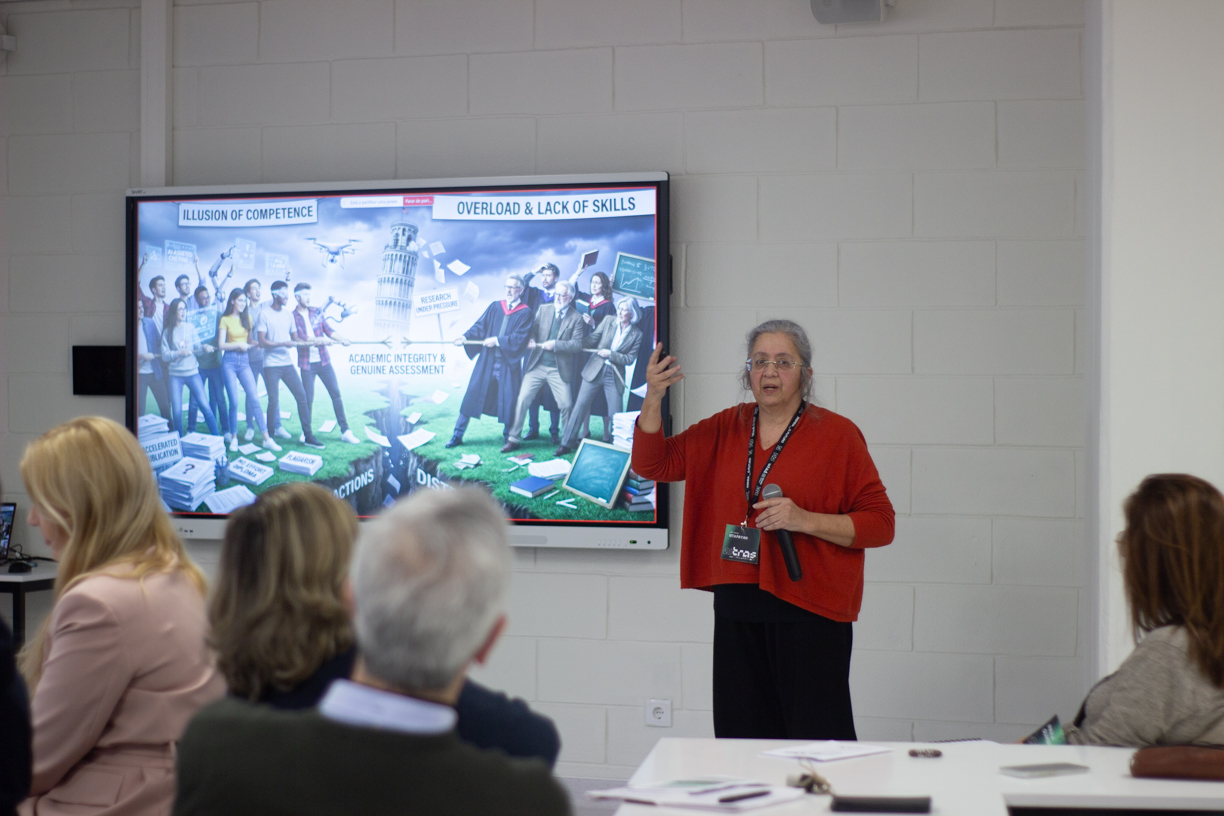
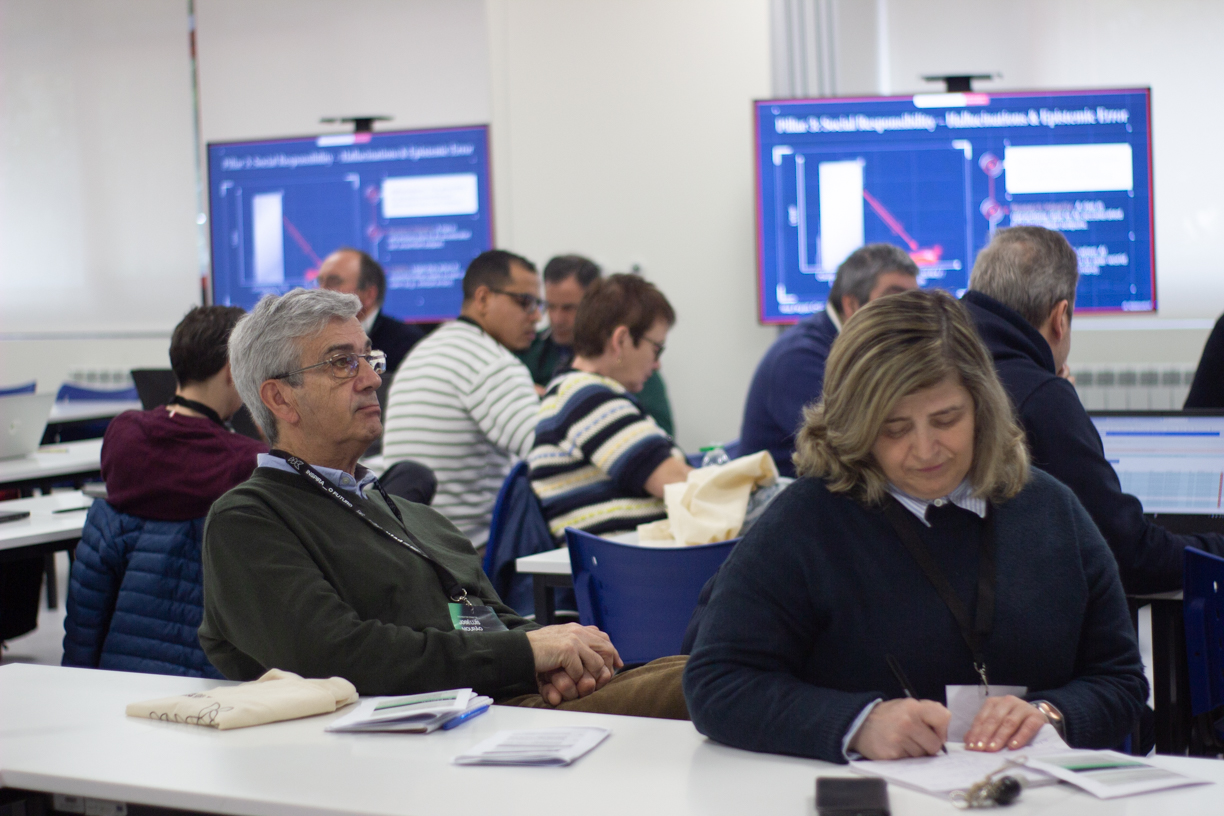
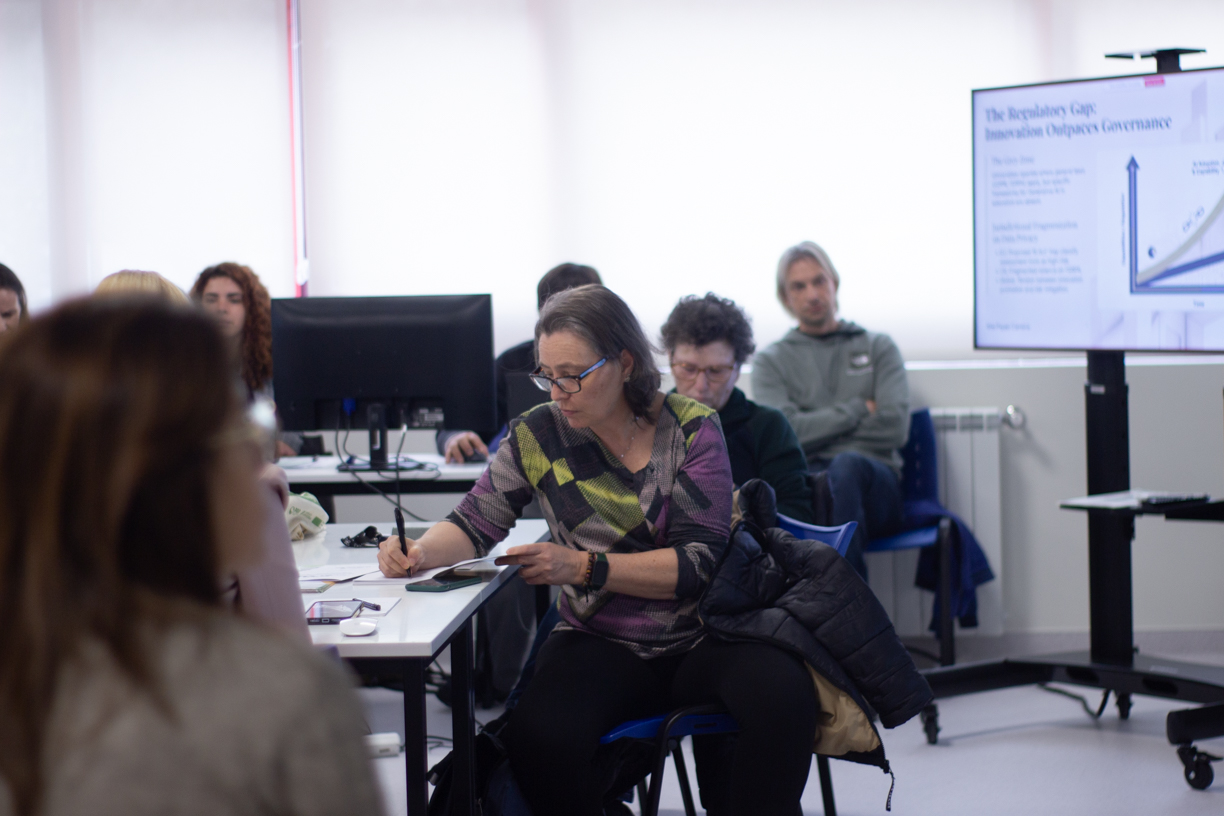
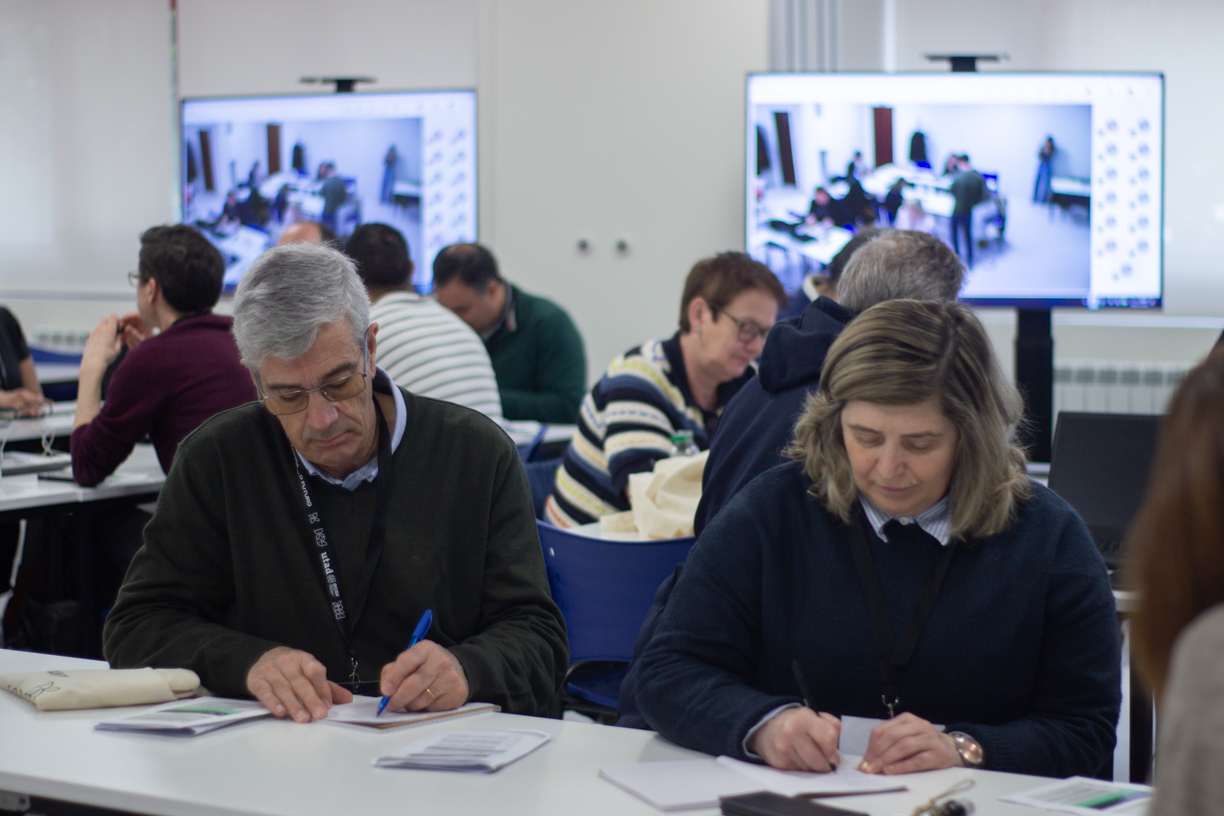
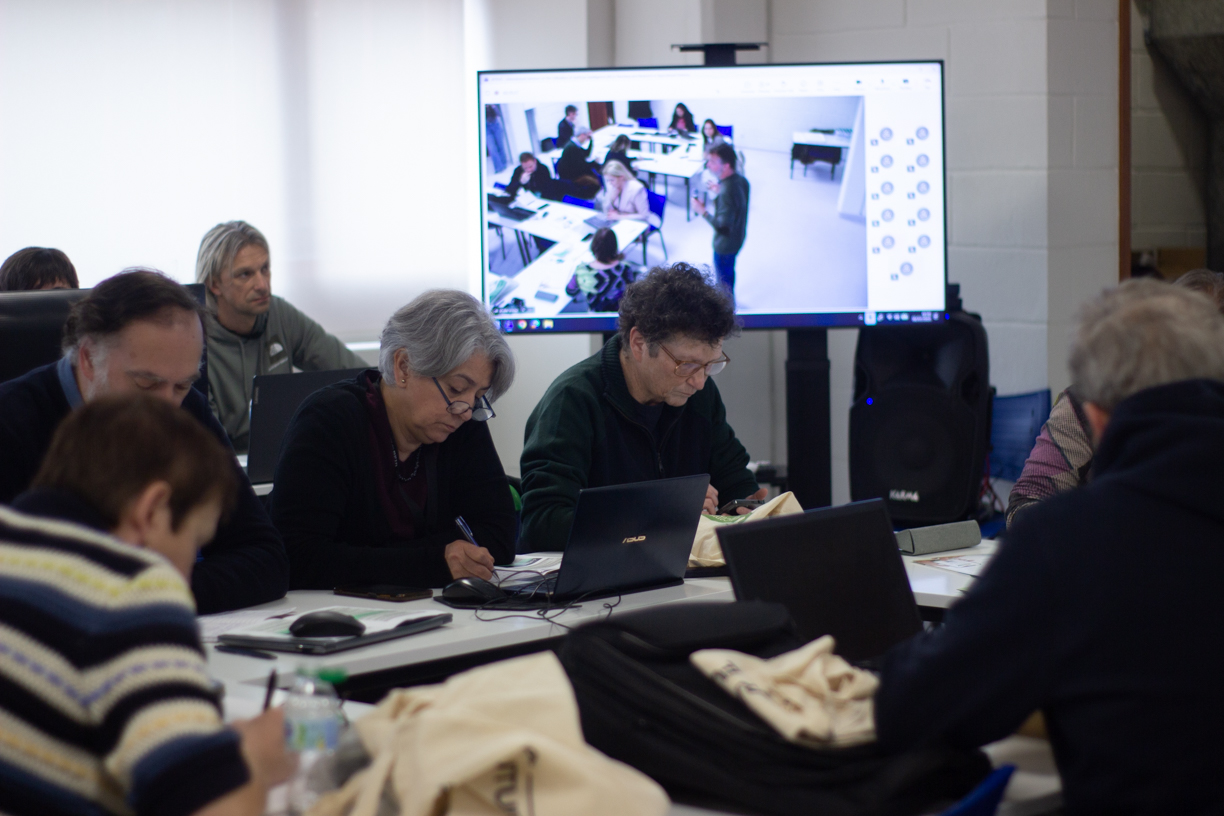
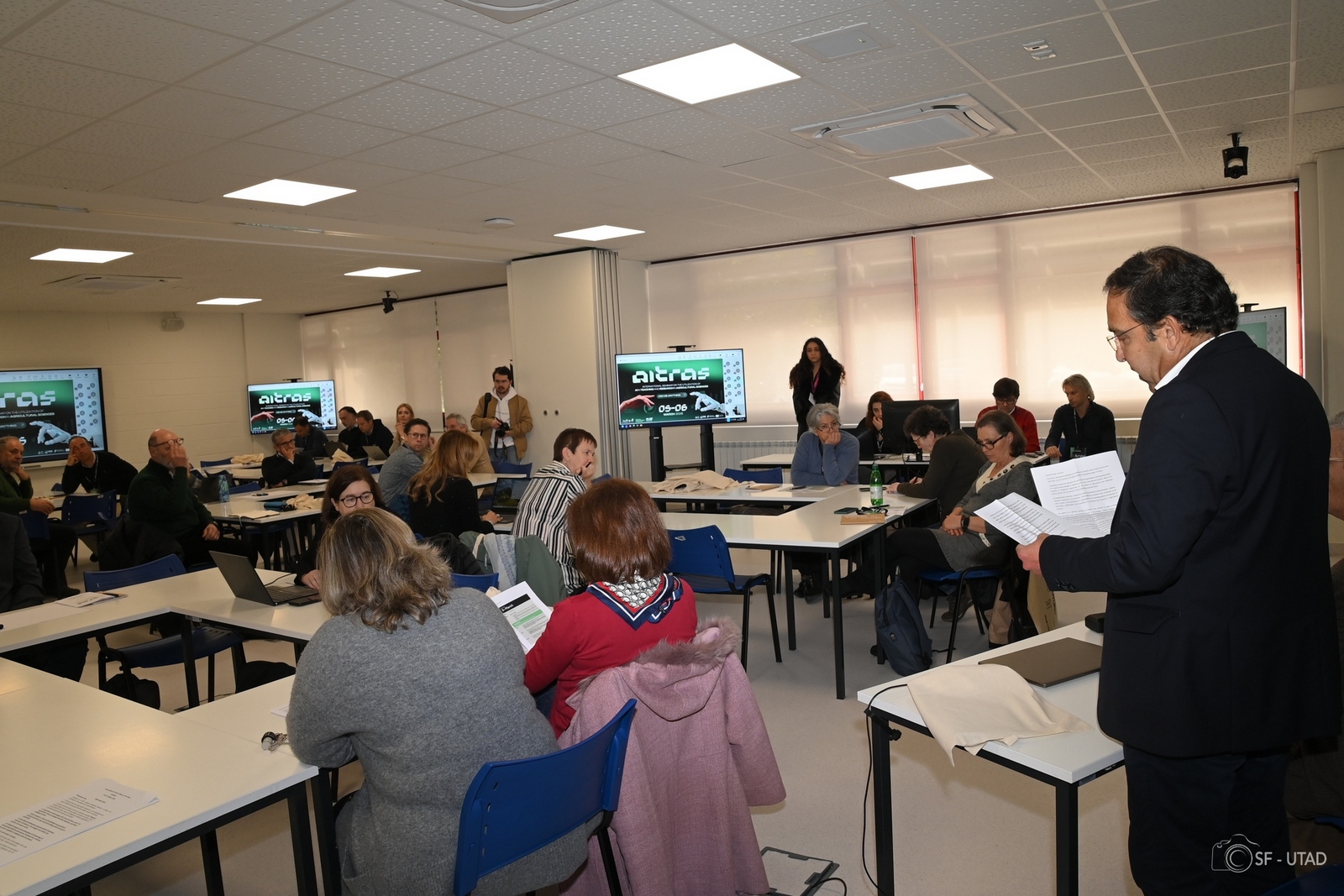
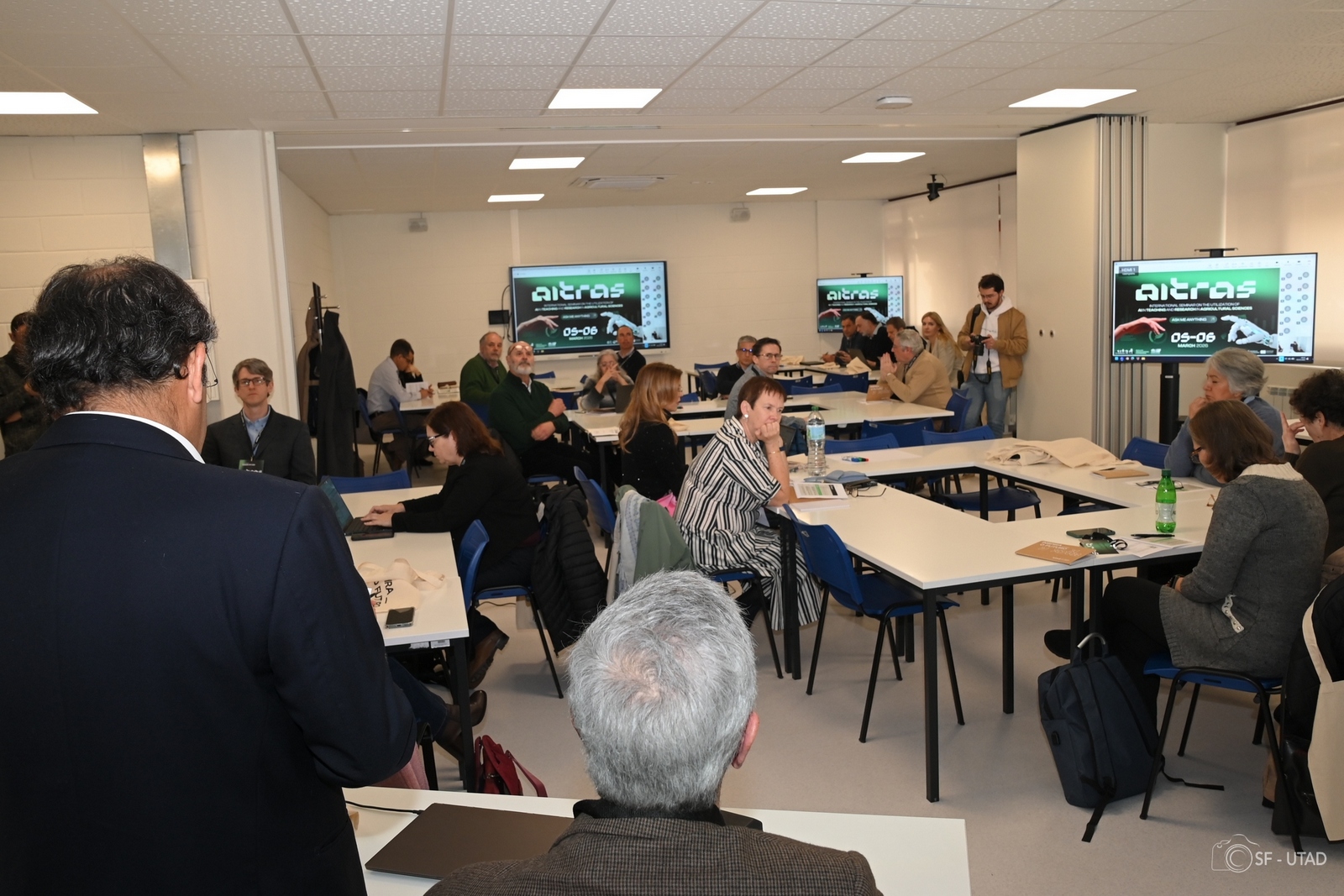
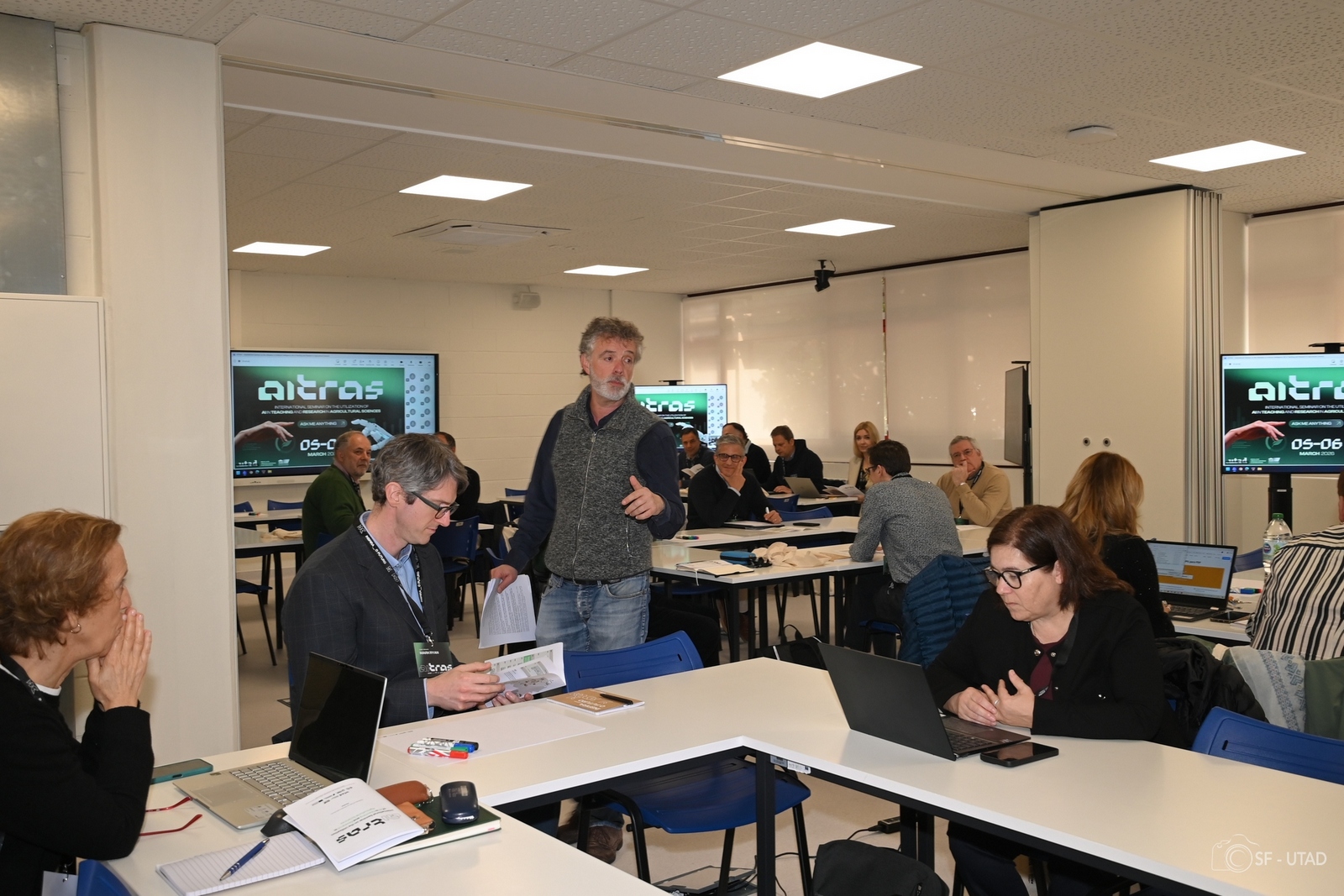
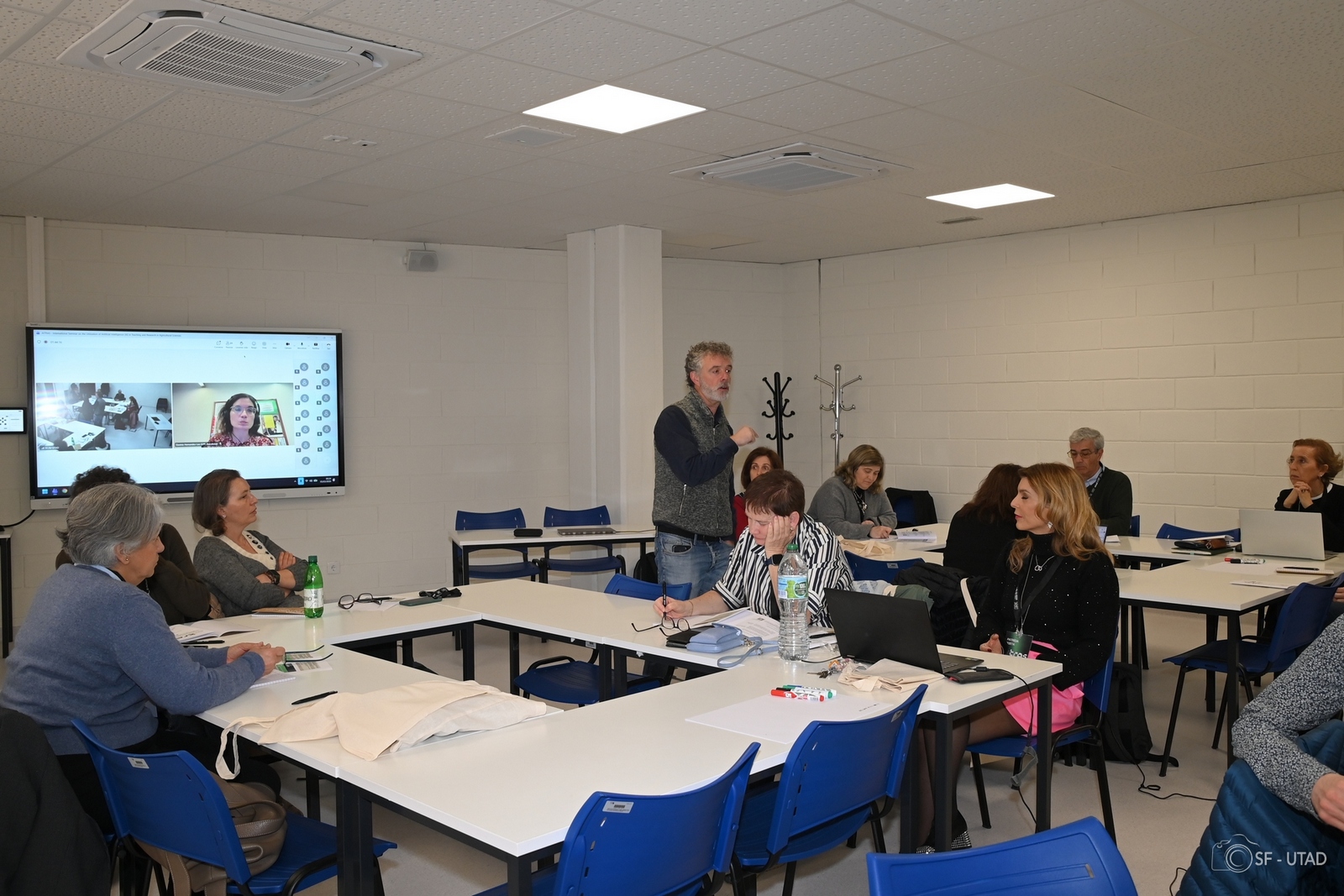
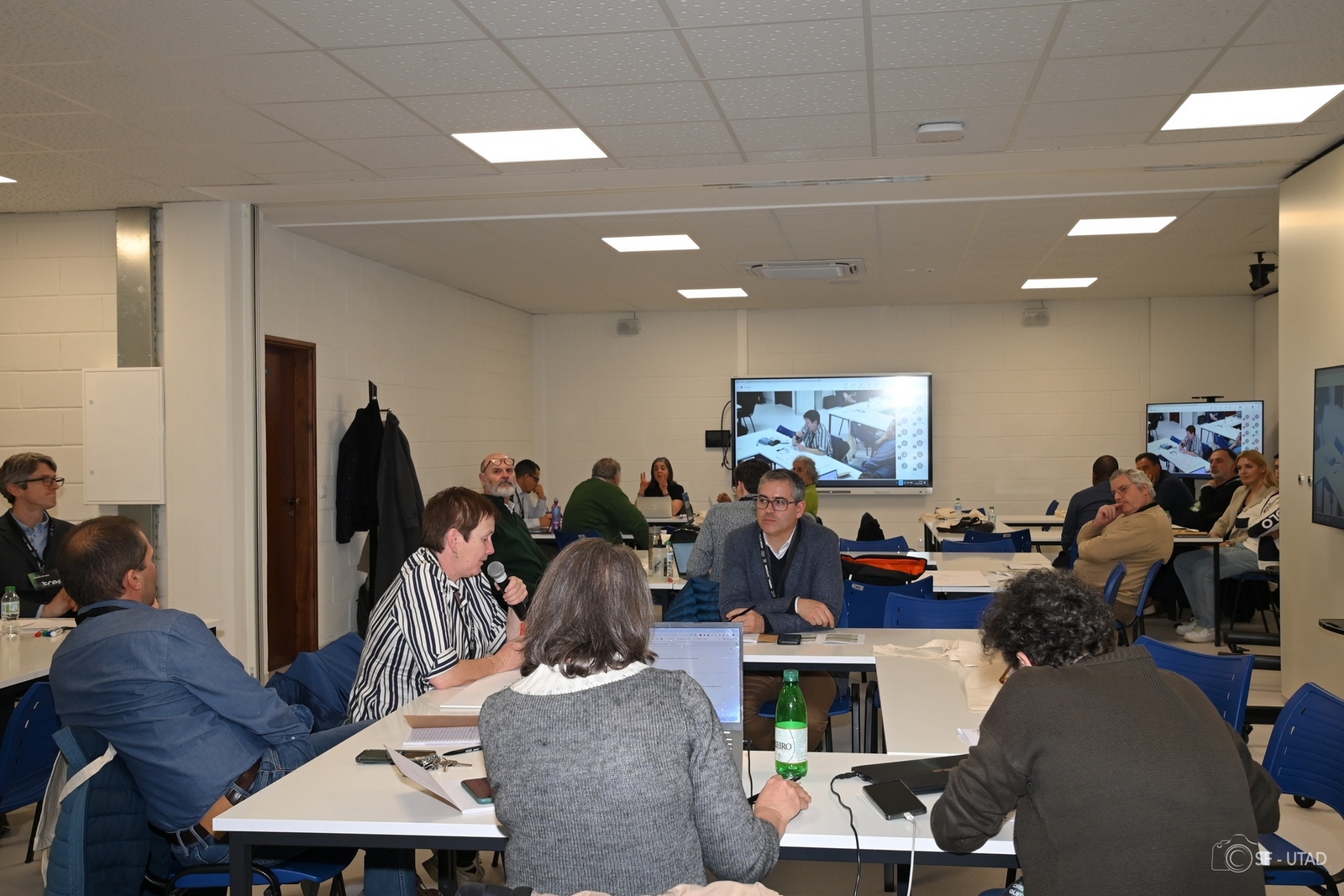
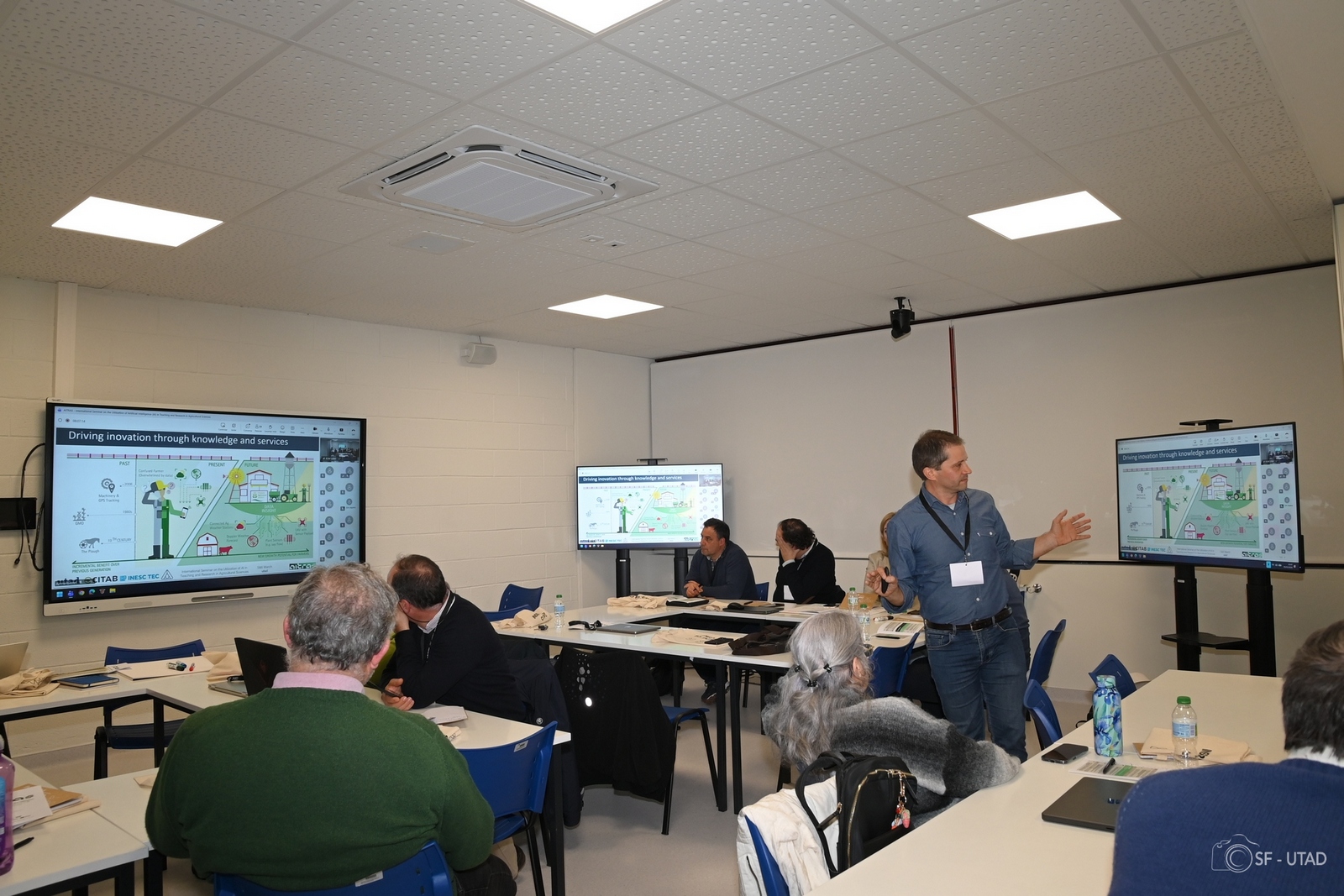
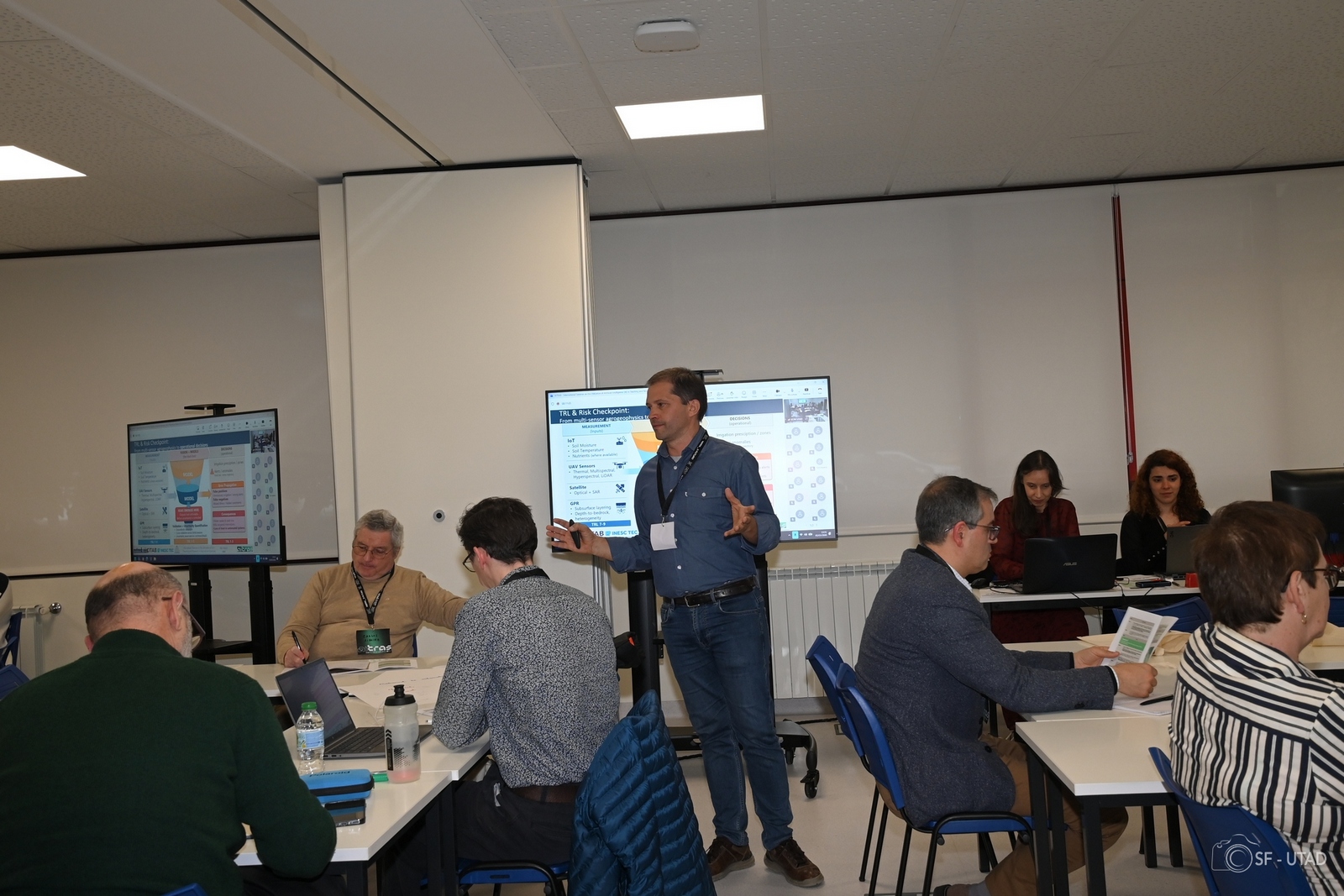
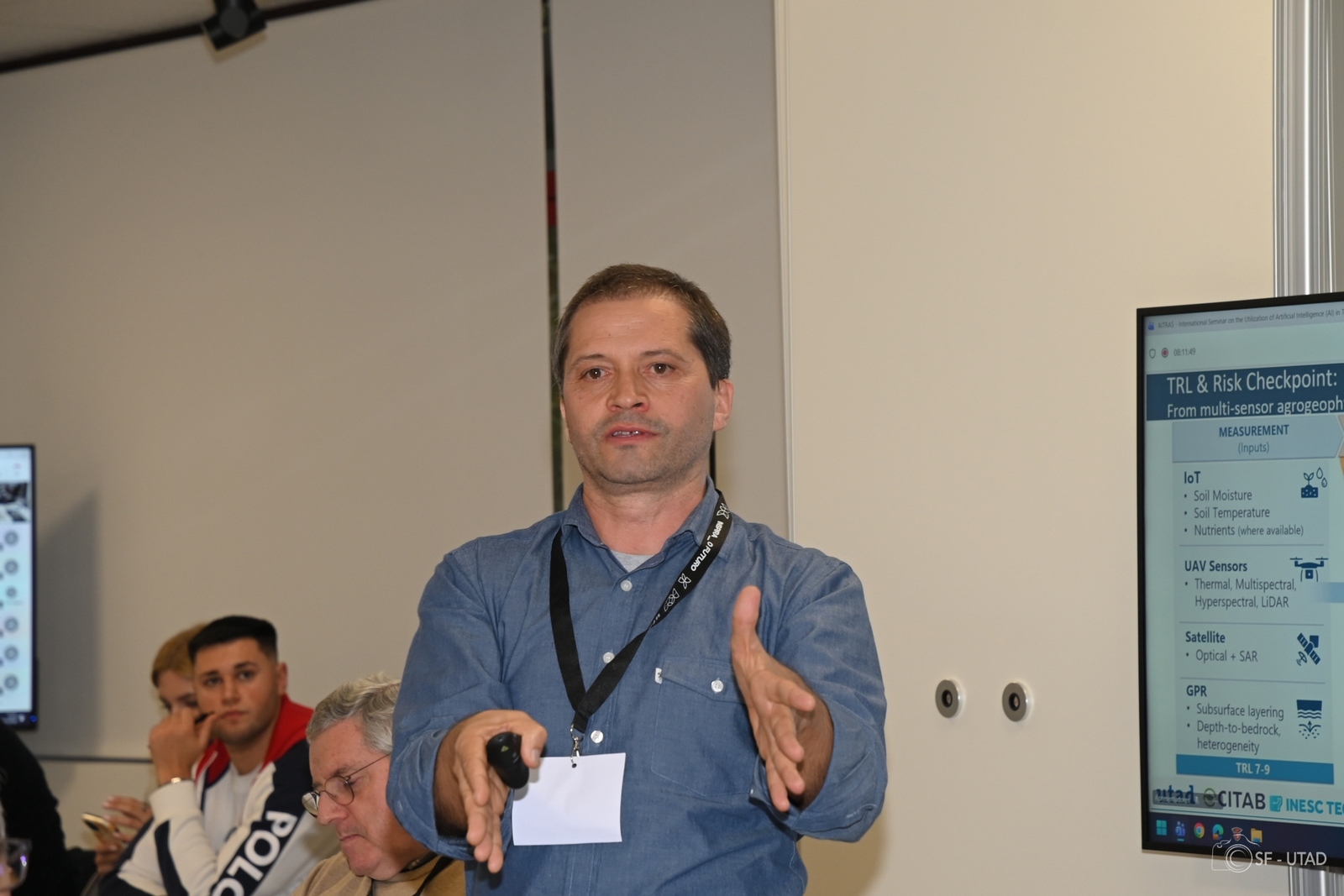
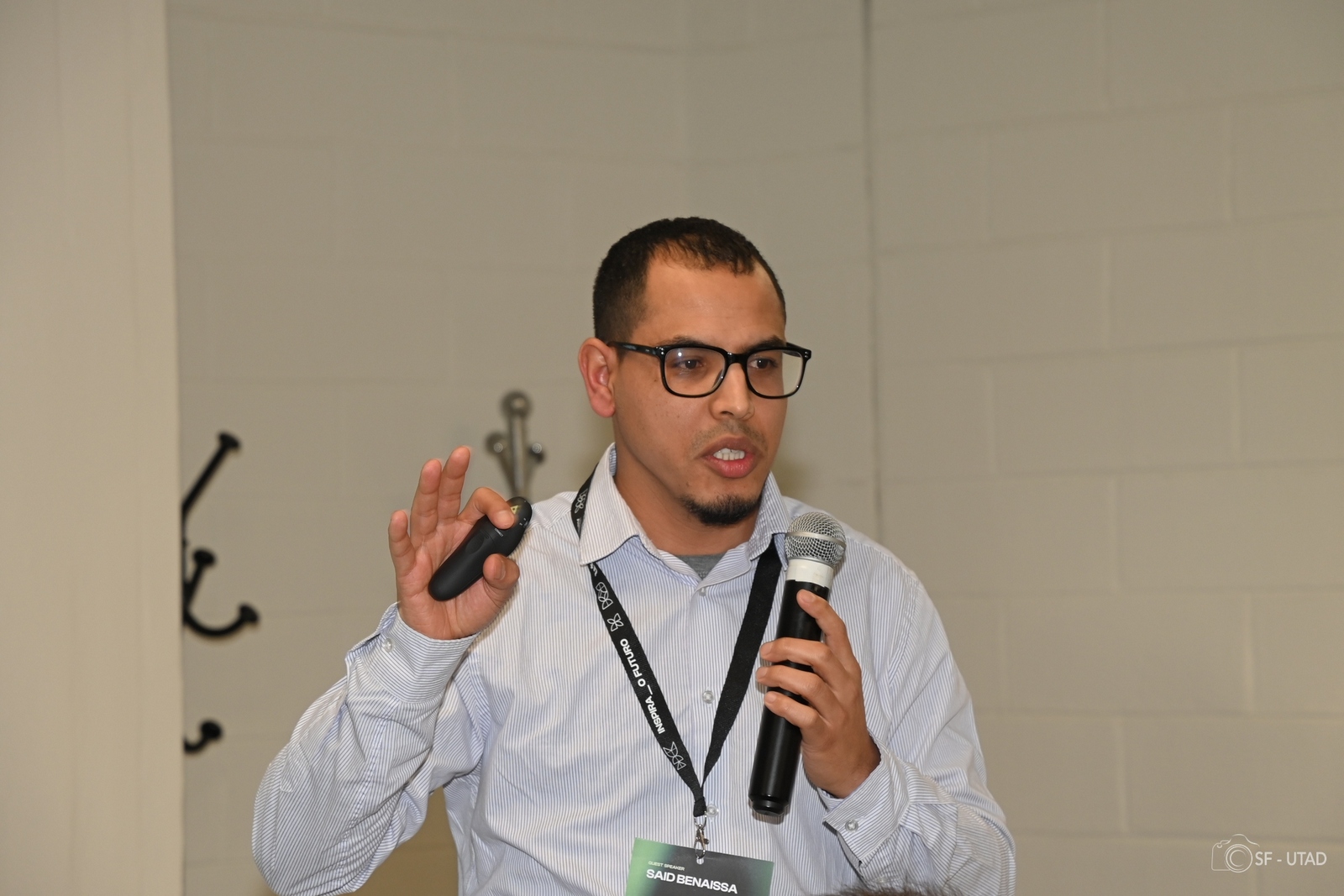
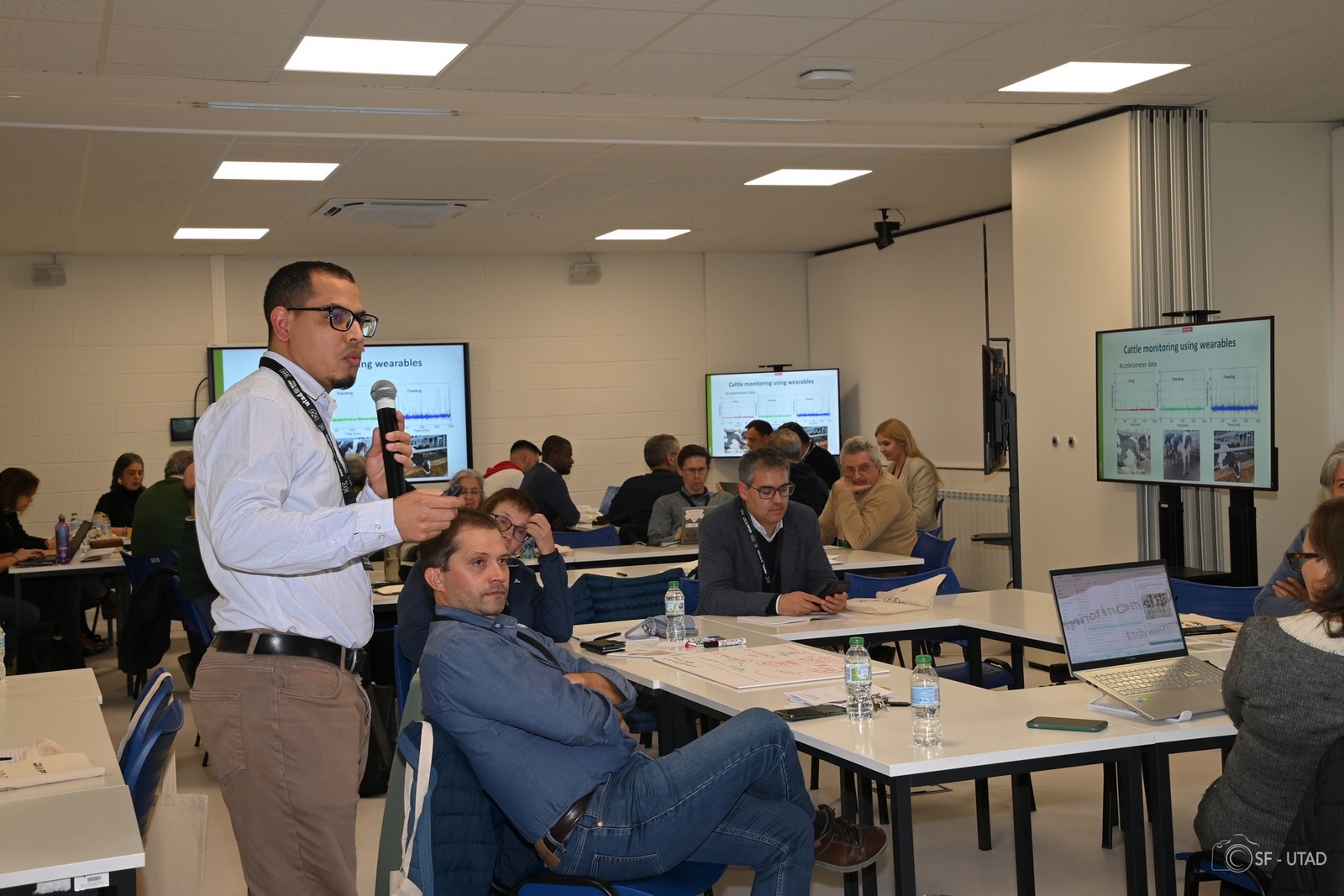
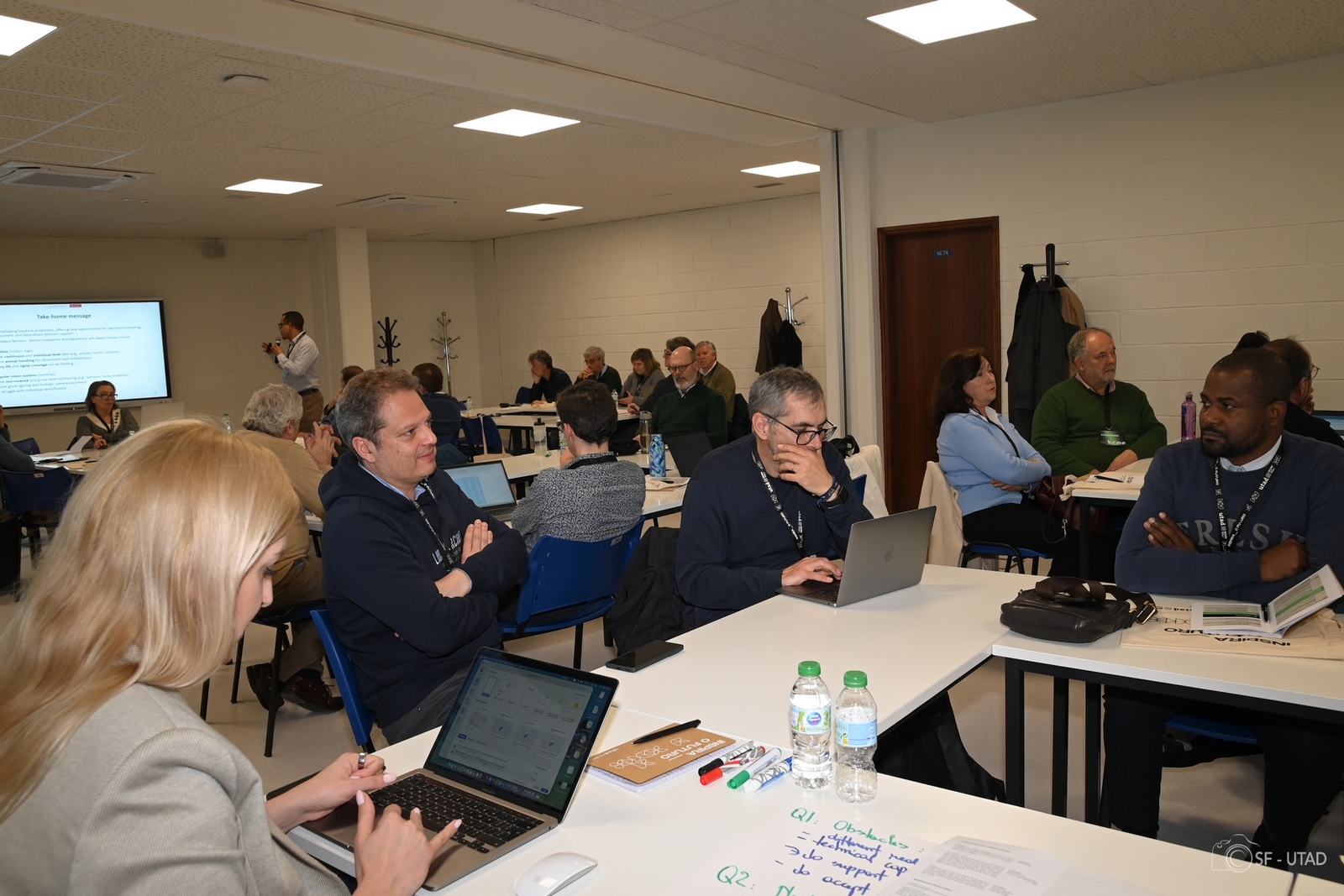
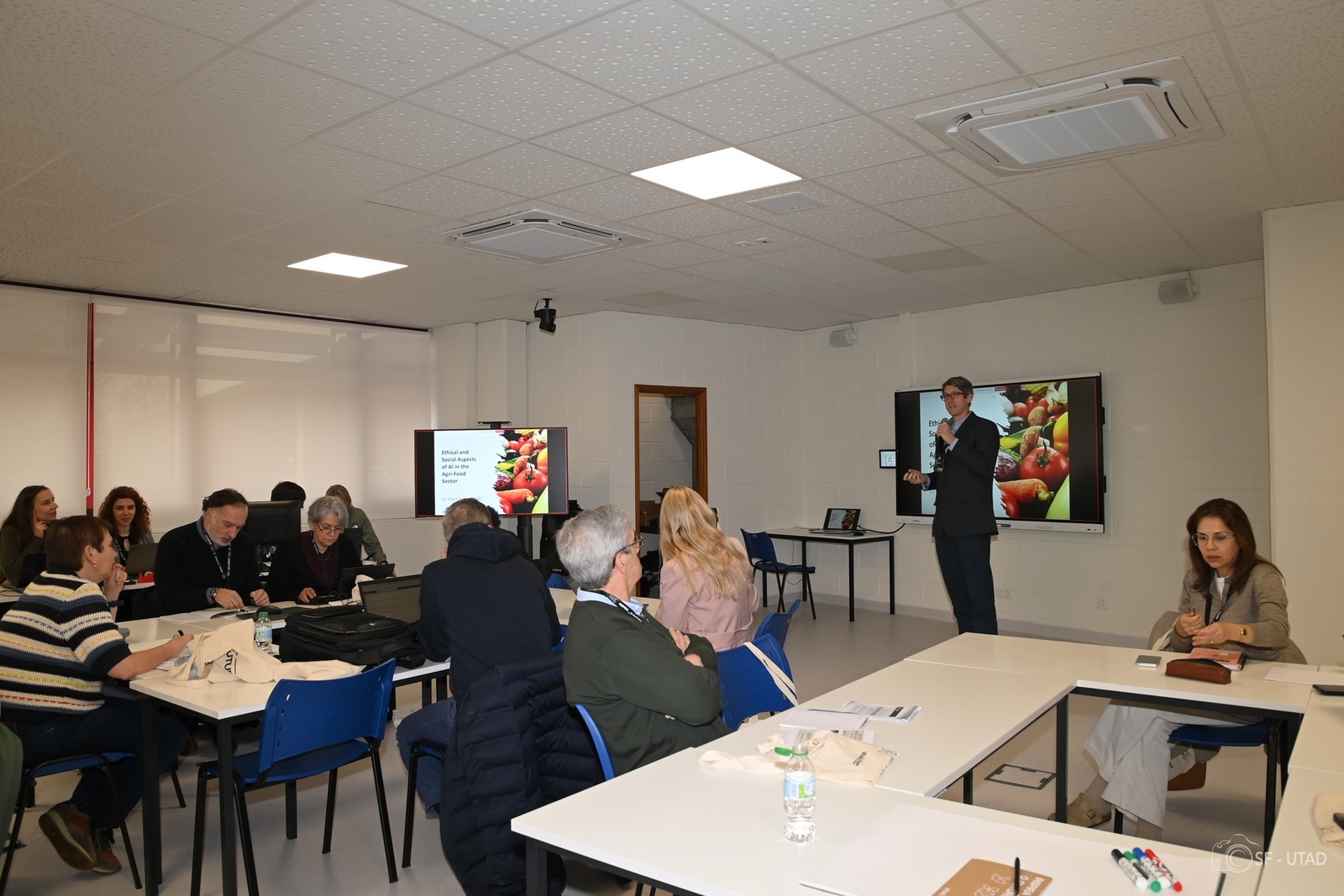
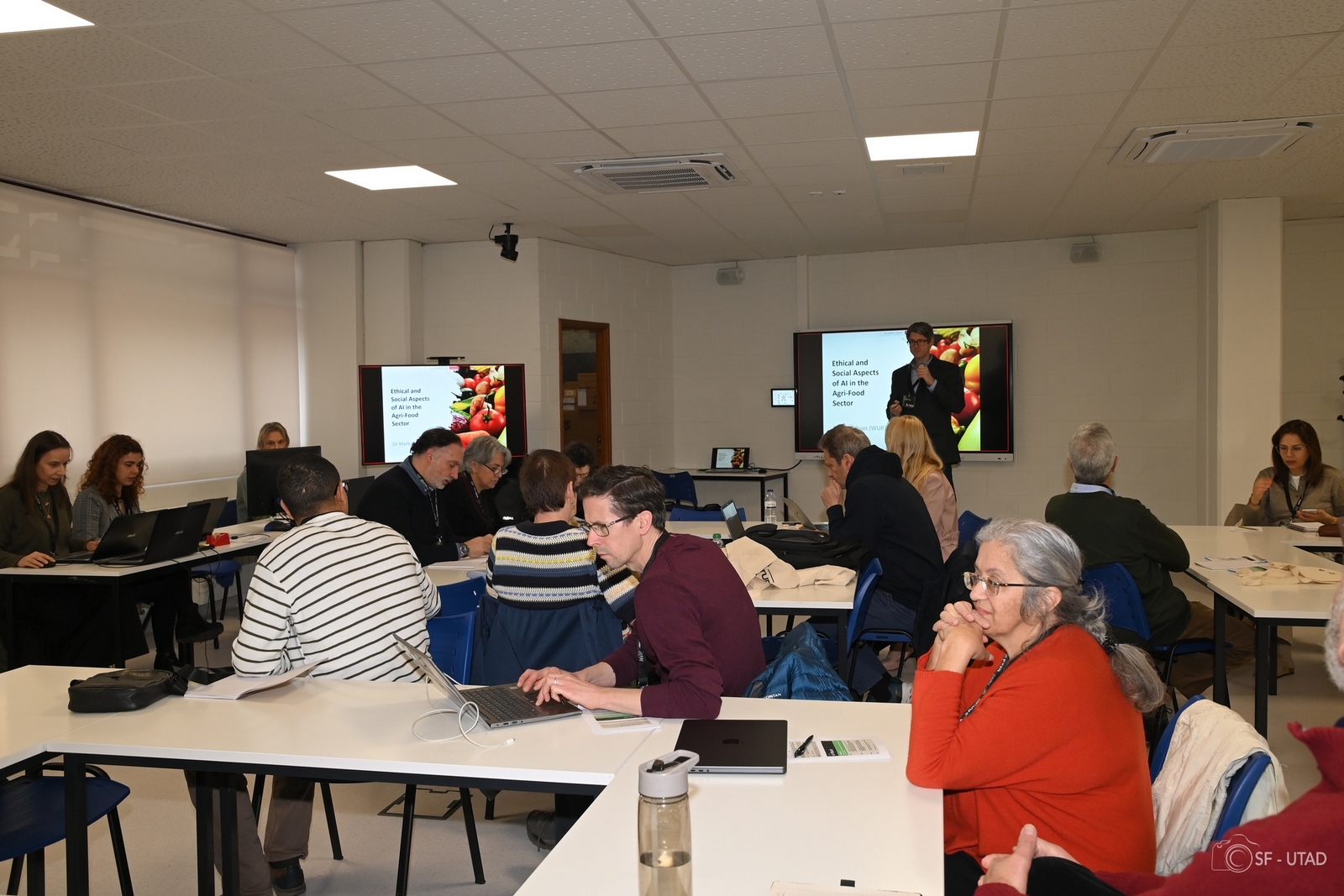
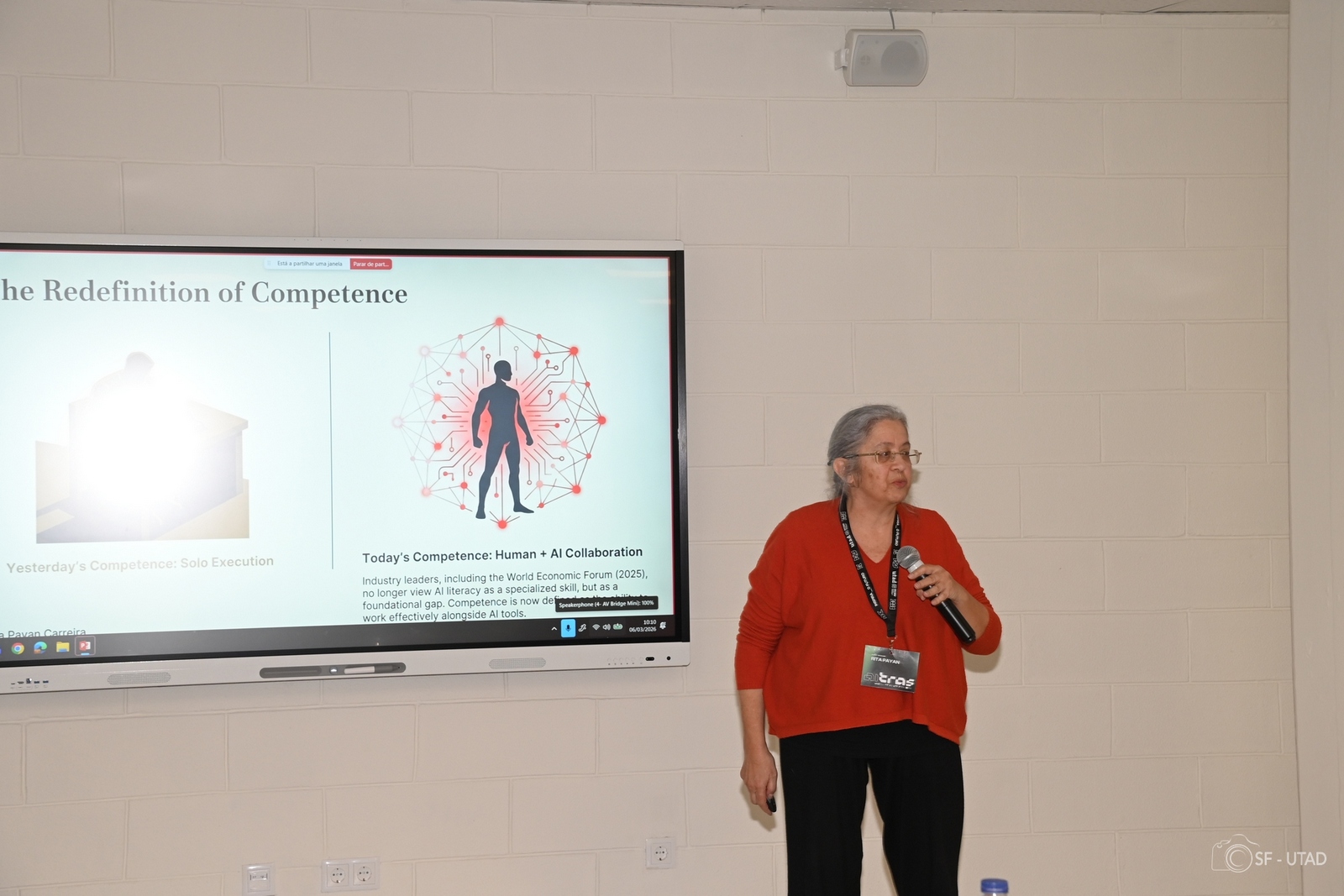
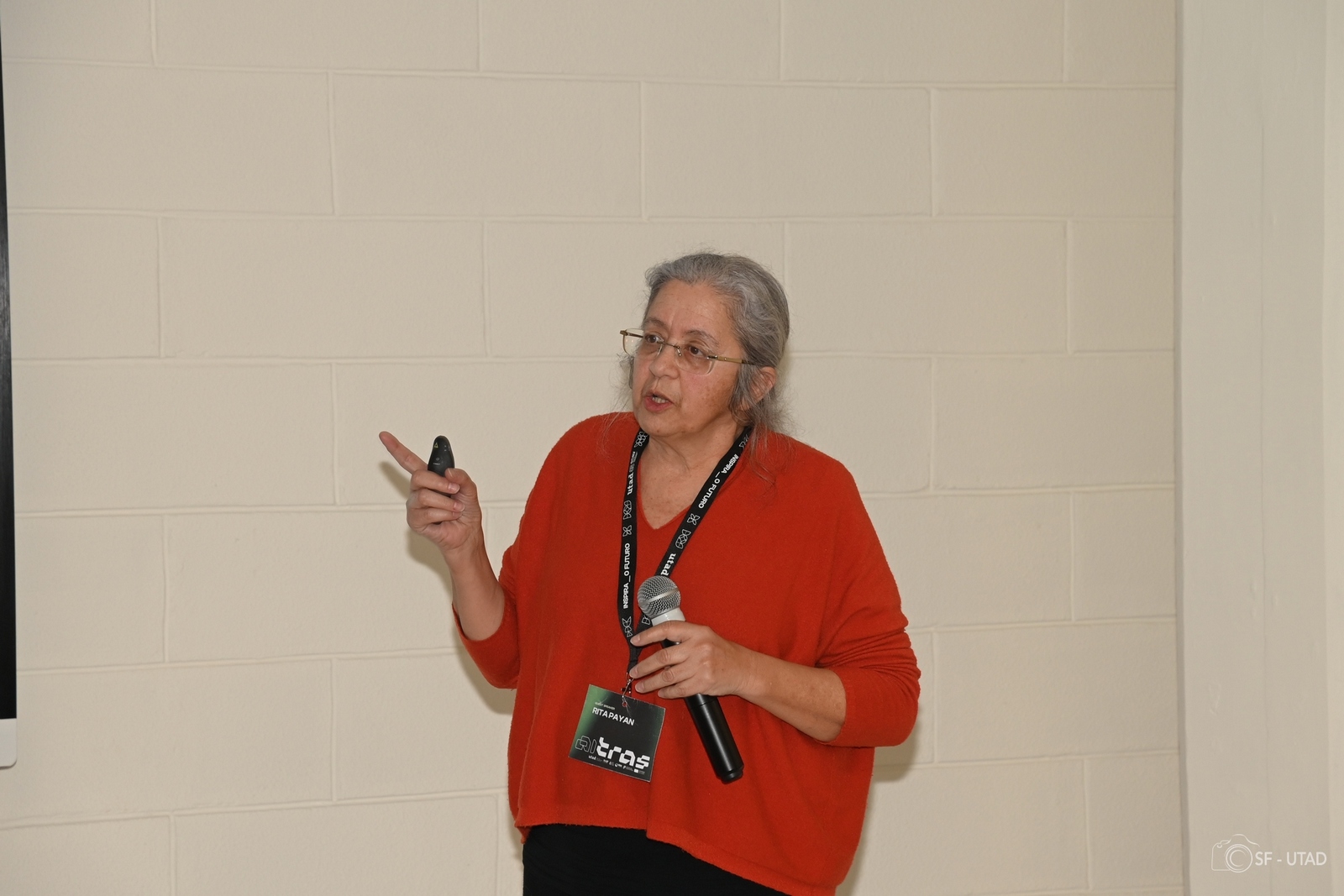
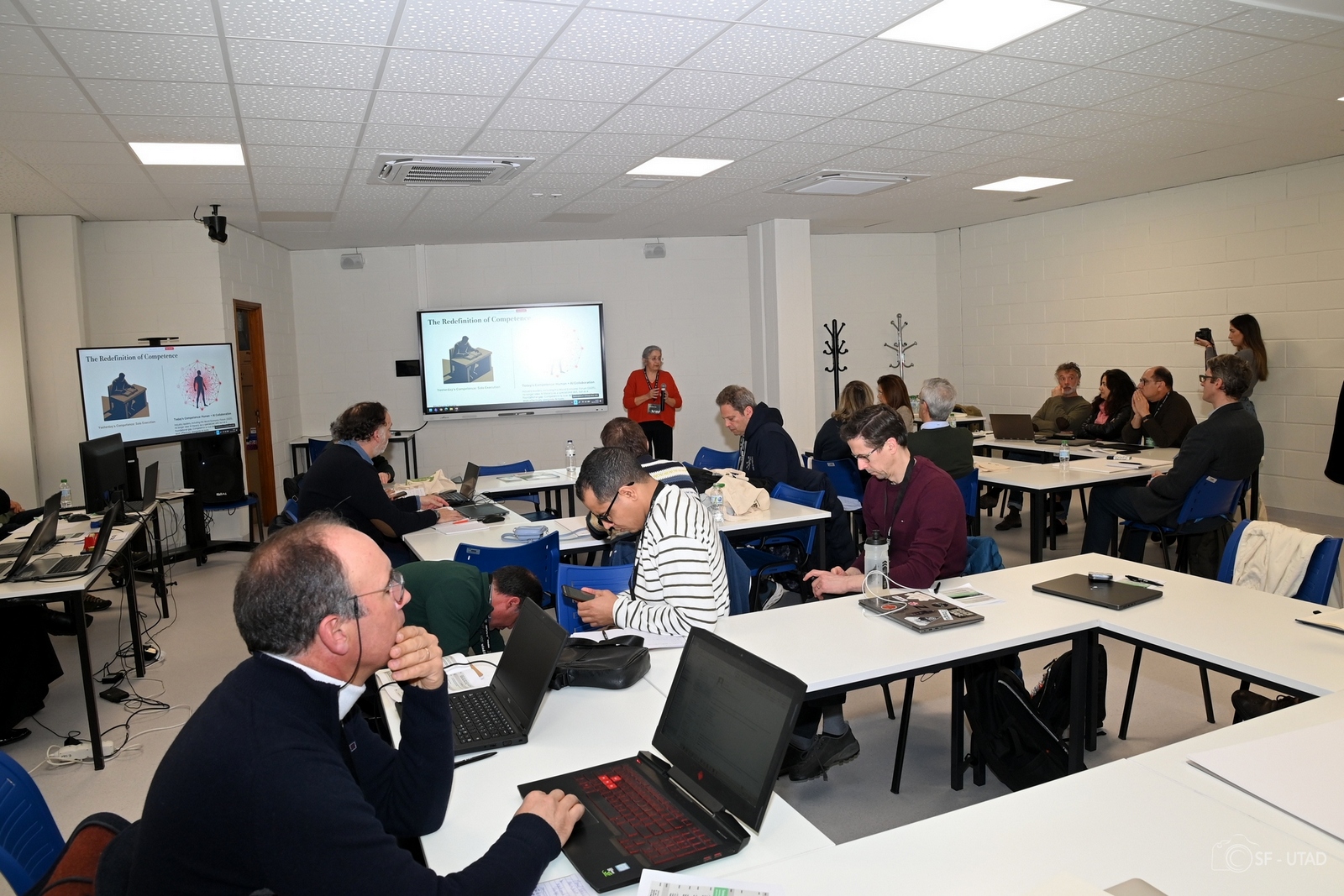
The International Seminar on the Utilization of Artificial Intelligence (AI) in Teaching and Research in Agricultural Sciences will bring together experts, educators, researchers, and students from around the world to explore how AI can revolutionize education and research in agricultural sciences. This seminar will focus on the application of AI technologies in enhancing teaching methods, improving research outcomes, and addressing challenges faced by the agricultural sector globally. The seminar will feature keynote speakers, panel discussions, and hands-on workshops designed to facilitate the exchange of ideas, foster collaboration, and develop practical strategies for integrating AI into agricultural education and research.
AI in Agricultural Education
Participants will explore the integration of AI into curriculum development and teaching methods for agricultural sciences. This includes AI-driven tools that can aid in personalized learning, virtual laboratories, and simulation-based teaching. Discussions will focus on the challenges and opportunities presented by AI in enhancing learning experiences for students in agricultural programs at various academic levels.
As AI continues to evolve, it is crucial to rethink assessment methods. The seminar will address how AI can be used to design innovative and authentic assessments in agricultural sciences. Participants will engage in workshops to brainstorm and develop AI-based assessment scenarios that reflect real-world agricultural challenges and solutions.
AI for Agricultural Research
The seminar will delve into how AI is transforming agricultural research, from improving crop yield predictions to analysing environmental data for sustainable farming practices. Topics will include machine learning applications for crop modelling, precision agriculture, climate change adaptation, and the development of AI-powered tools for fieldwork.
Ethical Considerations and Challenges
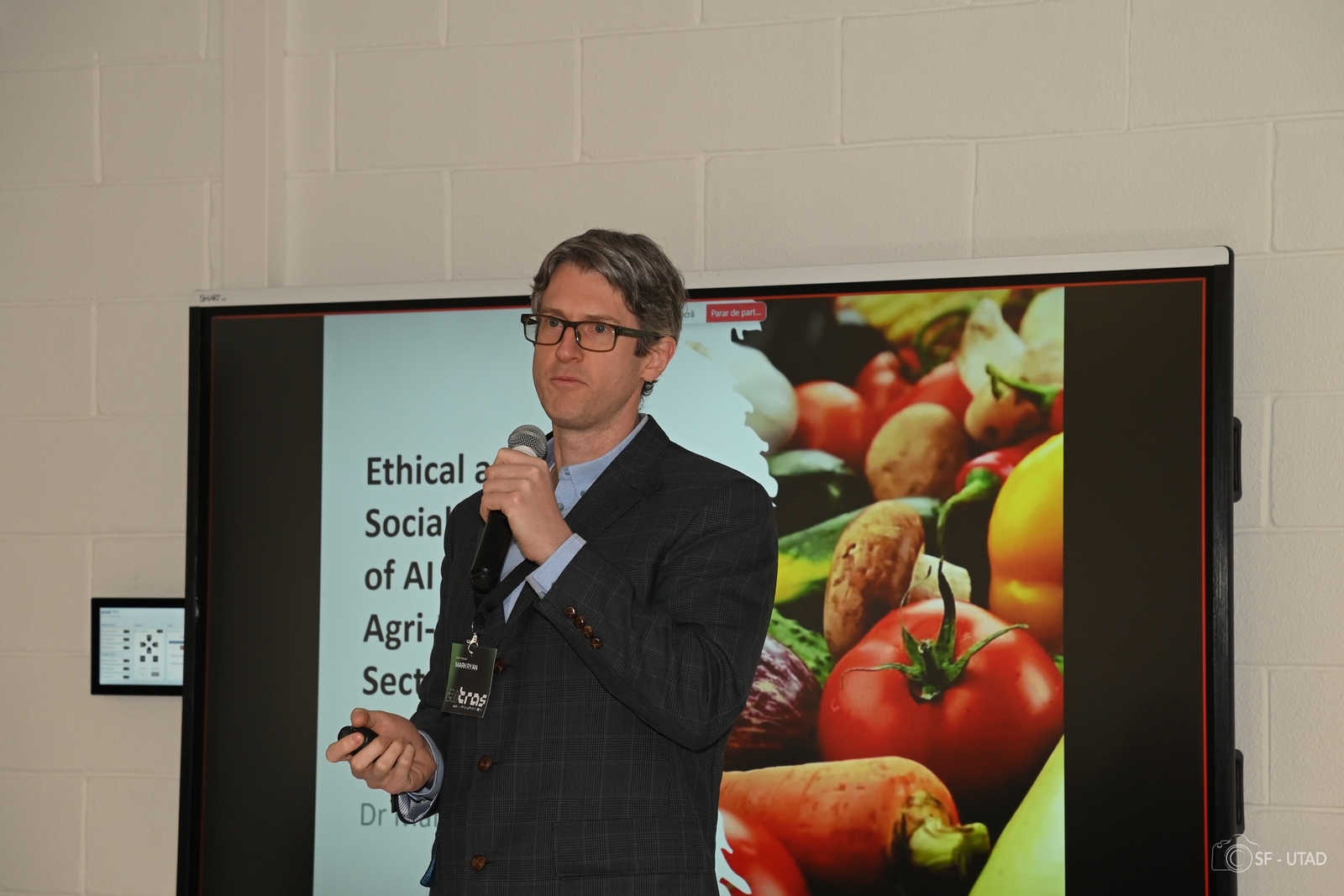
While AI holds immense potential, its use in education and research comes with ethical concerns. The seminar will tackle issues related to data privacy, algorithmic bias, and the potential for AI to reinforce inequities in agricultural research and education. Sessions will provide frameworks for addressing these challenges while ensuring that AI serves the global agricultural community equitably.
Seminar Goals
The seminar will aim to achieve the following outcomes:
Enhanced Understanding: Participants will gain a comprehensive understanding of the current and future roles of AI in agricultural sciences, including the benefits, limitations, and ethical challenges involved.
Practical Applications: Attendees will learn how to integrate AI tools and methodologies into agricultural curricula and research, improving both teaching quality and research productivity.
Collaboration and Networking: The event will provide opportunities for networking and collaboration among international institutions, researchers, and educators. The exchange of case studies, best practices, and resources will be encouraged.
Development of Actionable Strategies: The seminar will conclude with a series of actionable strategies and recommendations for incorporating AI into agricultural education and research, ensuring that participants leave with clear ideas on how to implement AI solutions in their own contexts.
Target Audience
The seminar is designed for faculty, researchers, and administrators from academic institutions, particularly those involved in agricultural science education and research. Additionally, policy-makers, technology developers, and students with a focus on AI and agriculture are invited to attend. By gathering a diverse group of stakeholders, the seminar aims to foster a multidisciplinary dialogue that can address the complex challenges and opportunities AI presents to the agricultural sector.
Programme

Official language
English
Visit
LIMITED INSCRIPTIONS

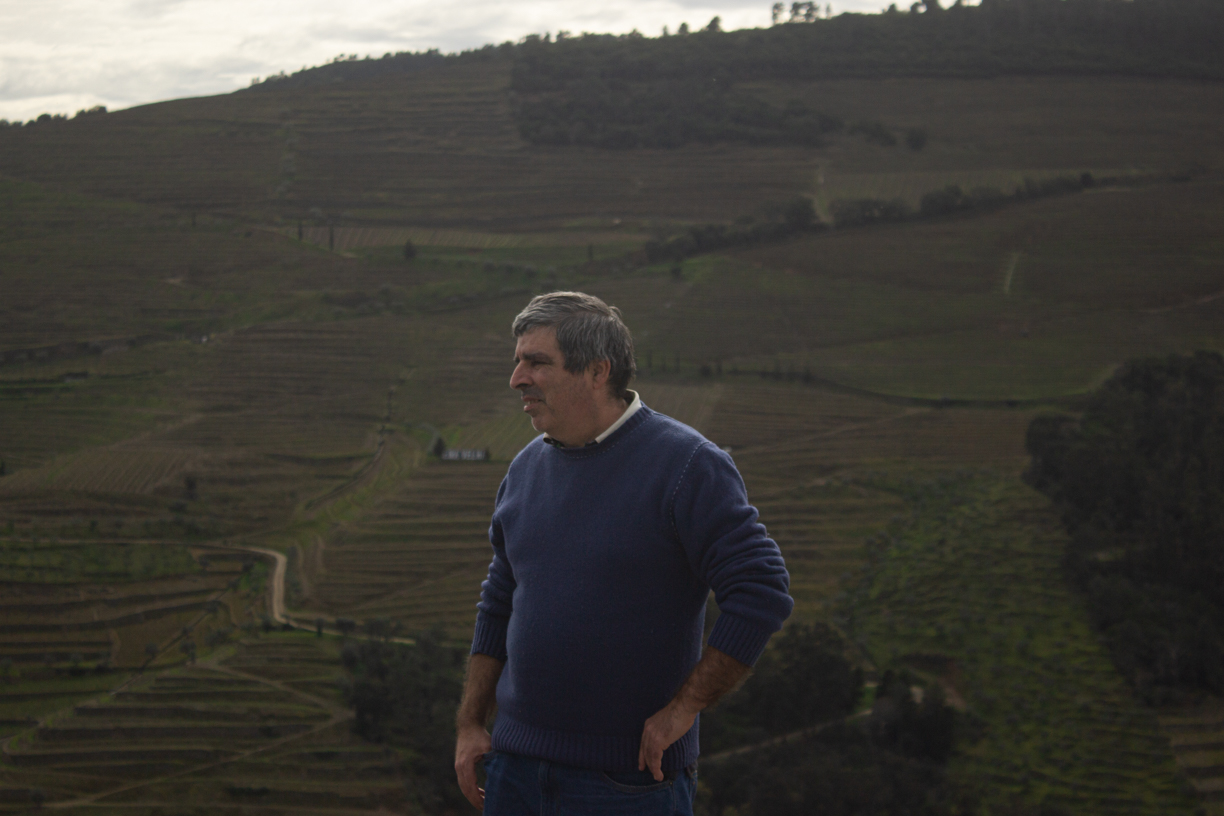
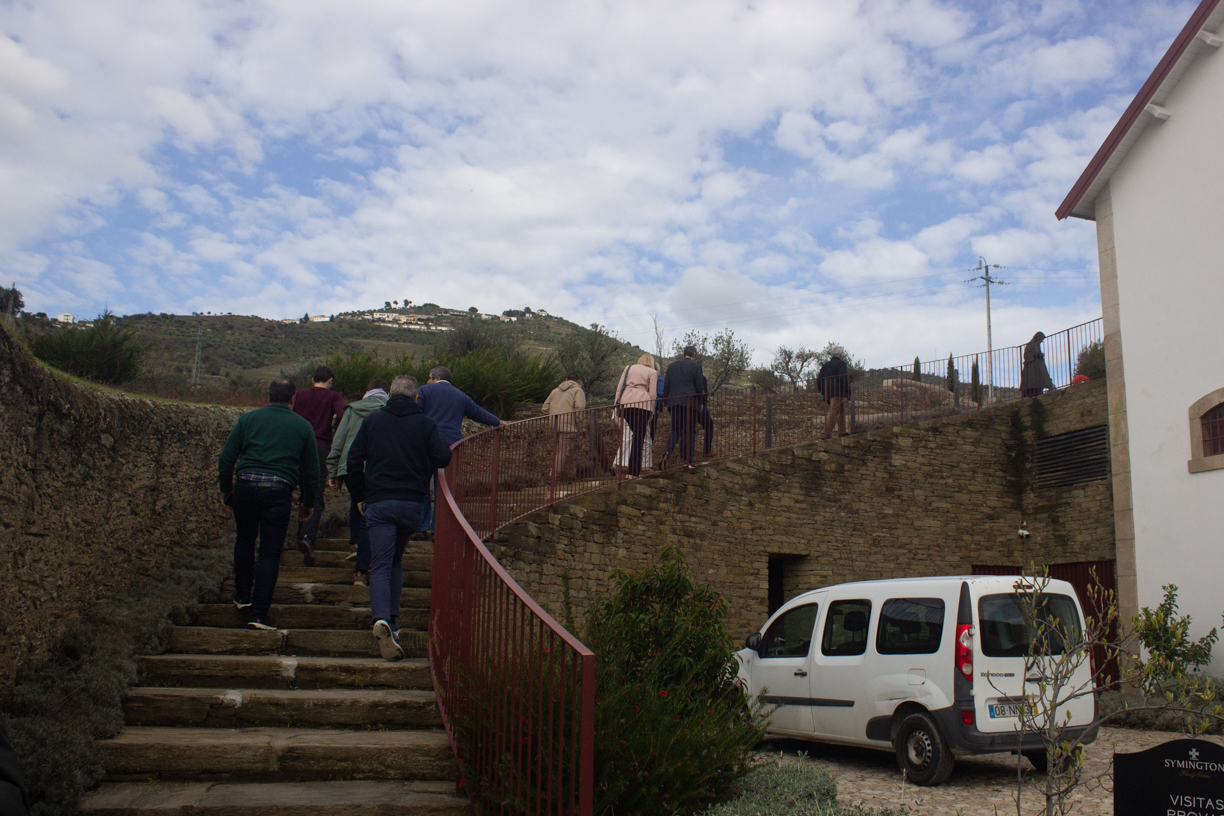
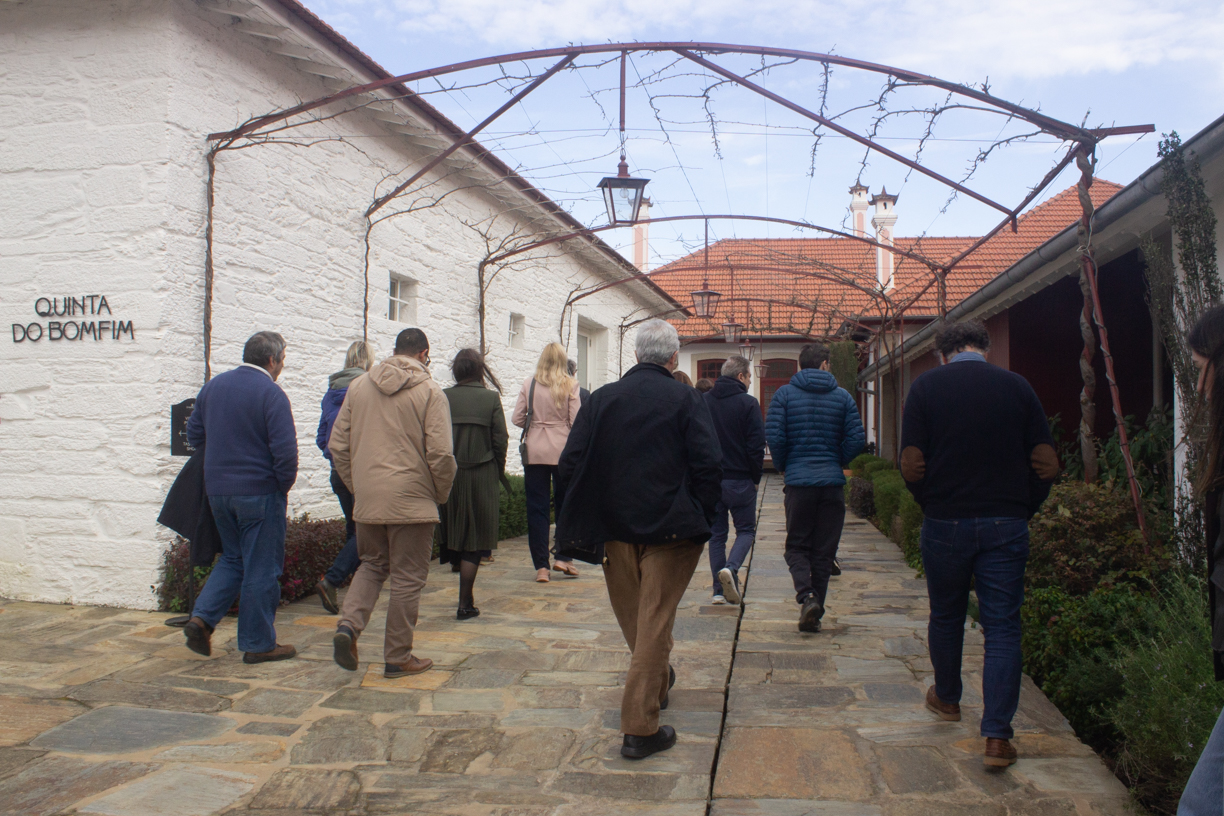
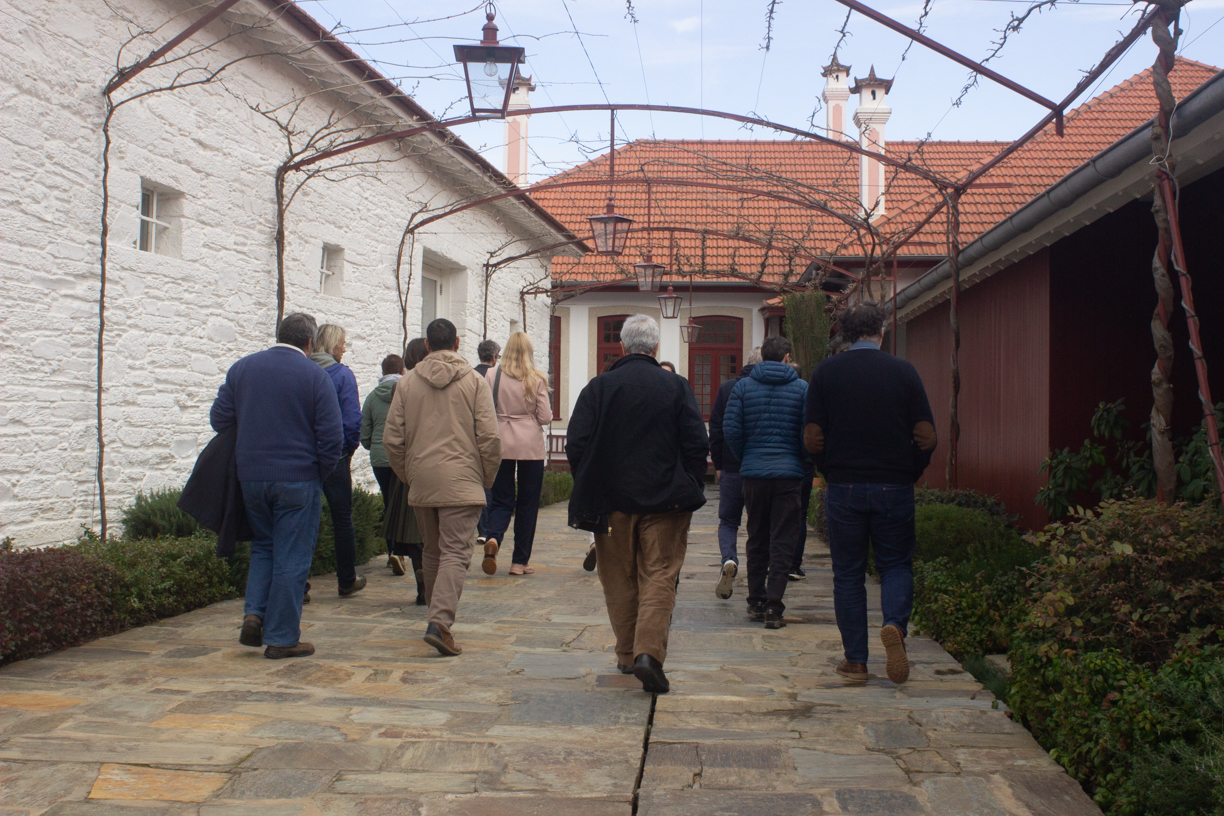
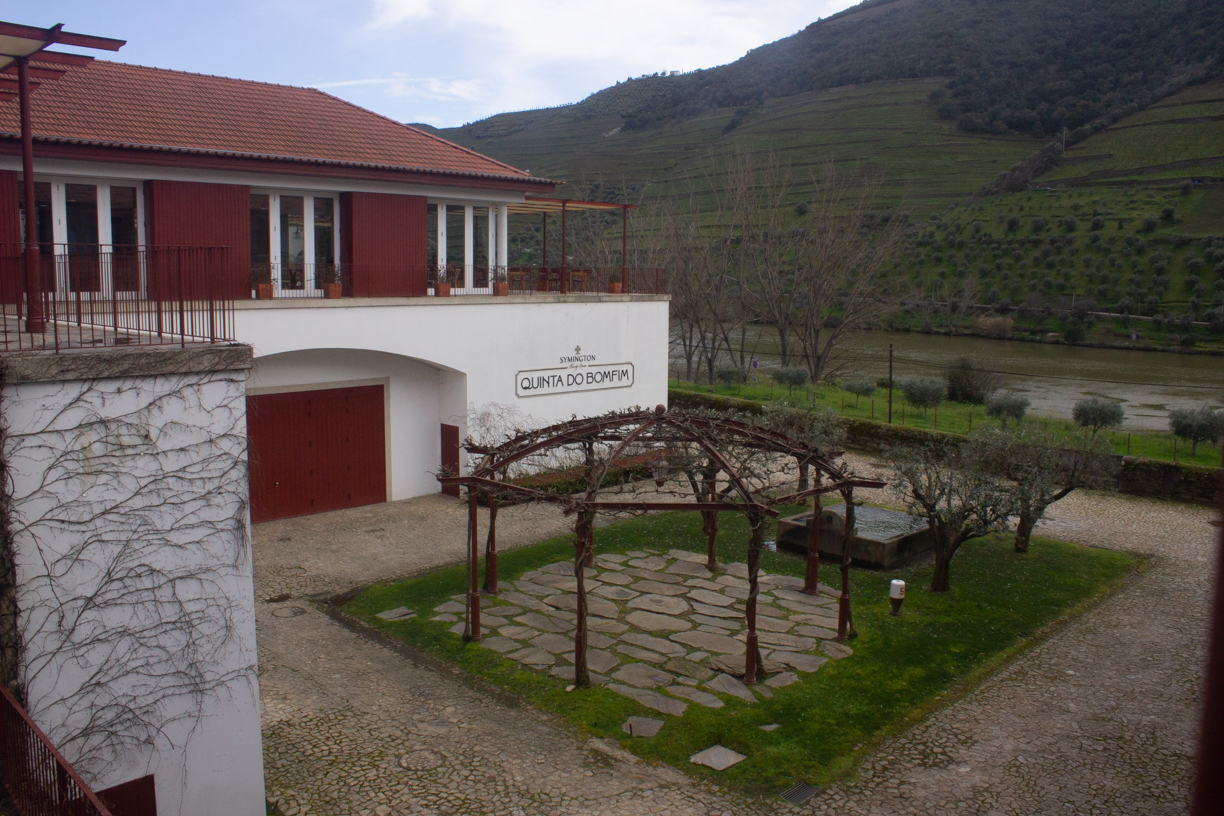
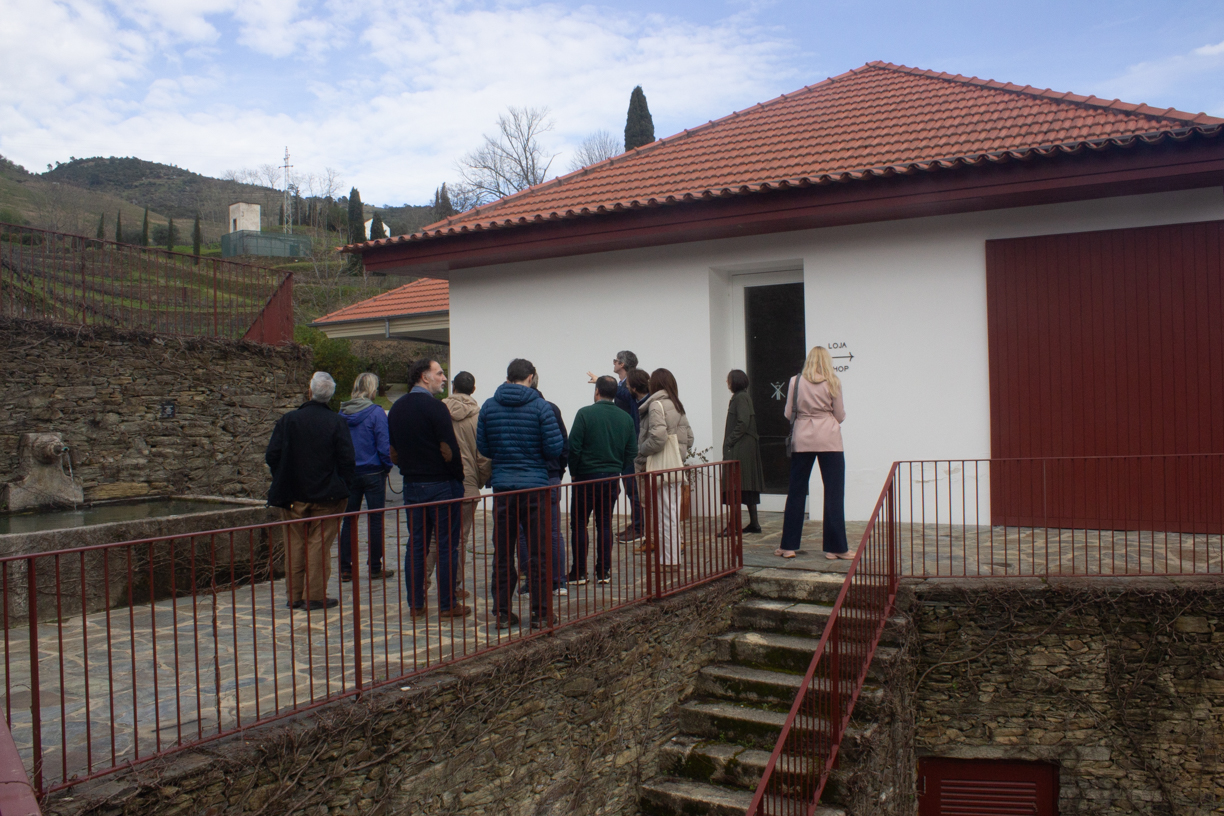
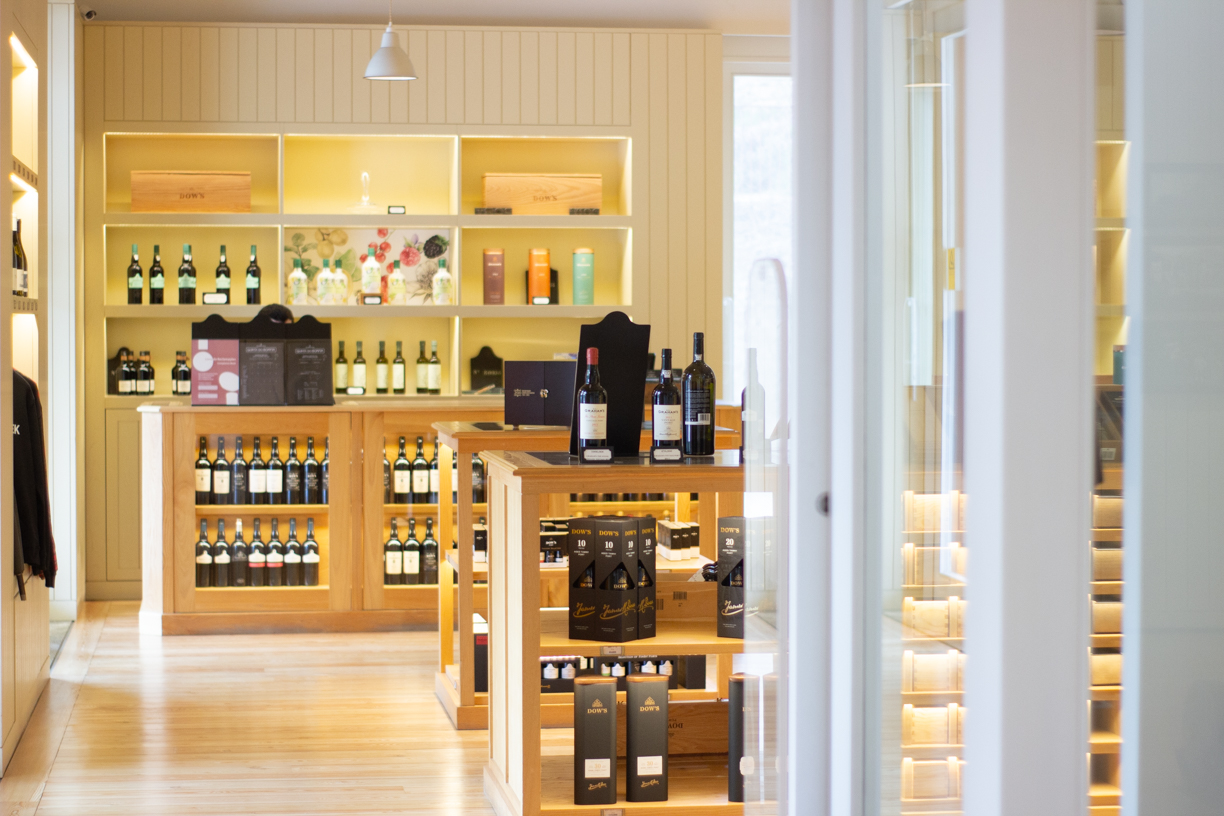
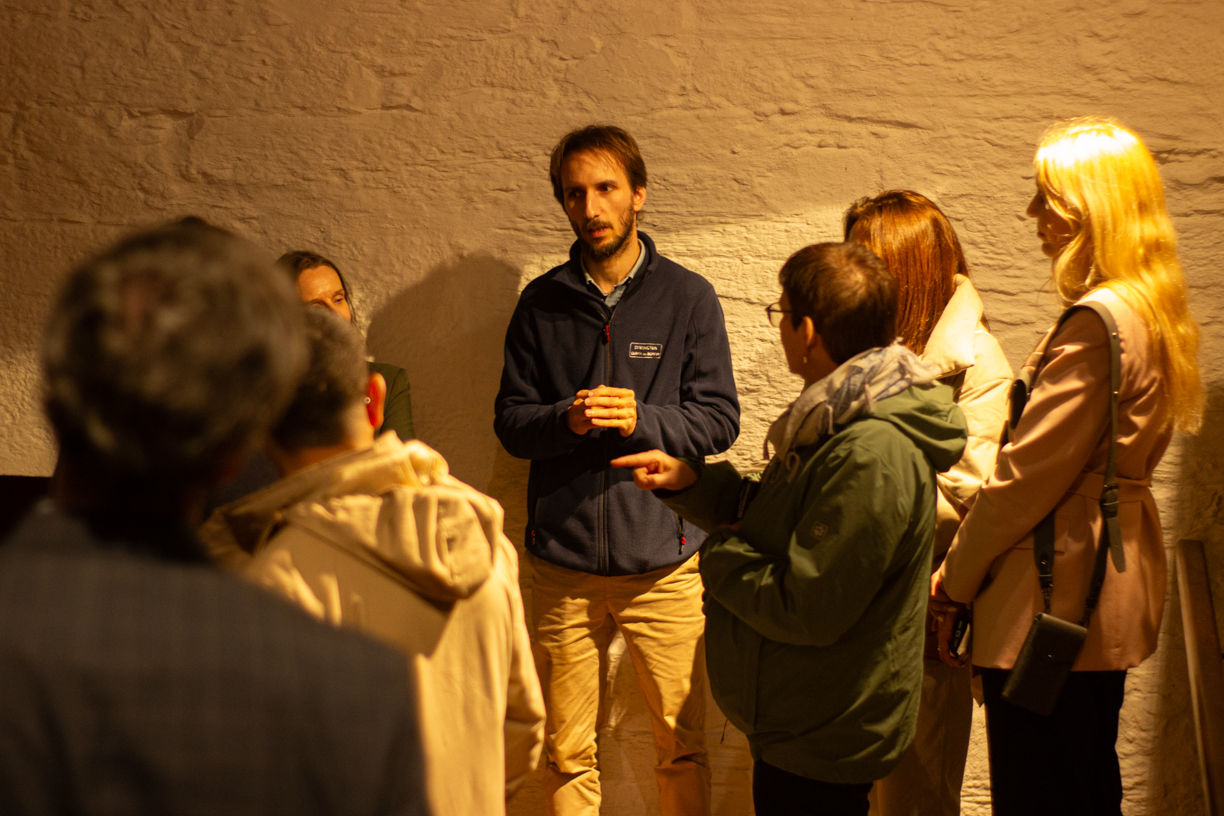
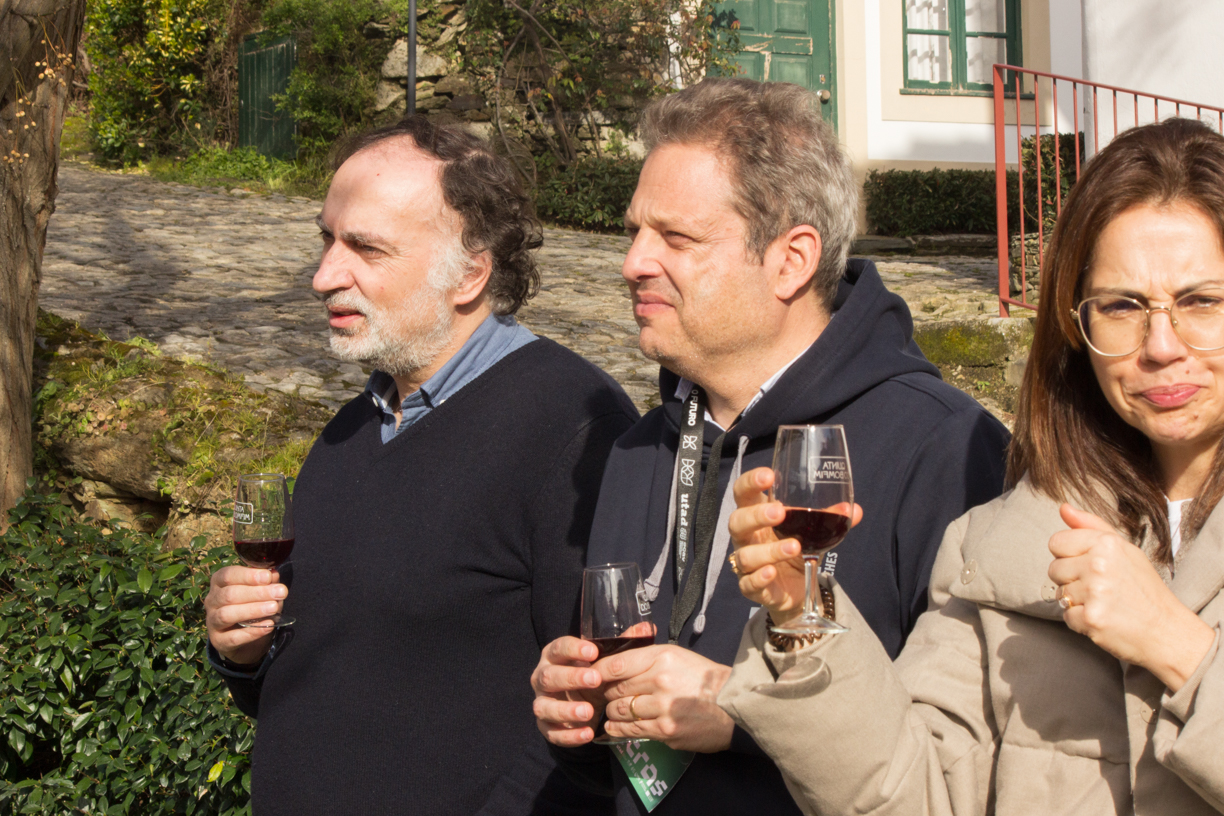
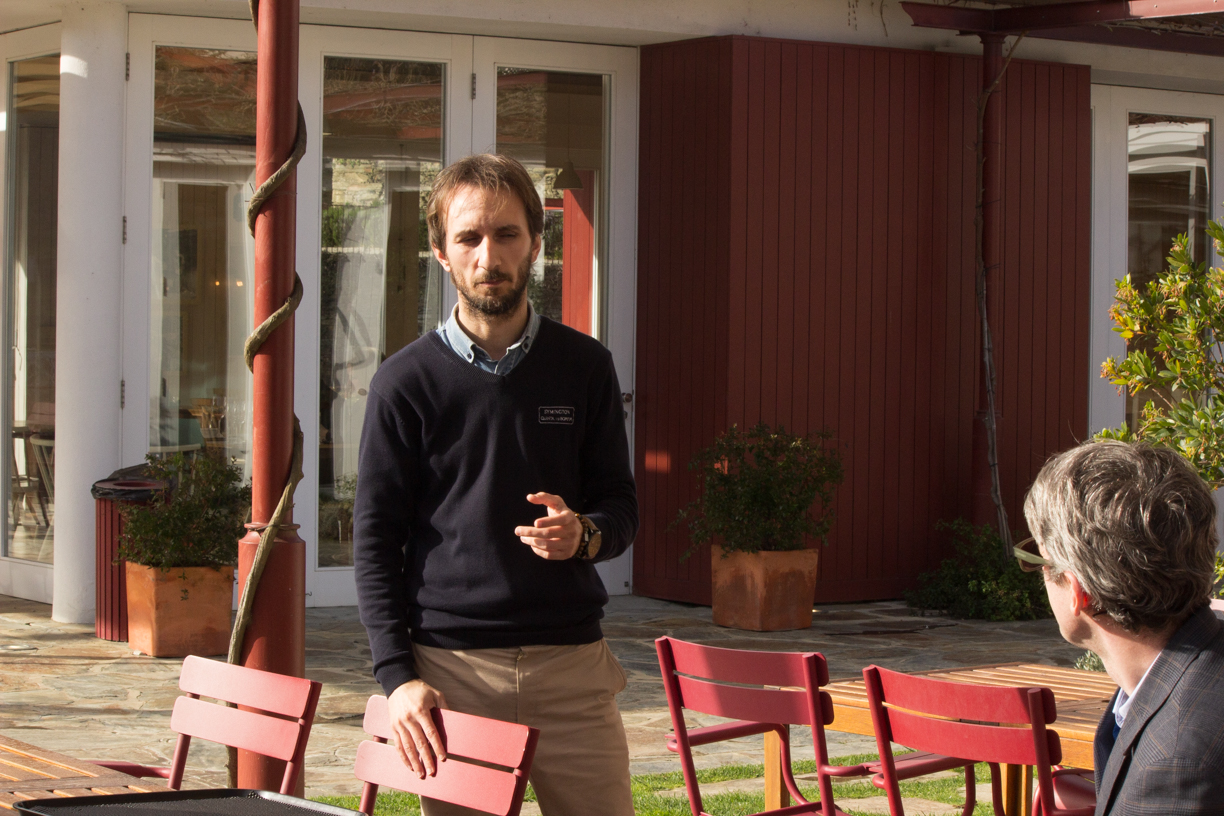
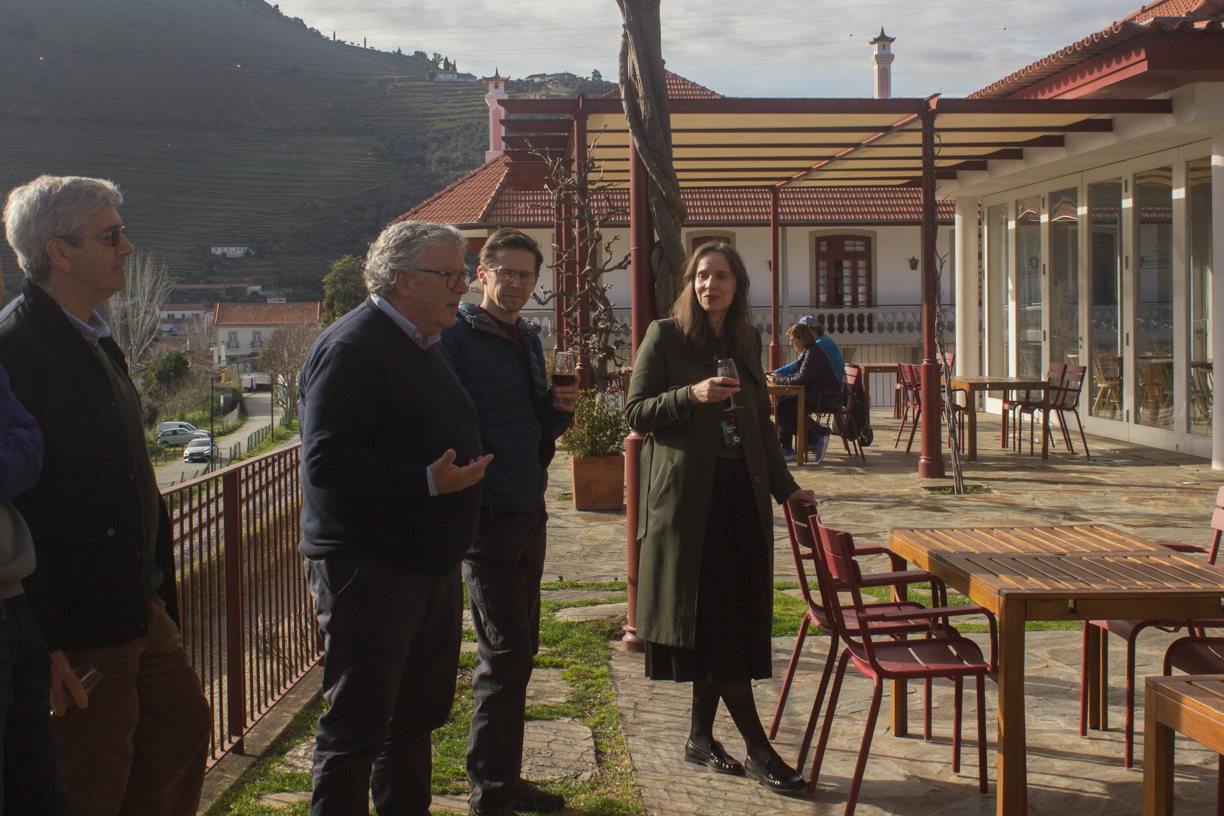
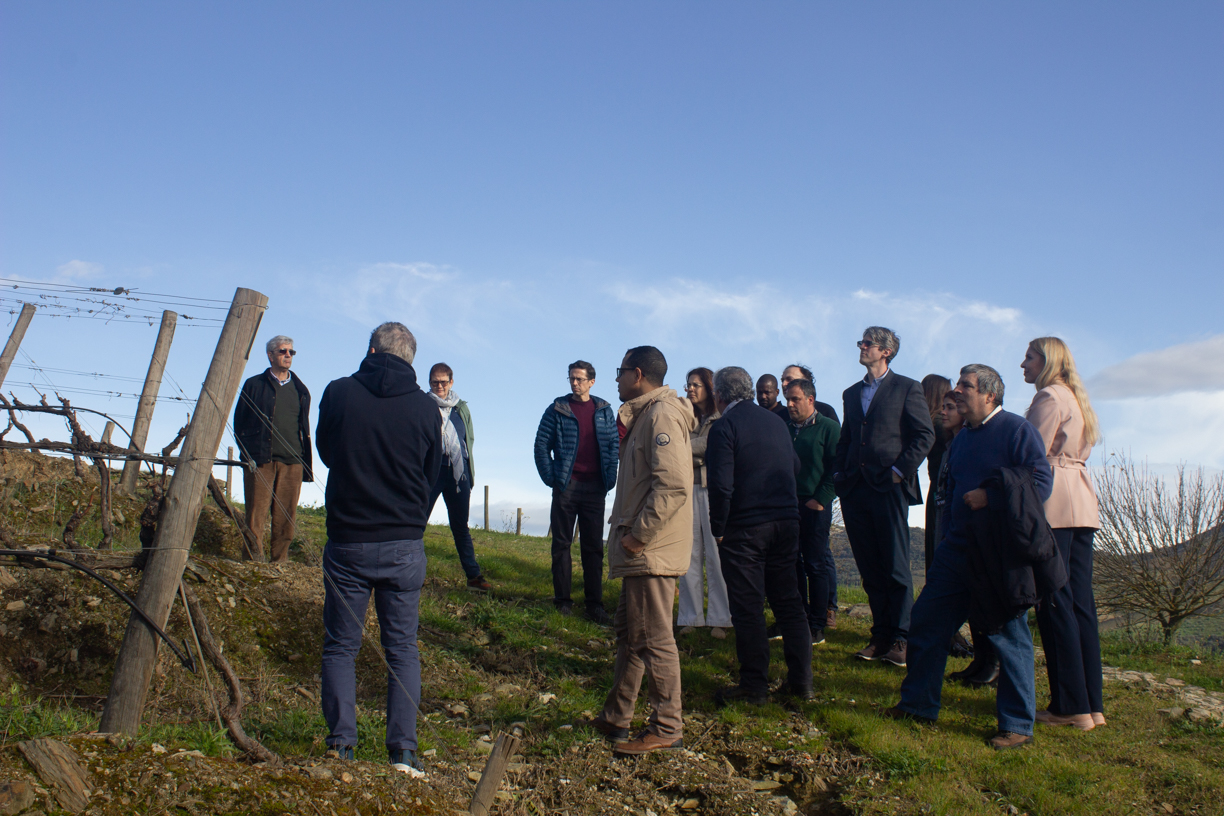
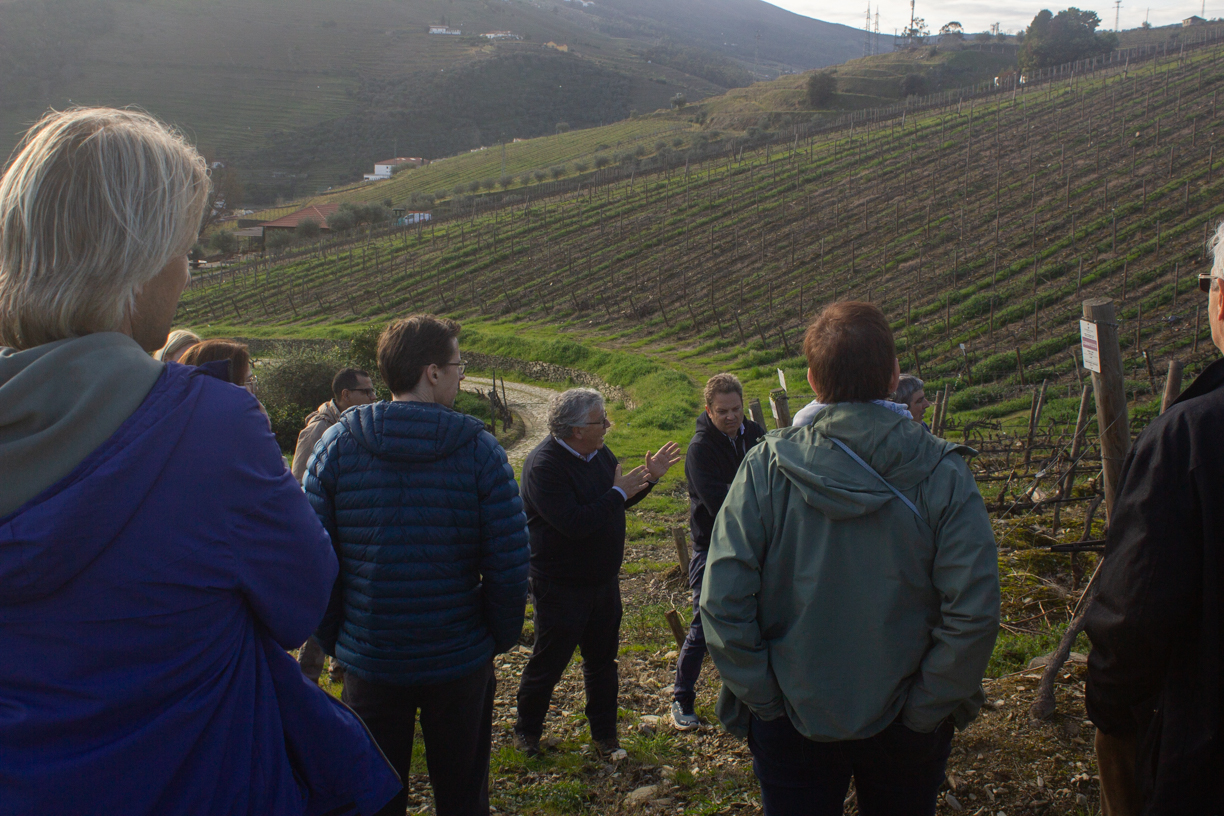
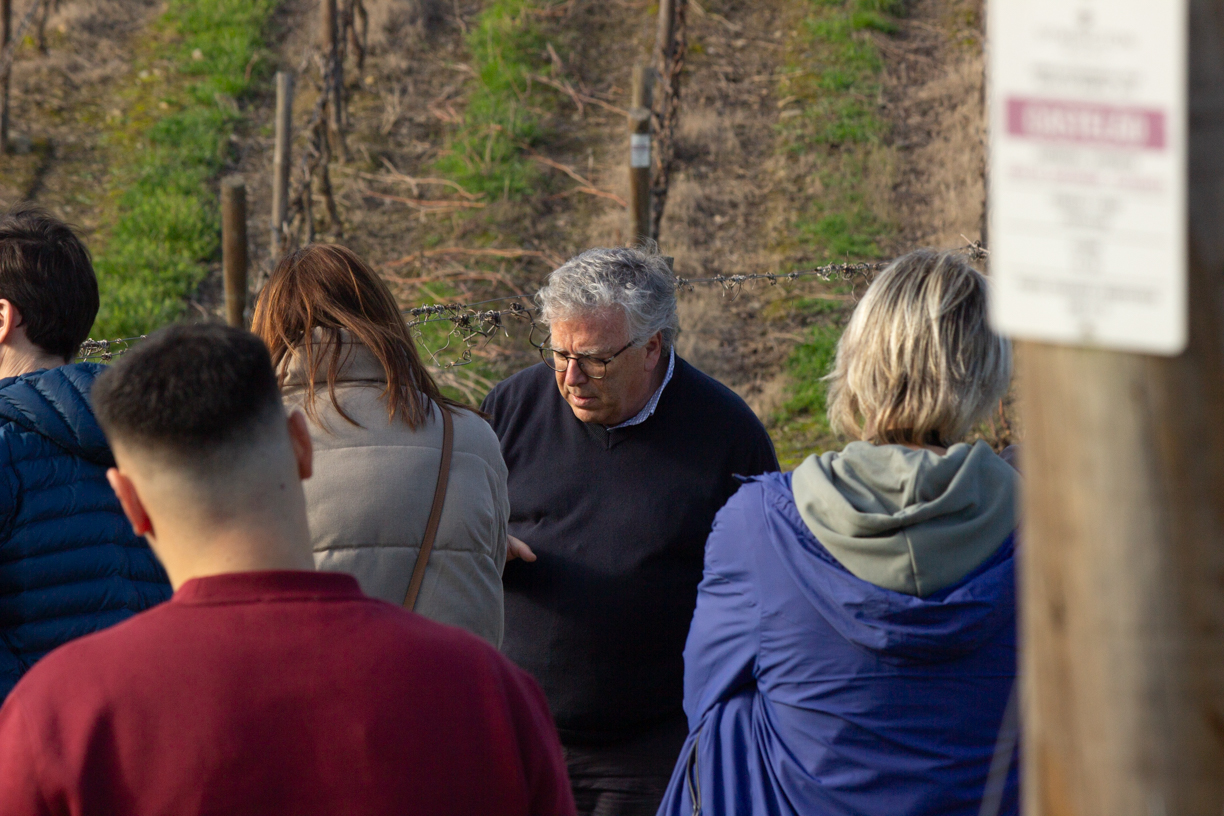
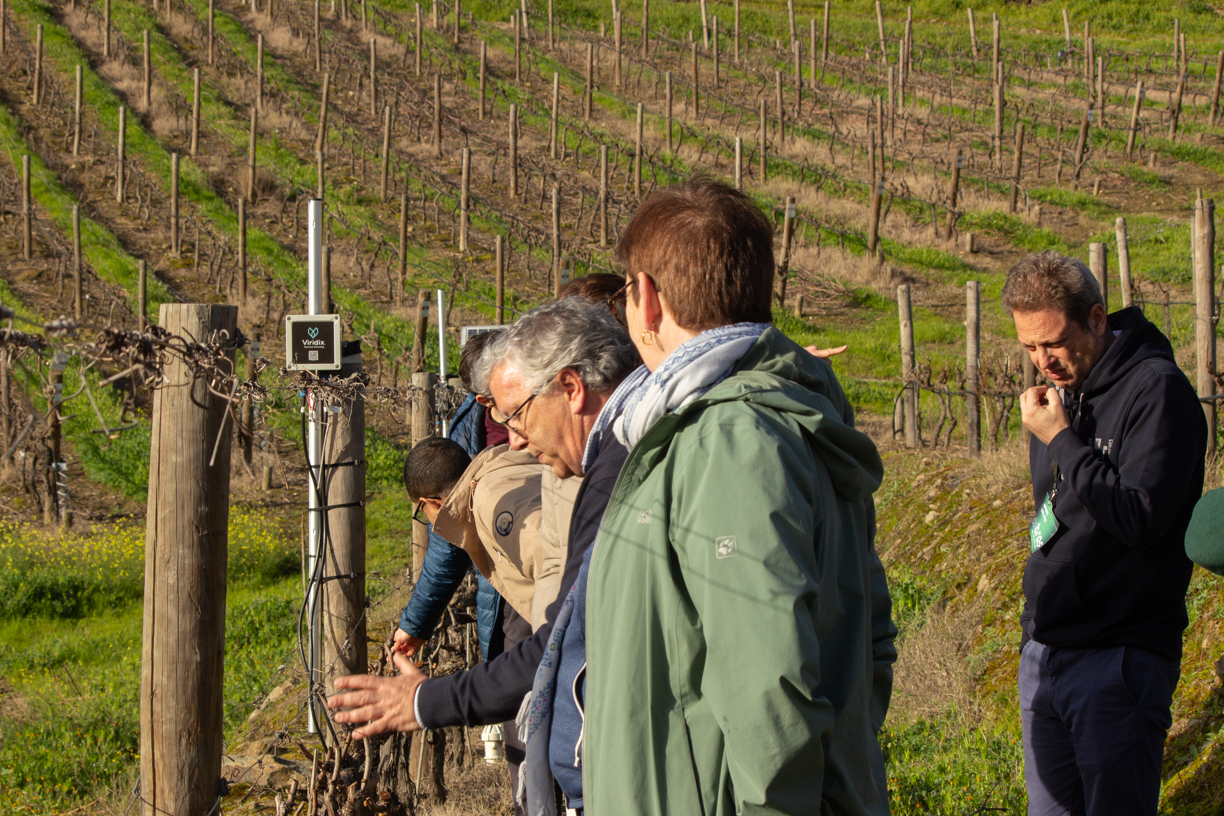
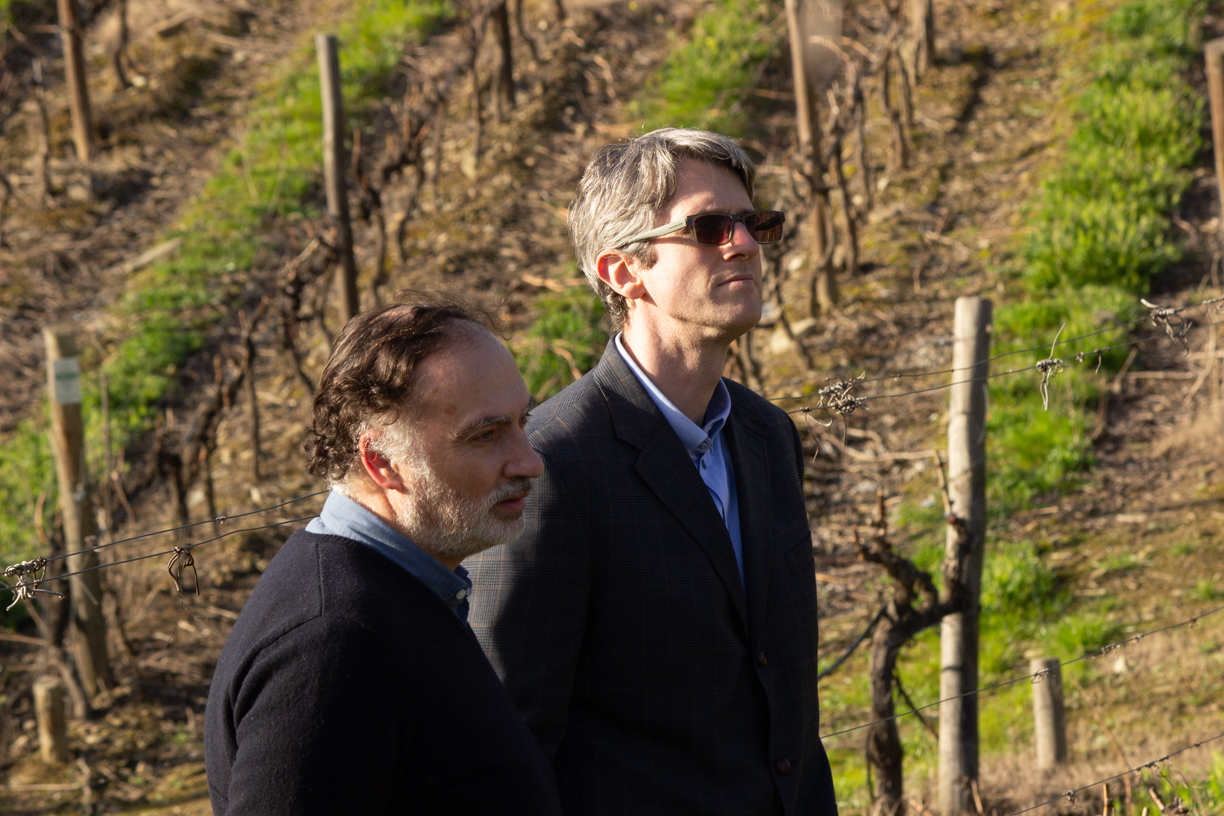
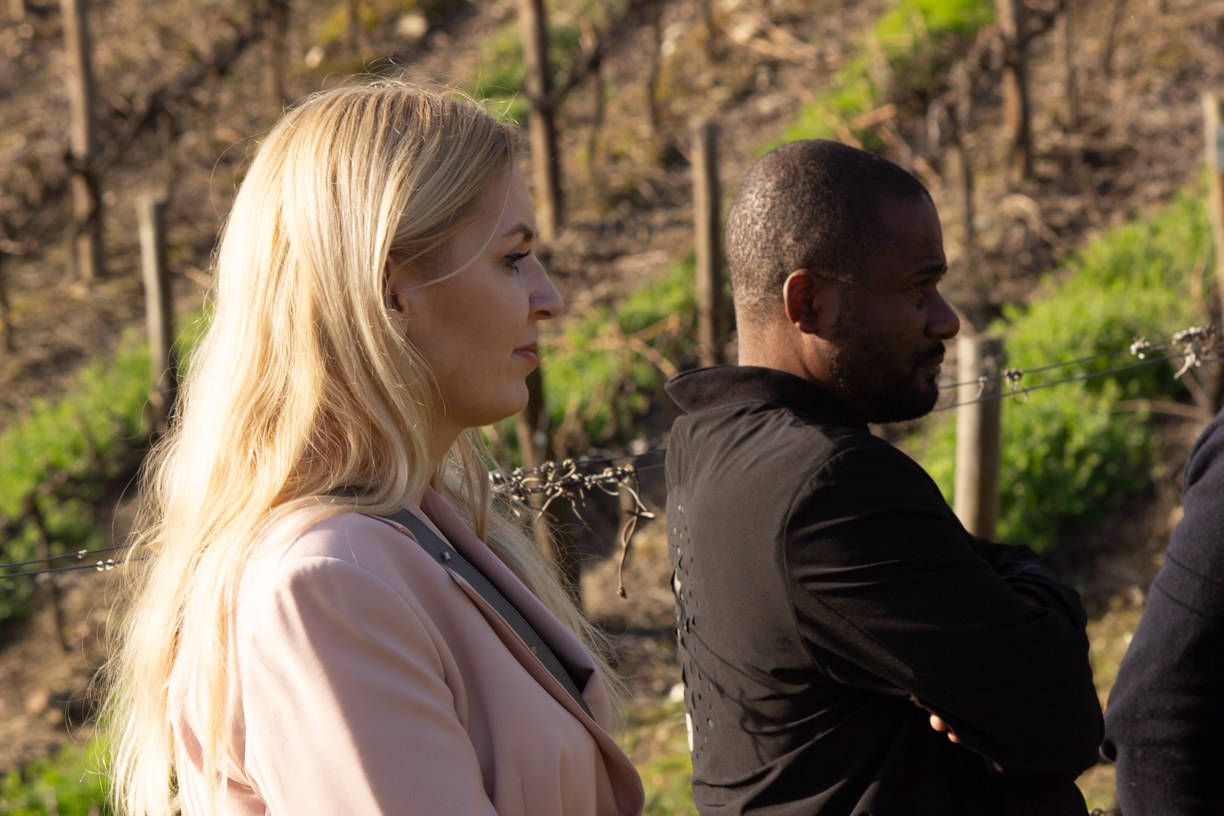
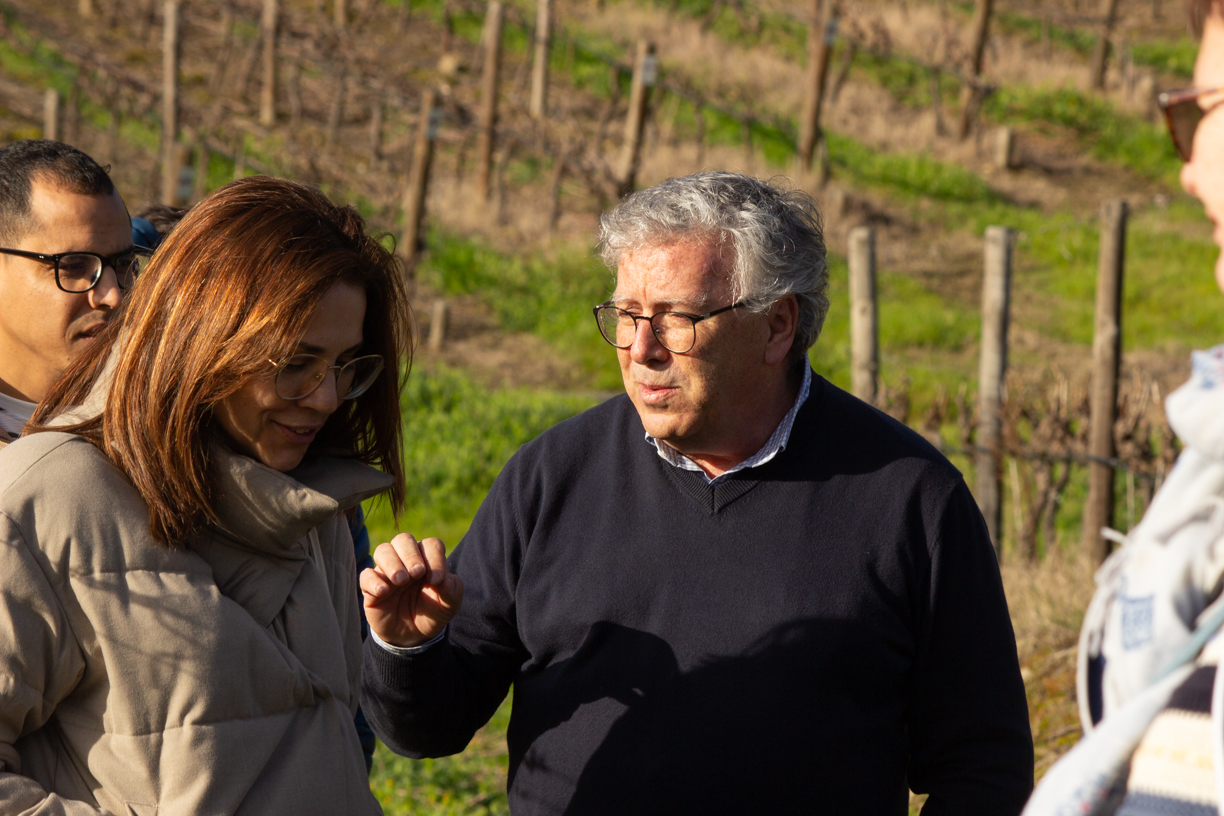
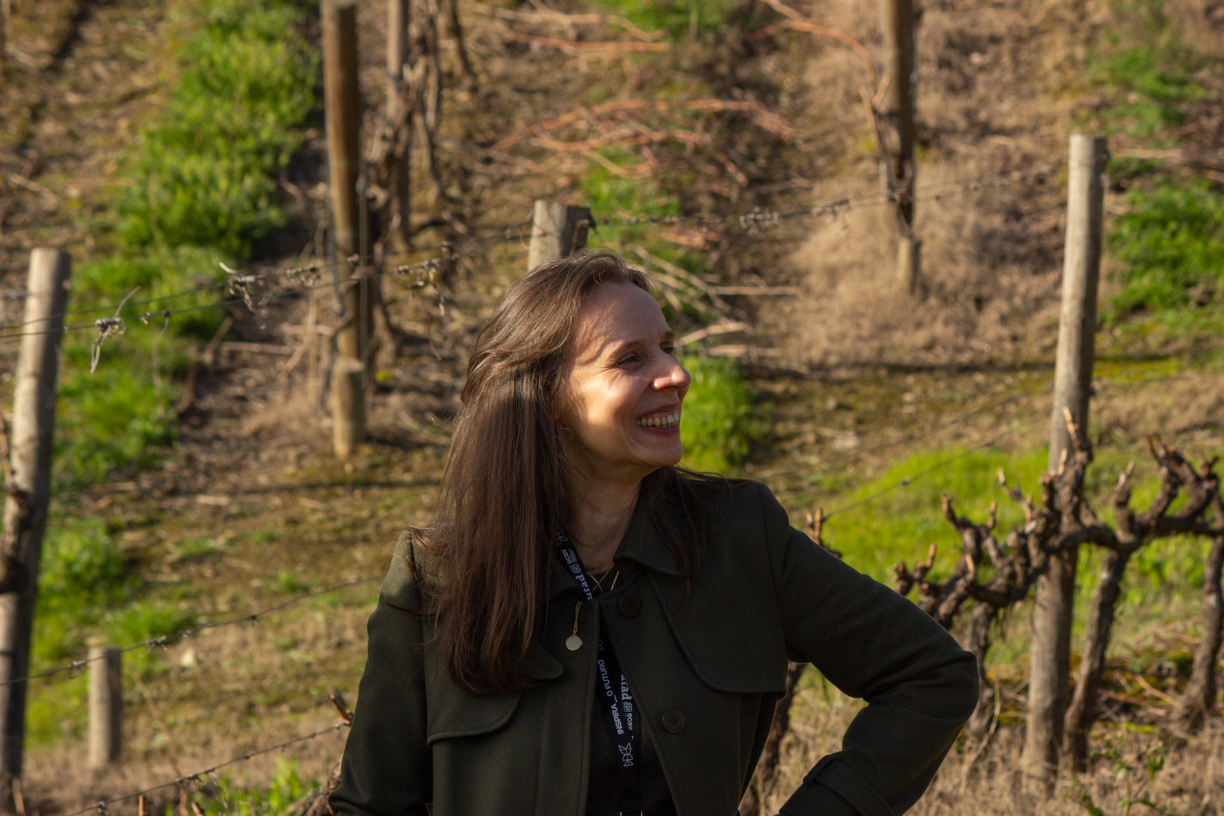
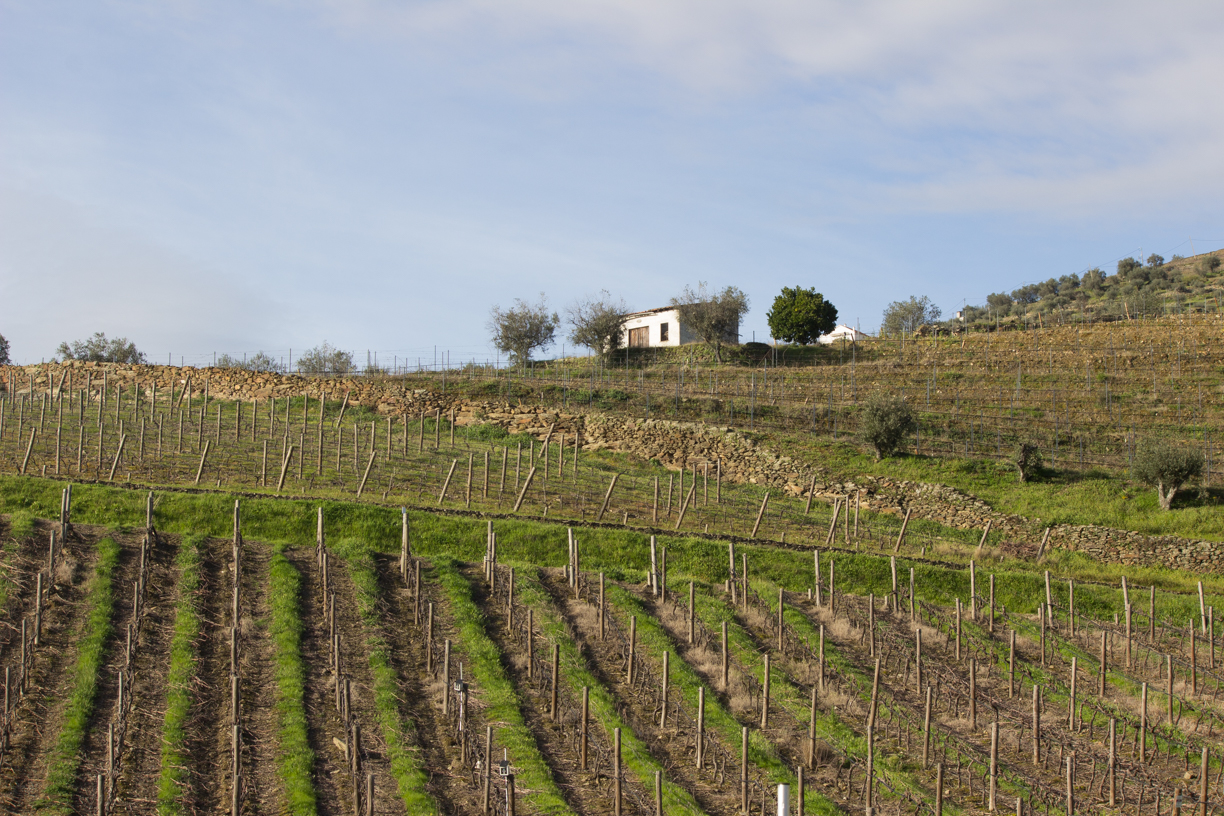
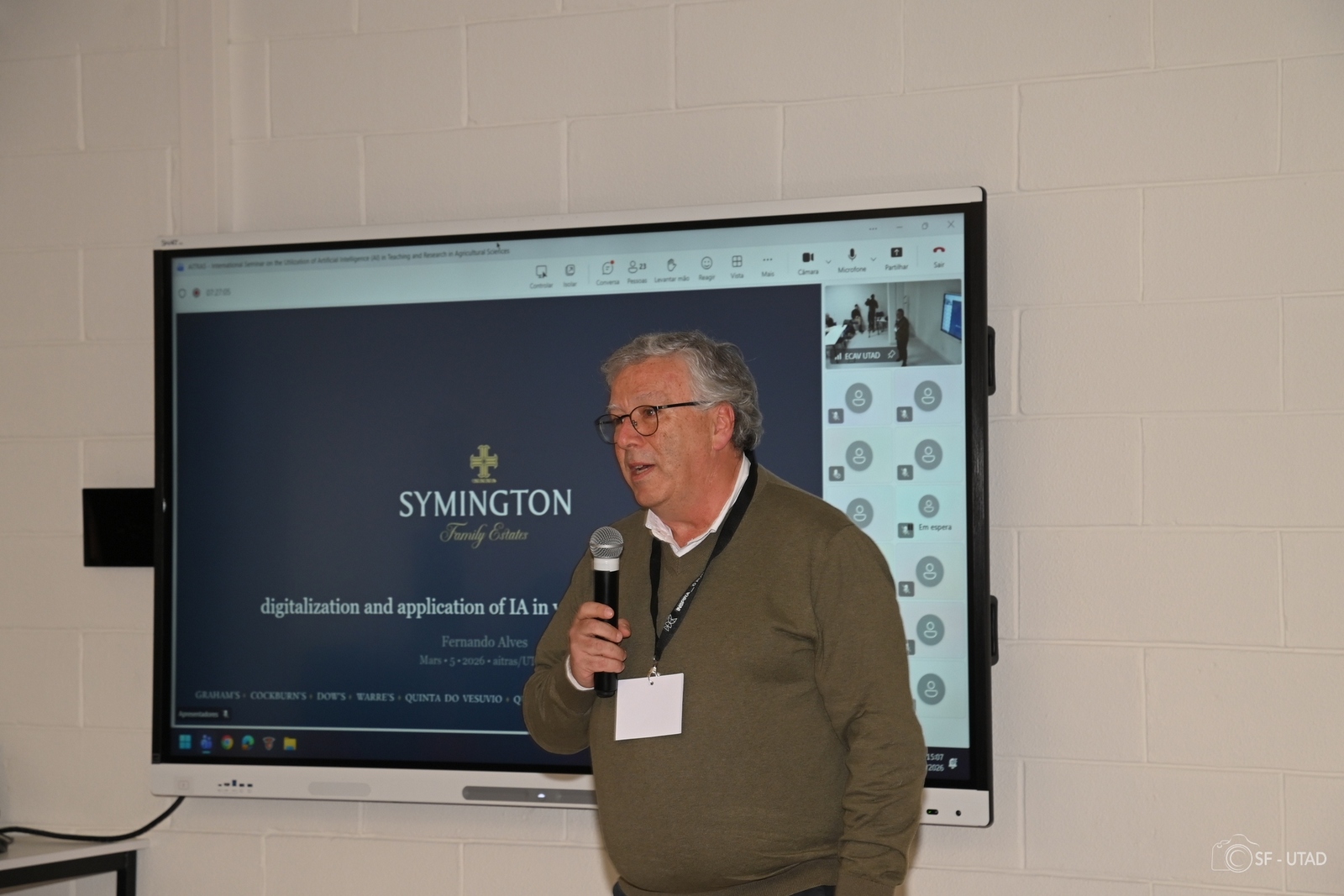
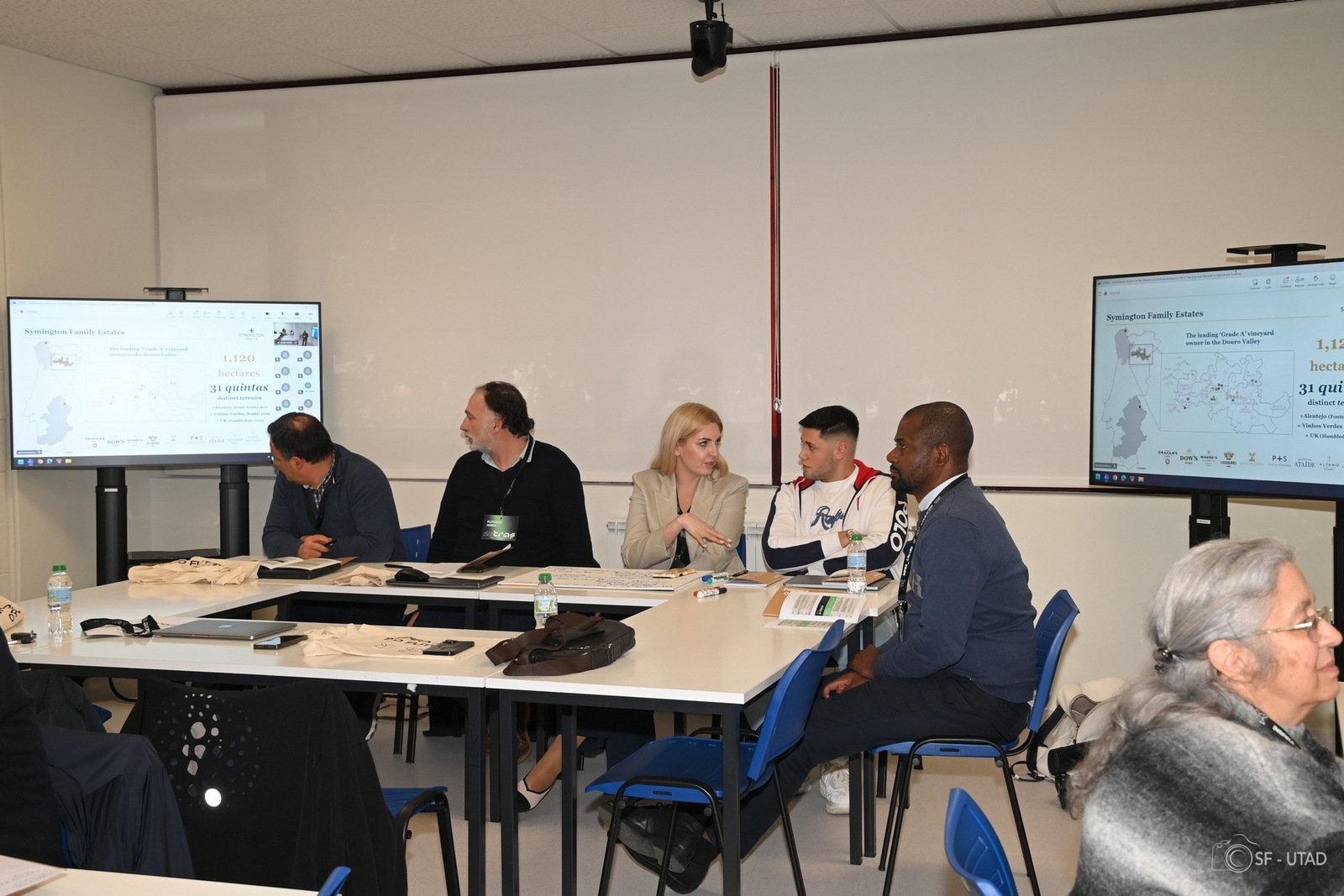
Enhanced Production Efficiency: Symington Family Estates, a renowned winery in Portugal’s Douro Valley, utilizes AI-powered systems to analyse weather data, soil moisture, and vine health. This data-driven approach enables them to optimize vineyard management, resulting in increased grape yield and improved wine quality.
Where are we meeting?
University of Trás-os-Montes e Alto Douro
Faculty of Agrarian and Veterinarian Sciences
Agro@TecVerde Center ( N1.75)
Edifício de Ciências Agrárias – ECAV Pólo I
Quinta de Prados 5000-801 Vila Real
In Focus: The Event