Meet the team AITRAS
The Speakers
5th March
Session 1
Current framework of AI utilization in higher education

Davinia Hernández-Leo
CV
Davinia Hernández Leo, Professor in the Department of Engineering at Pompeu Fabra University, Serra Húnter Fellow and ICREA Academia Awardee (2019, 2024). Her research is mainly developed in the interdisciplinary field of Technologies for Education and Collaboration. She is the head of the Interactive and Distributed Technologies for Education group (TIDE, https://www.upf.edu/es/web/tide) Previously, she has held positions such as Vice-President of the European Association in Technology-Enhanced Learning, Head of Innovation and Teaching Quality at the School of Engineering, and Commissioner associated to the Vicerector for educational transformation at UPF. She is currently Academic Coordinator of the Department of Engineering and of the Master’s Program in Cognitive Systems and Interactive Media. One of her research lines is centered in responsible applications of artificial intelligence and data analytics in teaching and learning.

David Smith
CV
National Teaching Fellow and Principal Fellow of AdvanceHE with over 20 years’ experience in higher education leadership. I have a proven track record of delivering transformational impact on student experience, learning and teaching strategies, and staff development at both institutional and sector levels. My work has directly influenced TEF outcomes, curriculum innovation, and inclusivity, while my international profile as a scholar of education and bioscience has established me as a recognised leader in digital pedagogy, assessment reform, and generative AI in higher education.
Current Roles:
Head of Research, School of Bioscience & Chemistry, Sheffield Hallam University (2023–present). My Professorial standing is on the Teaching/Scholarship pathway, demonstrated by my PFHEA (2024) and NTF (2017) status.
Sector Leadership Roles
- Trustee & Chair, Biochemical Society Education & Training Committee (2024–).
- Lead, UK-wide Bioscience Educators Network (HUBS/RSB) (2022–2024).
- Co-founder, #DryLabsRealScience network – 16 events, 900+ participants, featured in The Biologist, Lab News, AdvanceHE.
Awards and Recognition
- Principal Fellow of AdvanceHE (PR271142) (2024).
- Pearson HE Innovate Award shortlist (2022).
- RSB HE Teacher of the Year (2019).
- National Teaching Fellow (2017).
- Multiple SHU Inspirational Teaching Awards (2012–23).
Pedagogical and Scholarship Research Outputs
- Smith, D. et al. (2025). Embedding Generative AI as a digital capability into a year-long skills programme. Journal of University Teaching and Learning Practice.
- Francis, N. & Smith, D. (2025). Generative AI in higher education: Balancing innovation and integrity. British Journal of Biomedical Science, 81, 14048.
- Smith, D. (2018). Student engagement in bioscience lectures: evidence-based approaches to improving learning. Journal of Biological Education (Altmetric 209, top 5% of outputs).
- Bassindale, T. & Smith, D. (2021). Laboratory simulations for bioscience teaching. Biochemistry and Molecular Biology Education.
- Complete list of pedagogical outputs
Research and Scholarship (Disciplinary)
Lead for research initiatives, overseeing the development of specific research strands, engaging in commercial activities, and integrating research into teaching. 70 Outputs, h-index 30, Average citations per item 64. REF returnable in unit 5 in 2014 and 2021, all outputs rated ≥2.5*.
ORCiD: 0000-0001-5177-8574

Mieke Uyttendaele
CV
Prof. Mieke Uyttendaele has a diploma of Bio-Science Engineering (1992) and PhD in Applied Biological Sciences (1996) from the Faculty of Bio-Science Engineering, Ghent University, Belgium. She continued to work as a postdoc with a funding from the Belgian National Fund of Scientific Research (current FWO-Flanders) at Ghent University. Since October 2004 she was appointed as Associate Professor and since October 2014 Full Professor at Ghent University with tasks both in university education, research and scientific services and outreach.
From 2014 to 2018 she was the chair of the Program Committee of the Master in Bio-Science Engineering: Food Science & Nutrition. From 2018 to 2020 she was Head of the Dept of Food Technology, Food Safety & Health at UGent. From 2020 to 2025 she served as the Faculty Director of Studies and Internationalization (and was Head of the Faculty Office of Educational Support) and as such also is member of the Faculty Management Board Team and Faculty Council of the Faculty of Bio-Science Engineering.
Since 2020 she has been member, and since 2025 she chairs the ica-edu-committee, with an interest in the theme of implications of generative AI in life sciences higher education, engagement of students via challenge-based learning and incorporating global citizenship in program curricula.
Since 2004 Prof. Uyttendaele (being responsible for aspects on food safety) leads The Reseach Unit Food Microbiology and Food Preservation (FMFP) -part of the Department of Food Technology, Food Safety and Public Health at UGent – together with Prof. Devlieghere (responsible for food microbiology/preservation).
Throughout her career Prof. Uyttendaele, has published more than 300 peer reviewed scientific papers (h-index 62) mainly dealing with Campylobacter, Listeria monocytogenes, Salmonella, Bacillus cereus and Norovirus in both products from animal and non-animal origin relating to detection methods, prevalence studies, control measures and risk assessment. She is also main author of the FMFP-UGent book on microbiological guidelines: www.diekeure.be/nl-be/professional/8831/microbiological-guidelines. Prof. Mieke Uyttendaele has built over twenty years of experience by executing, initiating and coordinating various projects in this research discipline. She was/is the promotor of ca. 30 PhD students (including EU and non-EU citizens). In the period 2010-2014 she was the coordinator of the EU FP7 Veg-i-Trade project into the “Impact of Climate Change and International Trade on Food Safety of Fresh Produce – governing a supply chain of uncompromised food sovereignty”. Present she is a WP leader in EU FoodSafeR project.
Session 2
Could AI be a powerfultool in the increasing complexity of modern agriculture research?

Maria José Sousa
CV
Maria José Sousa (PhD in Management, with Aggregation in Management and Public Management), is a lecturer and researcher at ISCTE/University Institute of Lisbon. She was Pro-Rector between March 2022 and January 2024, and a member of the scientific committee of the PhD “in Law and Economics” (Cycle XXXIX), Università degli Studi del Molise. Is a member of the Advisory Board of Banco Português de Fomento for Public Policies. She took a postdoctoral position from 2016-2018, researching the area of digital education, with several publications in journals with a high impact factor (Journal of Business Research, Journal of Grid Computing, Future Generation Computer Systems, and others). She worked as an expert in a European Commission project for the creation of a new category of digital skills to be integrated into the European Innovation Scoreboard (EIS). She was also a member of the Coordinating Committee of the PhD in Management at the European University, a Senior Researcher at the GEE (Strategy and Studies Office) of the Ministry of Economy Portuguese, responsible for Innovation, Research and Entrepreneurship Policies, and Knowledge and Skills Manager at AMA, IP, Agency for Administrative Modernization (Ministry of the Presidency and the Council of Ministers) and a Project Manager at the Ministry of Labor and Employment, responsible for Innovation Projects and Qualification Assessment and Development Projects. Her research interests are currently in the public policies of Innovation and Research. She is the co-author of more than 180 scientific articles and book chapters (European Planning Studies, Information Systems Frontiers, Systems Research, and Behavioral Science, Computational and Mathematical Organization Theory, and others). She is guest editor of more than 10 special editions of Elsevier and Springer. She was President of ISO/TC 260 – Human Resources Management, representing Portugal in ISO – International Organization for Standardization. She has coordinated several European innovation projects (funded by programs such as Erasmus+, Horizon Europe and ICMPD) and is also an External Expert of COST Association – European Cooperation in Science and Technology.

Fernando Alves
CV
Agricultural Engineering (BSc) graduate and holder of a post-graduate diploma in Plant Science-Viticulture, both from the UTAD – Vila Real. Worked at ADVID between 1987 and 2013, serving in several positions including Technical Director of Viticulture and Executive Director of the association with responsibility for the Douro Wine Cluster candidature. Since 2013, R&D Senior Manager for viticulture at Symington Family Estates, and later (2022) Head of R&D. Main areas of interest and research include climate, grapevine physiology, water stress, steep-slope and sustainable viticulture. Also cooperates with the OIV as a Delegate at the SUSTAIN Group. Participates in several national and European projects, with several publications as author and co-author.
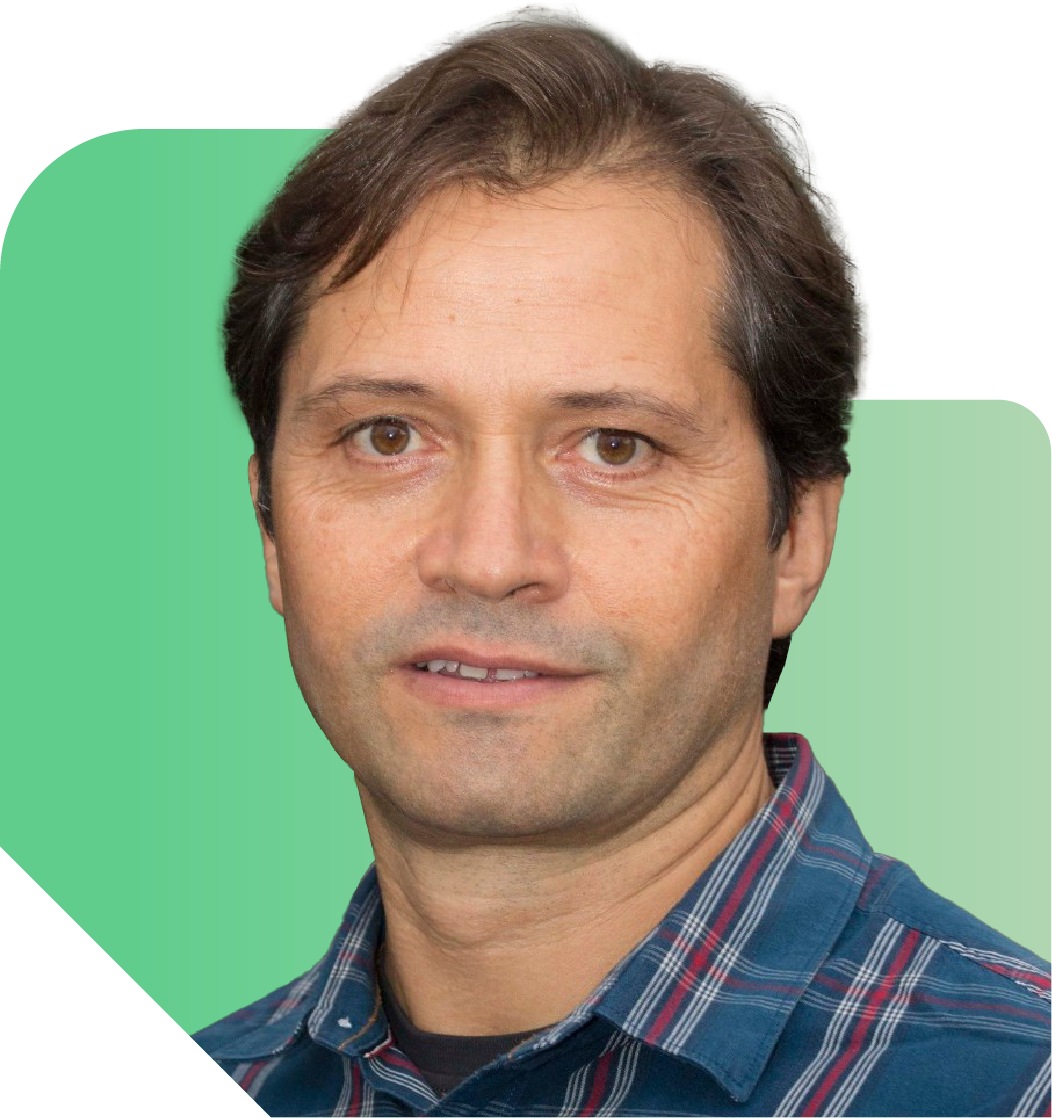
Joaquim João Moreira de Sousa
CV
Joaquim João Sousa is an Associate Professor with Habilitation at the University of Trás‑os‑Montes e Alto Douro (UTAD), where he also leads the PRISM Lab, dedicated to advanced geospatial intelligence, remote sensing, and AI‑driven solutions for agriculture and environmental monitoring. He is an integrated researcher at INESC TEC – CRIIS (Centre for Robotics in Industry and Intelligent Systems) and a collaborating researcher at CITAB, contributing to multidisciplinary research at the interface of Earth Observation, Agritech, and intelligent systems.
His scientific work spans satellite‑ and UAV‑based sensing (SAR/InSAR, multispectral, hyperspectral), Atificial Intelligence, digital twins, and decision‑support systems for Mediterranean agriculture. He has authored more than 200 scientific publications, and has accumulated over 4,300 citations (Scopus).
He has participated in – and often led – several national and international R&D projects exceeding €130M in total funding, including European, ESA and PRIMA initiatives. He has coordinated projects such as Soil O‑Live, DATI, REVEAL, PARRA, and RemotWatch, covering precision agriculture, water management, environmental monitoring, and satellite‑based geohazard assessment.
A committed educator with more than 25 years of teaching experience, he has created and taught dozens of courses across geospatial engineering, computer science, and multimedia technologies.
He is also active in the international scientific community, serving as editor/reviewer for top‑tier journals and acting as President of the Jury of the prestigious Francisco Coello International Award (2023, University of Jaén).

Said Benaissa
CV
Said Benaissa, PhD is a Senior Researcher at ILVO (Flanders Research Institute for Agriculture, Fisheries and Food), Belgium. He holds an interdisciplinary PhD in Electrical Engineering and Applied Biological Sciences from Ghent University, awarded in 2019. His academic background combines engineering, data science, and animal sciences, with a strong focus on developing practical digital solutions for agriculture.
His research focuses on Precision Livestock Farming, particularly the use of remote sensing, computer vision, wearable sensors, and artificial intelligence to monitor livestock behaviour, health, and welfare. He has authored and co-authored more than 35 peer-reviewed journal and conference publications. His work is regularly presented at international scientific conferences and workshops (ECPLF, EAAP, CIGR, etc.).
At ILVO, he is actively involved in national and European research projects, including Horizon Europe initiatives, addressing digitalisation, sustainability, and data-driven decision support in livestock and agricultural systems. His work emphasises real-world validation through on-farm experiments, interdisciplinary collaboration, and the translation of advanced AI and sensing technologies into robust tools for practical use in animal production and food systems.
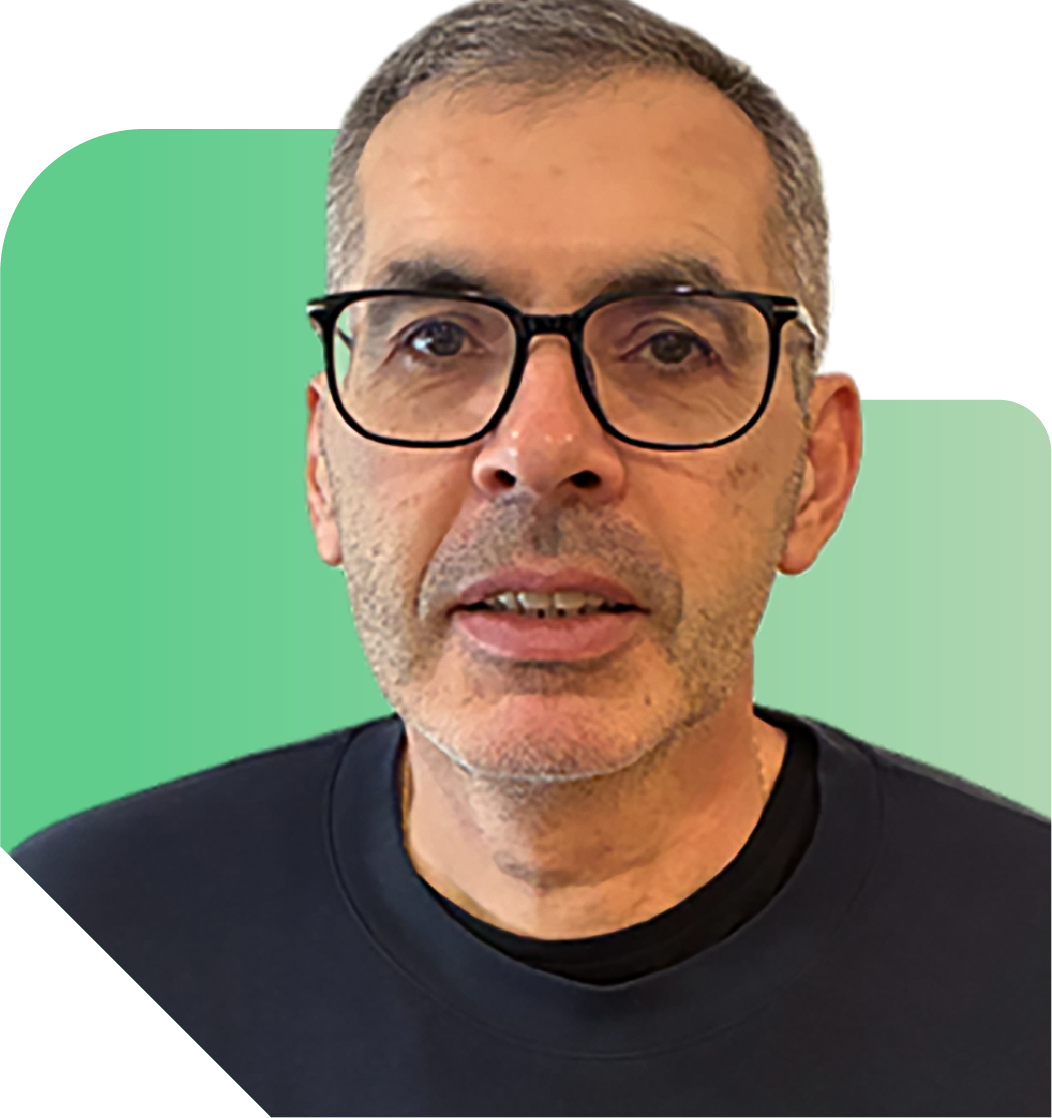
Mário Ginja
CV
Assistant Professor at University of Trás-os-Montes and Alto Douro (UTAD) in the Department of Veterinary Sciences responsible of Curricular Unity of Imaging Diagnosis of Integrated Master of Veterinary Medicine at UTAD; completed the title of Aggregate in 2012 (Theme: Hip Dysplasia in dogs: Diagnosis and Control) by the UTAD, PhD in Veterinary Science in 2006 (Theme: Imaging diagnosis of Canine Hip Dysplasia) by UTAD. Responsible for the Radiographic and Computed Tomography Services at the Veterinary Teaching Hospital of UTAD. Integrated member in the Animal and Veterinary Research Centre (CECAV) of UTAD, member of the Associate Laboratory for Animal and Veterinary Sciences (Al4AnimalS). Account about one hundred articles published in specialized veterinary journals. He is Associate Editor of Frontiers in Veterinary Science-Diagnostic Imaging and Veterinary Record Case Reports, 2 Scopus Journals, with the edition of more than 50 manuscripts. Official examiner of Canine Hip Dysplasia (CHD) in Portugal for APMVEAC/CPC (Associação Portuguesa de Médicos Veterinários Especialistas em Animais de Companhia/Portuguese Kennel Club) certification. PennHIP Full member Certification (Early Canine Hip Dysplasia Diagnosis). GRSK (Society for X-ray Diagnostics of Genetically Influenced Skeletal Diseases in Small Animals) – Full member Certification for Hip and Elbow dog dysplasia scoring. FCI (Fédération Cynologique Internationale) expert for Hip and Elbow dog dysplasia scoring. Operates in the area Veterinary Sciences -General imaging and artificial intelligence in diagnosis techniques in Veterinary Medicine: radiography, ultrasonography, tomography and magnetic resonance imaging; With special interest in the area of non-traumatic orthopaedic diseases that affect the veterinary species.
ORCID iD: 0000-0002-0464-7771;
Scopus Author ID: 12042156300;
ResearcherID: J-6896-2013;
Ciência ID: 6512-734B-0248;
Loop profile: 131830; SciProfiles: 1824182.
6th March
Session 3
Ethical considerations and challenges derived from the utilization of AI in
Agricultural Sciences

Mark Ryan
CV
Dr. Mark Ryan, Senior Digital Ethics Researcher, Wageningen Social and Economic Research, Wageningen University and Research (WUR).
Mark Ryan is a philosopher interested in the social and ethical implications of technologies (in particular, artificial intelligence, robots, and data spaces). He works as a Senior Digital Ethics Researcher at Wageningen Social and Economic Research, where he works in interdisciplinary teams to evaluate challenges and opportunities of digital technologies for sustainability, their application in the agri-food sector, and their impact on humans and animals. In particular, they focus on the ethical, legal, and social aspects (ELSA) of AI in the agri-food sector. This research brings together his interests at the intersection of environmental and digital ethics through both theoretical and empirical research. He currently leads a work package on the business, governance, and ELSA aspects in the Common European Agricultural Data Space (CEADS).
PROFESSIONAL AFFILIATIONS
11/2024 – Present
Senior Digital Ethics Researcher – Wageningen Social and Economic Research – WUR – the Netherlands
08/2020 – 11/2024
Digital Ethics Researcher – Wageningen Social and Economic Research – WUR – the Netherlands
08/2019 – 07/2020
Postdoctoral Researcher – Philosophy Department – KTH Royal Institute of Technology – Sweden
05/2018 – 08/2019
Postdoctoral Researcher – Philosophy Department – The University of Twente – the Netherlands
FIVE RELEVANT PUBLICATIONS
Ryan, M., & Blok, V. (2026). Artificial Intelligence and Animal Farming: A Scenario of Drivers, Barriers, and Impacts in 2032. Agriculture and Human Values.
Ryan, M. (2024). We’re only human after all: a critique of human-centred AI. AI & SOCIETY, 1-17.
Ryan, M., Isakhanyan, G. and Tekinerdogan, B. (2023) An interdisciplinary approach to artificial intelligence in agriculture, NJAS: Impact in Agricultural and Life Sciences, 95(1), p. 2168568.
Ryan, M. (2022). The social and ethical impacts of artificial intelligence in agriculture: mapping the agricultural AI literature. AI & SOCIETY, 1-13.
Ryan, M., van der Burg, S., & Bogaardt, M.J. (2021). Identifying key ethical debates for autonomous robots in agri-food: a research agenda. AI and Ethics, 1-15.
FUNDING AWARDS
04/2025
Common European Agricultural Data Space project – Horizon Europe
10/2022
AgriDataSpace project – Horizon Europe
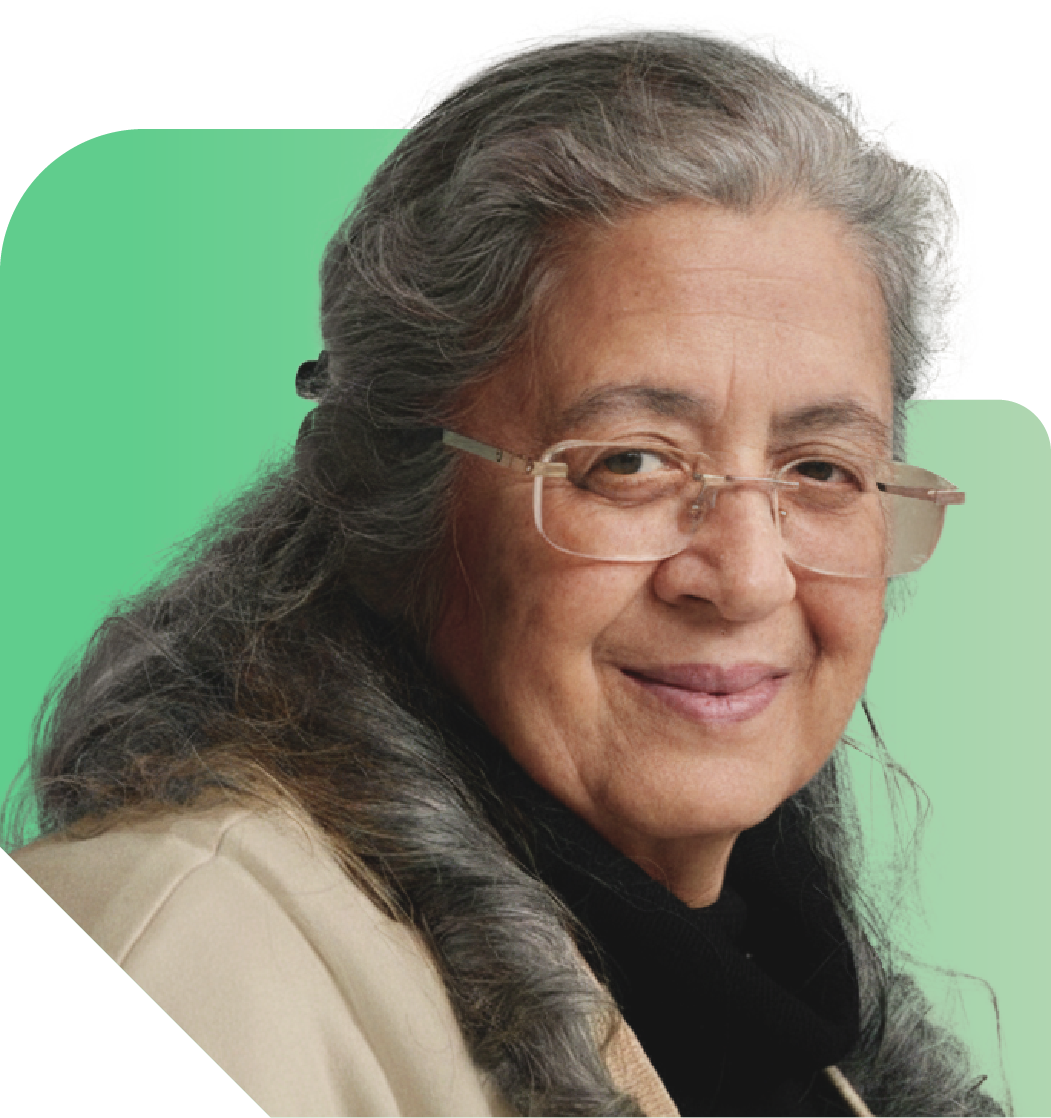
Rita Payan
CV
Rita Payan-Carreira é docente e investigadora no ensino superior, com um perfil científico consolidado nas ciências da vida e da saúde. Desenvolve investigação fundamental e aplicada, articulando produção científica, supervisão académica e colaboração interdisciplinar, com particular incidência nas áreas biomédicas e da saúde animal. Mantém um forte compromisso com a qualidade da formação avançada e com a divulgação científica junto da comunidade académica e profissional.
Em paralelo, tem vindo a dedicar especial atenção ao desenvolvimento do pensamento crítico e do raciocínio clínico em contexto académico. É membro da Rede de Pensamento Crítico Crithinknet, participando em iniciativas de reflexão e investigação sobre metodologias que promovam competências analíticas, argumentativas e decisórias no ensino superior. Nos últimos anos, tem integrado de forma sistemática a inteligência artificial nas suas atividades de investigação e docência. O uso ético, crítico e responsável da IA constitui um eixo estruturante da sua abordagem, quer na investigação quer no ensino.